Inquiry
Form loading...

Top 10 Perforated Plate Steel Suppliers Worldwide

Choosing a Perforated Plate Steel supplier involves more than comparing prices. Buyers must match plate thickness, hole diameter, spacing, open area, and material grade to the intended application. A screen for ventilation, for example, may need different airflow and strength characteristics than a protective panel or filtration component. Small details matter.

This guide introduces ten suppliers serving markets worldwide and offers a starting point for comparing their capabilities. It considers product range, customization, technical support, quality documentation, and delivery options. Availability and specifications can vary by location, order size, and production schedule, so confirm current details directly with each company. Ask for drawings or sample pieces when dimensions are critical. Check burrs, flatness, edge condition, and finish—not just the quoted sheet size.

No shortlist can capture every buyer’s needs. A supplier with broad capacity may not be the best fit for a small custom run, and published specifications do not always reveal how a plate performs after installation. That deserves a second look. Treat the companies featured here as candidates, not endorsements, and compare their responses against your project requirements. Clear technical questions and verified documentation can make the final choice more dependable.
Top 10 Perforated Plate Steel Suppliers Worldwide

What Perforated Plate Steel Is and How It Is Made

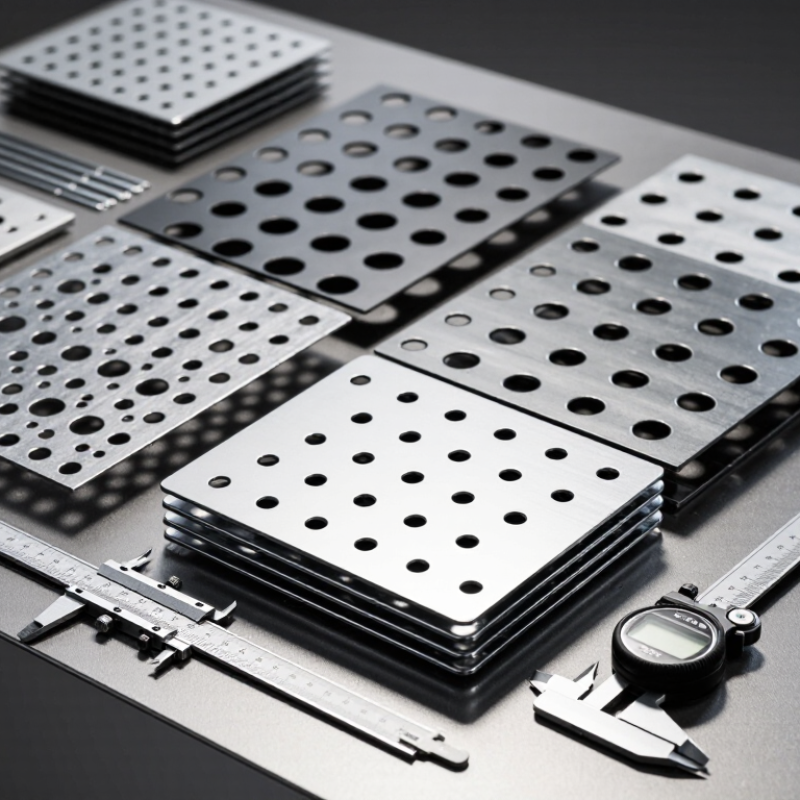
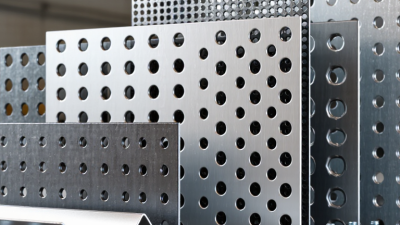
Perforated plate steel is sheet or plate with repeated openings formed across its surface. Holes may be round, slotted, square, or custom-shaped, arranged in straight rows or staggered patterns. The remaining metal carries load, while openings reduce weight and allow air, light, liquid, or sound to pass. It is not expanded metal; its openings are punched or cut rather than stretched from the sheet.

Production starts with a specified steel grade, thickness, hole size, pitch, and open area. For standard patterns, a press with matched tooling punches many holes quickly. Laser cutting suits prototypes or unusual layouts, though it can cost more per part. Large runs may use rotary equipment.

The sheet is then flattened, trimmed, and checked for dimensions, burrs, and pattern alignment. Small deviations happen. They matter when plates must fit frames or align across a long screen.

Finishing may include deburring, painting, or galvanizing, depending on exposure and service needs. A coating does not remove the need to check cut edges and drainage details.

Buyers should compare actual open area, not just hole diameter; pitch affects airflow and stiffness. There is a trade-off. More openings improve passage but leave less metal to resist bending. Sample inspection is useful because a drawing alone rarely reveals every edge or handling issue.
Key Grades, Hole Patterns, and Performance Specifications

Perforated plate selection starts with the service environment, not the hole shape. Carbon steel suits dry, cost-sensitive structures, while 304 stainless steel handles many indoor wet or washdown settings. For chloride exposure, 316 often offers better resistance, though crevices and surface contamination still matter. Aluminum reduces weight, but its stiffness and wear behavior differ from steel. Small distinctions matter.

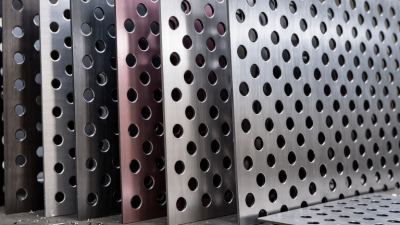
Common patterns include round holes on staggered centers, square openings, and elongated slots. Staggered round layouts can provide high open area; straight rows may simplify alignment with airflow or screening. Compare hole diameter, pitch, plate thickness, and open-area percentage together. A 6 mm hole in a thin sheet behaves differently from the same hole in a thick plate. Ask for edge condition, burr direction, flatness, and dimensional tolerances. These are not minor details.

Performance data should match the actual duty: load span, vibration, temperature, drainage, and expected cleaning method. Request material certificates and coating details, then verify sample dimensions before approving a production run. Galvanized carbon steel can protect outdoor panels, but cut edges and damaged coating deserve inspection. Supplier tables rarely capture every installation variable. Leave room for testing.

How to Evaluate Worldwide Perforated Steel Plate Suppliers

Evaluating worldwide perforated steel plate suppliers starts with the drawing, not the sales brochure. Specify the steel grade, sheet thickness, hole diameter, pitch, pattern, and required open area. These details affect airflow, weight, strength, and fit. Ask whether tolerances apply before or after finishing, since coatings can change dimensions. Small details matter.

Request material test reports and inspection records for the actual production batch. Check that the stated grade and thickness match your purchase specification. Ask how the supplier measures hole size and spacing, and whether it can provide sample plates for inspection. A neat sample helps, but it does not prove every production run will match. Ask for evidence. If a certificate needs verification, confirm its source where possible.

Production capability matters as much as documentation. Discuss sheet sizes, tooling limits, minimum order quantities, packaging, and realistic lead times. For international shipments, clarify how plates are protected from moisture, edge damage, and movement during transit. Compare written quotations line by line; a low price may exclude finishing, inspection, or export packing. Communication is also a practical test: vague answers about tolerances deserve follow-up. No checklist catches every mismatch, and buyers sometimes discover that a minor drawing note was overlooked. Record agreed specifications and inspection points before ordering.

Top 10 Perforated Plate Steel Suppliers Worldwide - How to Evaluate Worldwide Perforated Steel Plate Suppliers

Use this weighted scorecard to compare suppliers consistently. The weights are evaluation guidelines, not claims about any particular supplier. Request current documentation and verify that specifications match your application.

No. Evaluation Dimension Weight What to Verify Suggested Evidence Scoring Guide (0–5)
1 Material grade and traceability 15% Confirm the offered alloy, grade, and product form meet the purchase specification. Check that material can be traced to its heat or batch. Material test certificate, grade designation, heat or batch number, and traceability procedure. 0 = not documented; 5 = complete, verifiable records supplied for the quoted material.
2 Dimensional capability 12% Check the available sheet or plate size, thickness range, flatness requirements, and dimensional tolerances against the drawing. Capability statement, dimensional inspection report, and written confirmation against the drawing. 0 = key dimensions cannot be confirmed; 5 = all critical dimensions are confirmed in writing.
3 Perforation pattern and accuracy 12% Confirm hole shape, diameter or slot dimensions, pitch, pattern, open area, and edge margins. Ensure the pattern is specified unambiguously. Approved drawing, sample inspection results, and documented measurement method. 0 = pattern details are incomplete; 5 = pattern and tolerances are clearly documented and inspected.
4 Quality management and inspection 12% Review the supplier’s quality controls, inspection stages, handling of nonconforming products, and calibration practices. Current quality-system certificate, inspection plan, sample inspection report, and corrective-action process. 0 = no usable quality evidence; 5 = documented controls cover production through final inspection.
5 Production capacity and lead time 10% Assess whether the supplier can meet order quantity, delivery schedule, and repeat-order requirements. Confirm quoted lead time and its assumptions. Written production schedule, capacity confirmation, and delivery terms for the requested quantity. 0 = schedule is unconfirmed; 5 = capacity and delivery dates are clearly committed and supported.
6 Fabrication and finishing options 9% Check whether required cutting, leveling, edge treatment, deburring, or surface finishing is available and included in the quotation. Process list, finish specification, sample photos or samples, and itemized quotation. 0 = required operations are unavailable or unclear; 5 = all requested operations are specified.
7 Compliance and product documentation 8% Identify applicable standards, regulatory requirements, and customer-specific documentation before placing the order. Declaration or compliance documents relevant to the order, certificates, and agreed inspection records. 0 = requirements are not addressed; 5 = all applicable documents are agreed before production.
8 Packaging and transport readiness 8% Evaluate protection against moisture, movement, and edge damage during handling and transport. Confirm packaging suits the shipping route. Packaging specification, loading plan, and written confirmation of shipment protection. 0 = packaging is unspecified; 5 = packaging and handling are matched to the shipment and product.
9 Communication and technical support 7% Assess response clarity, drawing review, specification questions, and the process for resolving technical or quality issues. Documented answers to technical questions, named contact role, and issue-escalation process. 0 = requirements receive unclear responses; 5 = timely, consistent, technically complete responses.
10 Total cost and commercial terms 7% Compare total delivered cost, payment terms, minimum order quantity, quotation validity, and any tooling, packing, or freight charges. Itemized quotation, stated trade and payment terms, and clearly identified additional charges. 0 = major costs or terms are missing; 5 = comparable, complete terms are provided in writing.
Total Weight 100% For a weighted result, score each dimension from 0 to 5, multiply by its weight, and add the results.

Ten Leading Perforated Plate Steel Suppliers Worldwide

Ten leading perforated plate steel suppliers worldwide should be compared by capability, not catalogue size alone. Some focus on stocked sheets, while others punch or laser-cut plates to order. Check whether a supplier can match your required steel grade, thickness, hole diameter, pitch, and open area. These details affect strength, airflow, weight, and fit. Ask for a drawing review before production.

Reliable suppliers provide clear dimensional tolerances, material documentation, and realistic lead times. Look closely at edge condition, flatness, and finish; a plate can meet its nominal size yet still need extra work. Regional stock and shipping options matter too, especially for oversized sheets. A polished product page is not proof of consistent quality. I would still request a sample, because small burrs can be easy to miss in photographs.

Tips: Send a dimensioned drawing and intended use. Confirm hole pattern, cut edges, coating, packaging, and inspection records in writing. Compare like with like. A low quote may exclude finishing or freight, and I have seen that detail overlooked. Ask how changes are handled before approving the order.

Comparing Supplier Capabilities, Applications, and Service Coverage

Comparing perforated plate steel suppliers starts with capability, not catalog size. Check available sheet thicknesses, hole shapes, pitch, and open-area options. These details affect airflow, screening efficiency, weight, and stiffness. Ask how edge burrs are controlled and whether cut edges receive finishing. Small samples help. A clean drawing is useful, but it cannot replace inspection of the actual plate.

Applications reveal where suppliers differ. A ventilation panel may need consistent openings and a tidy surface; an industrial screen may prioritize wear resistance and a robust support pattern. For outdoor use, confirm the steel grade and finish suit the exposure. Suppliers also vary in service coverage: some hold common sizes in stock, while others focus on made-to-order panels, cutting, or drawing review. Packaging matters too. Bent corners can turn a correct order into wasted installation time.

Compare written tolerances, inspection records, sample availability, lead times, and delivery options before choosing. I would not rank a supplier by brochure claims alone. Request a quotation against the same drawing, including material grade and edge requirements. One detail is easy to miss: a supplier may offer many patterns but limited thickness choices. That can force a design change, and sometimes the buyer’s original specification needs another look.