China Top Metal Sheet With Holes Manufacturers?
Choosing a reliable China-based manufacturer for Metal Sheet With Holes involves more than comparing prices. Buyers need to match the sheet’s material, thickness, hole pattern, and finish to its intended use. A ventilation panel, machine guard, and decorative screen may look similar in a catalog, yet require different performance. Small details matter. Hole diameter, spacing, open area, and edge quality can affect airflow, strength, fit, and appearance.
This guide explores how to assess manufacturers and prepare useful questions before requesting a quotation. Ask whether a supplier can work from drawings, provide samples, and explain its inspection process. Request clear specifications for tolerances, burr control, surface treatment, and packaging. A close-up sample can reveal uneven holes or rough edges that a product photo may hide. So can a careful drawing review. These checks do not guarantee a perfect order, but they make comparisons more meaningful.
Manufacturer claims should be verified against the requirements of your project. Confirm available materials, production capacity, quality records, and expected lead times in writing. Where possible, review sample parts or inspection documents before approving a large order. No supplier is right for every job. A low quote may omit finishing or packing details, while a polished website may not answer practical questions. That sounds simple. It rarely is. The aim here is to help buyers compare options with care, recognize trade-offs, and choose a manufacturer whose documented capabilities suit the actual application.
How Perforated Metal Sheets Are Defined and Classified
How Perforated Metal Sheets Are Defined and Classified
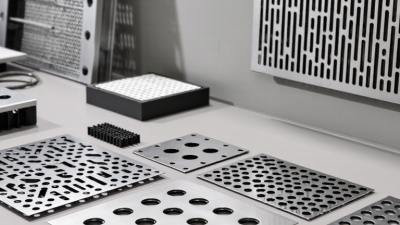
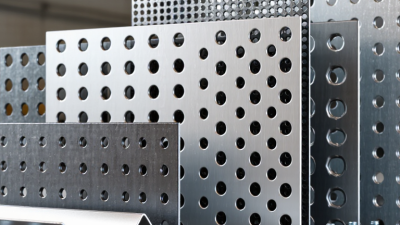
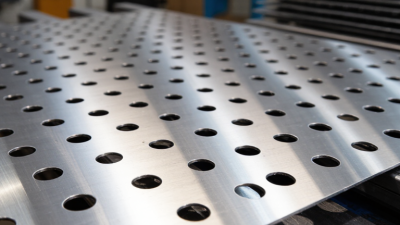
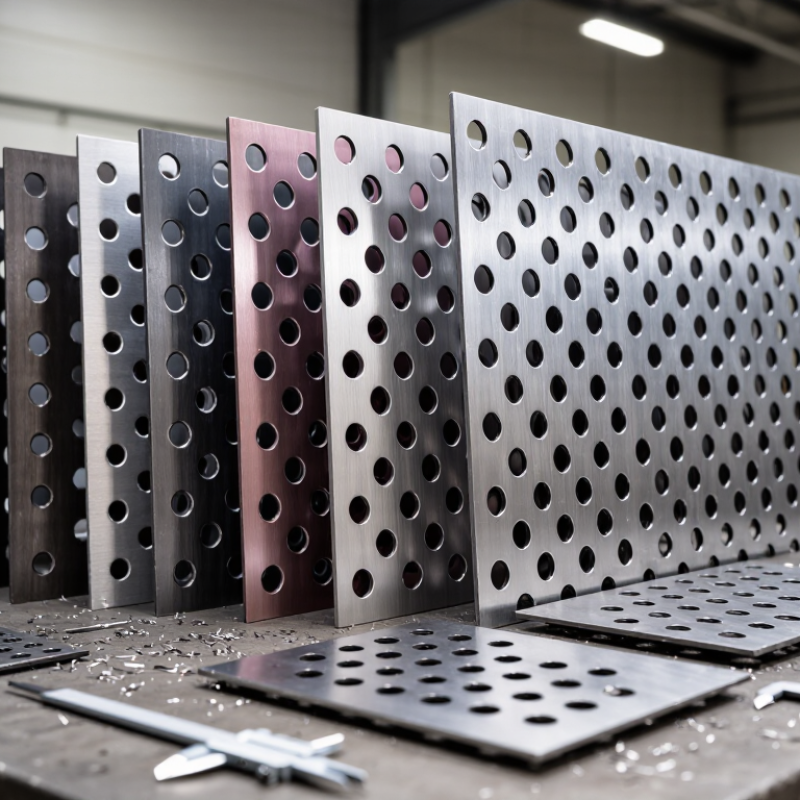
A perforated metal sheet is a flat panel with openings made by punching, drilling, or laser cutting. The openings may be round, square, slotted, or decorative. Their shape and arrangement affect airflow, drainage, light transmission, and appearance. Small round holes, for example, can create a fine screen, while larger slots allow more air through. That detail matters.
Sheets are commonly classified by hole shape, pattern, material, thickness, and open area. Patterns may be staggered or straight-line; staggered rows can distribute openings across the panel differently. Open area describes how much of the sheet is occupied by holes, and it influences weight, strength, and flow. Common materials include stainless steel, aluminum, and carbon steel, each suited to different environments. Perforated sheet is not the same as expanded metal: one has separately formed openings, while the other is stretched from a slit sheet. In practice, drawings and supplier terminology can vary, so specifications deserve a careful check.
Tips: Confirm hole diameter, pitch, sheet thickness, and open area together. Ask for a sample when finish or edge quality matters. A pattern that looks right on screen may feel too open in hand.
Perforated Metal Sheet Patterns: Calculated Open Area
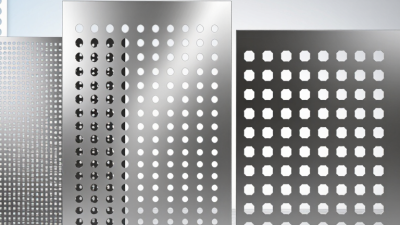
Perforated sheets are commonly classified by aperture shape and arrangement. This chart compares illustrative layouts using stated dimensions; open-area percentages are calculated geometrically and are not manufacturer specifications.
Example dimensions: round holes, 5 mm diameter on 8 mm pitch; square holes, 5 mm side on 8 mm pitch; rectangular openings, 3 × 10 mm on 5 × 12 mm pitch. Round-hole values use straight-row and 60-degree staggered arrangements, respectively. Actual open area depends on aperture dimensions, spacing, and layout.
Which Materials, Hole Patterns, and Finishes Are Common?
Material choice depends on load, exposure, weight, and cleaning needs. Mild steel suits sturdy screens and guards, but usually needs protective coating outdoors. Galvanized steel offers added corrosion resistance. Stainless steel is useful in damp or frequently washed areas, while aluminum reduces weight and can be anodized. Small details matter. A sheet near salt spray may need a different specification than one used indoors.
Round holes are widely used for general screening and airflow. Slotted holes can guide drainage or create a directional appearance. Square and hexagonal openings provide different visual effects and open areas. Larger openings pass more air and light, but can reduce stiffness. Hole size, spacing, sheet thickness, and edge margins should be considered together. A pattern that looks balanced on paper may feel too open when installed.
Finishes include mill finish, galvanizing, powder coating, brushing, and anodizing for aluminum. Deburred edges help reduce sharp handling points, though cut edges may need extra protection. Not always. Ask for a sample with the intended thickness, pattern, and finish. Check it under the actual lighting, and inspect the back surface too. Finish consistency can vary, and that is worth discussing before production.
How Chinese Manufacturers Produce and Customize Perforated Sheets
Chinese manufacturers produce perforated sheets by matching metal grade, thickness, hole shape, and open area to the application. Common materials include stainless steel, aluminum, and carbon steel, each responding differently to forming and finishing. Engineers review drawings before selecting punching, laser cutting, or another suitable method.
Details matter.
Operators check sheet flatness and tooling alignment, since small shifts can distort hole rows near the edges.
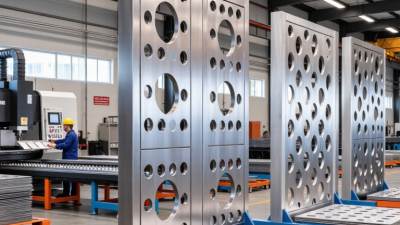
During punching, a press drives a matched tool through the sheet in a planned sequence. Hole diameter, pitch, and layout affect airflow, strength, and appearance. A 2 mm round hole in 1 mm sheet needs different settings from a wide slot in thicker plate. After cutting, workers deburr and level the panel, then apply requested finishes such as brushing or coating. Quality checks may include dimensional measurements, visual inspection, and sample fit tests.
Customization also means discussing limits early. Dense patterns can weaken a sheet, while narrow margins may curl during processing. A drawing alone may not show how a panel will be handled on site.
That is easy to overlook.
A first article or small trial batch can reveal fit and finish issues before larger production begins. Still, no process removes every variation; clear tolerances and practical inspection criteria help set reliable expectations.
How to Evaluate Leading Chinese Perforated Metal Sheet Manufacturers
Choosing a perforated metal sheet manufacturer requires more than comparing prices. Start with the details of your application: metal type, thickness, hole diameter, pitch, and open area. A reliable supplier should explain how these choices affect strength, airflow, and weight. Ask for tolerances in writing. Clear answers matter.
Request a sample made from the same material and process as your planned order. Check the hole edges for burrs, the sheet for flatness, and the pattern for consistent spacing. A ruler and a simple light test can reveal uneven openings. Small details matter. Also ask how the manufacturer checks dimensions, tracks material batches, and handles rejected pieces. Useful quality records are more convincing than broad claims.
Production capability deserves close attention. Confirm that the supplier can meet your required sheet size, finishing needs, and delivery schedule without relying on vague promises. Discuss packaging, too; exposed edges can be damaged during transport. Compare quotations line by line, including tooling, finishing, inspection, and freight. No supplier is perfect, and a polished sample cannot guarantee every production run. That is worth remembering. A practical evaluation combines documented specifications, sample inspection, and direct communication before you commit to a larger order.
Where Perforated Sheets Are Used and What Buyers Should Consider
Perforated sheets appear in HVAC screens, machine guards, acoustic panels, walkways, and food-processing equipment. Their openings let air, light, or liquid pass while the sheet still provides structure. The World Steel Association reported global crude steel production of 1,892 million tonnes in 2023 in its World Steel in Figures 2024 report. That figure describes the wider steel supply chain, not perforated-sheet demand. Still, it helps buyers understand why grade availability and mill origin can vary.
Small details matter. A 2 mm hole pattern may suit a filter, yet clog quickly in a dusty workshop.
Before requesting quotes, specify alloy, thickness, hole diameter, pitch, open area, sheet size, and edge condition. Ask whether the quoted dimensions refer to finished sheets or coil stock. For outdoor use, confirm corrosion resistance and coating compatibility; for guards, check stiffness and safe, burr-free edges.
A sample can reveal sharp rims, uneven spacing, or distortion that a drawing may miss. Buyers should also request tolerances, inspection records, and packaging details, especially when panels must align across a large façade.
One easy-to-miss issue is orientation: staggered patterns can look different when sheets are rotated. Compare suppliers on documented quality and repeatability, not price alone.
The cheapest quote may leave the most rework.