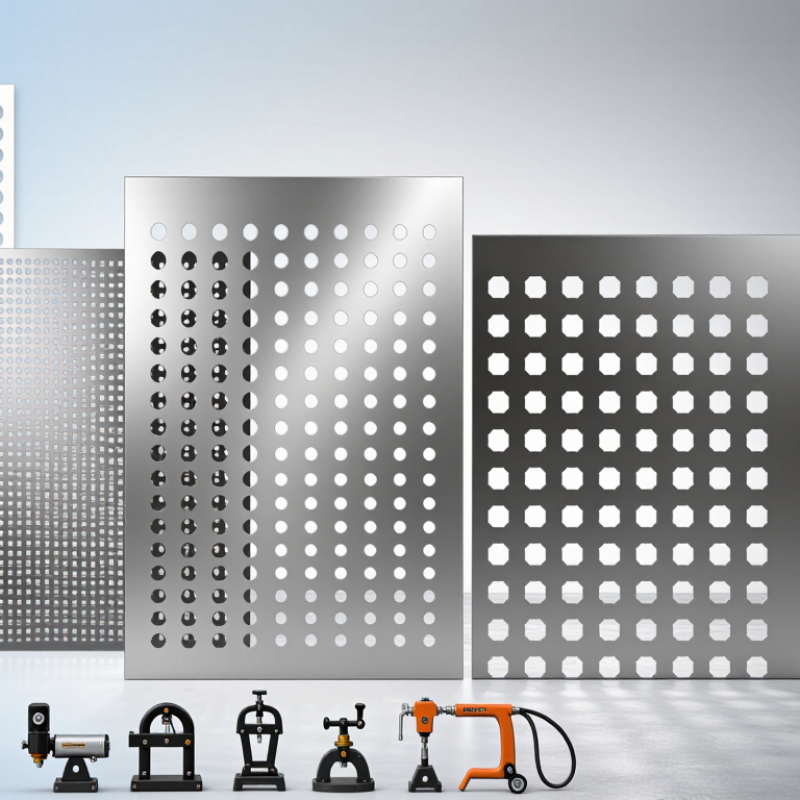
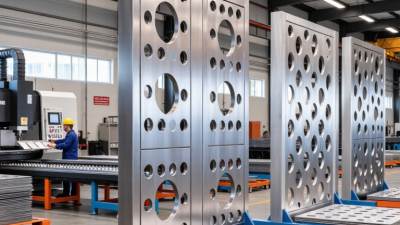
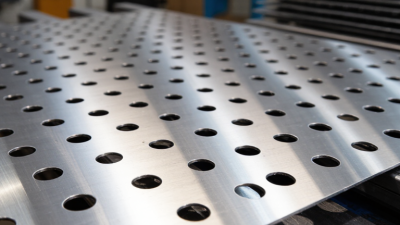
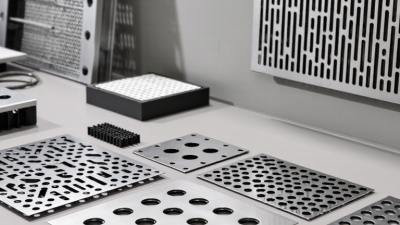
China has become a major sourcing base for perforated architectural and industrial materials. This guide examines China’s top Perforated Metal Screen manufacturers through practical purchasing criteria, not promotional claims. It considers material quality, fabrication experience, engineering support, and production consistency.
A reliable manufacturer should explain how it selects aluminum, stainless steel, mild steel, or galvanized sheet. It should also provide clear information about hole patterns, open area, thickness tolerance, and surface treatment. Factory experience matters when projects require repeated panels, tight dimensions, or unusual shapes. Laser cutting, punching, leveling, bending, and powder coating can each affect the final result.
Details reveal capability.
This review also considers factory communication, sample approval, packaging, and quality inspection records. Useful evidence may include technical drawings, test reports, project photographs, and traceable material certificates. Buyers should verify whether reported certifications apply to the actual factory and product range. That step is easy to overlook.
No supplier is perfect.
Even experienced manufacturers can face color variation, edge distortion, or delays during customized production. A strong supplier should acknowledge these risks and offer practical controls. It should respond clearly when specifications change. This guide therefore balances manufacturing strengths with possible limitations. The goal is a dependable comparison for architects, contractors, distributors, and project buyers seeking durable Perforated Metal Screen solutions from China. Supplier performance still depends on project complexity, communication quality, and inspection discipline. Careful evaluation remains essential.
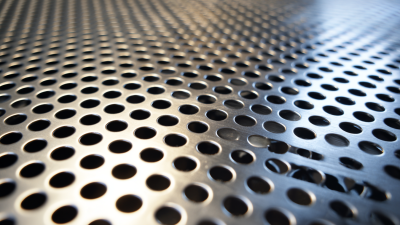
A perforated metal screen is a sheet shaped with repeated openings. The openings are formed by punching, laser cutting, or other controlled processes. Hole diameter, spacing, pattern, and sheet thickness determine its performance. Open area is especially important. It influences airflow, daylight, drainage, and visual privacy. In practical design reviews, I check these details before discussing appearance. A screen may look attractive but restrict ventilation.
Perforated screens serve several architectural and industrial roles. They can shade windows, protect equipment, separate spaces, and reduce direct glare. When installed around machinery, they support ventilation while limiting accidental contact with moving components. Aluminum offers low weight and corrosion resistance. Carbon steel provides strength and cost efficiency. Stainless steel suits demanding moisture conditions. The selected finish must match exposure, cleaning needs, and expected service life.
Experienced manufacturers in China usually begin with approved drawings and material specifications. Reliable production also requires checking hole accuracy, flatness, burrs, and coating adhesion. Small errors matter. A slight pattern shift can affect panel alignment across a long façade. I have also seen designs that focused too heavily on open area and ignored wind loads. That weakness deserves honest review. Engineers should confirm structural support, fasteners, drainage, and maintenance access before production. Mock-up testing can reveal glare, noise, or cleaning problems that drawings fail to show.
China’s perforated metal screen manufacturers commonly work with carbon steel, stainless steel, aluminum, and galvanized steel. Each material suits a different service environment. Aluminum offers low weight and natural corrosion resistance. Stainless steel performs well near moisture, chemicals, and public traffic. Galvanized steel provides practical protection for exterior structures. Material thickness often ranges from 0.5 to 12 millimeters, depending on load, opening size, and installation method. Round, square, slotted, and decorative patterns are produced through controlled punching or laser cutting.
Modern factories use CNC punching machines for repeatable hole spacing and stable production speed. Laser cutting supports complex patterns and smaller production batches. Expanded metal lines create diamond-shaped openings without removing material, which can reduce waste. Experienced engineers usually check open-area ratios before production. A small change in hole diameter can affect airflow, daylight, acoustic behavior, and panel strength. Quality teams may inspect sheet thickness, burrs, flatness, coating adhesion, and dimensional tolerance. Samples are also tested under realistic installation conditions.
Not every process is perfect.
Punching can leave slight burrs, especially with worn tooling. Coating may also vary at panel edges. Reliable suppliers identify these risks instead of hiding them. They discuss tolerances, drainage, fixing points, and maintenance access before fabrication. This practical communication often matters more than a polished catalogue. Careful manufacturers keep inspection records, verify material certificates, and protect finished panels during transport. Yet designers should still review samples, because computer drawings cannot reveal every surface detail.
| Product Category | Common Materials and Grades | Typical Material Thickness | Manufacturing Technology | Common Perforation Patterns | Key Technical Parameters | Quality and Compliance Considerations | Typical Applications |
|---|---|---|---|---|---|---|---|
| Carbon Steel Perforated Screens | Q235B steel under GB/T 700; equivalent general-purpose structural steel grades may include ASTM A36 or EN 10025 S235JR. | Approximately 0.8–12 mm for commonly fabricated screen panels. | CNC punching, mechanical perforation, laser cutting for prototypes or complex openings, followed by deburring and surface treatment. | Round staggered, round straight-line, square, slotted, and custom decorative patterns. | Hole diameter commonly from 1–20 mm; open area is determined by hole size, pitch, and pattern. Sheet flatness and burr height are important control points. | Dimensional inspection, hole-size verification, flatness testing, weld-quality control where frames are attached, and corrosion protection such as powder coating, painting, or galvanizing. | Machine guards, ventilation panels, equipment covers, architectural cladding, acoustic panels, and screening systems. |
| Galvanized Steel Screens | Low-carbon steel with zinc coating; common substrate specifications include DX51D+Z under EN 10346 or comparable galvanized sheet grades. | Approximately 0.6–3.0 mm for lightweight ventilation, enclosure, and architectural products. | Pre-galvanized sheet punching or post-fabrication hot-dip galvanizing. Punching parameters must be controlled to reduce coating damage around holes. | Round staggered, square, rectangular, and slotted openings. | Zinc coating mass, hole consistency, edge condition, panel flatness, and resistance to white rust or red rust during storage and service. | Coating thickness and adhesion checks, visual inspection of cut edges, appropriate packaging, and compliance with the selected coating standard. | Outdoor equipment screens, air-intake grilles, agricultural machinery guards, storage systems, and construction ventilation panels. |
| Stainless Steel Perforated Screens | 304 and 304L for general corrosion resistance; 316 and 316L for chloride exposure and more demanding chemical environments. Chinese stainless-steel designations are covered by GB/T 20878. | Approximately 0.5–8 mm, depending on hole geometry, panel size, and structural requirements. | High-precision CNC punching, laser cutting for small quantities or intricate designs, leveling, edge finishing, and optional bead blasting or polishing. | Round, square, slotted, hexagonal, and decorative custom patterns. | Hole-to-thickness ratio, pitch accuracy, surface roughness, panel flatness, and resistance to intergranular or chloride-related corrosion. | Material-grade verification, passivation or pickling when required, avoidance of carbon-steel contamination, dimensional inspection, and surface-finish consistency. | Food-processing equipment, chemical facilities, filtration supports, marine environments, architectural façades, and hygienic partitions. |
| Aluminum Perforated Screens | 5052 aluminum for good formability and corrosion resistance; 6061 aluminum for higher structural strength. Material condition may include H32, H34, or T6 depending on the alloy. | Approximately 0.8–6 mm for common industrial and architectural panels. | CNC punching, laser cutting, CNC forming, and optional anodizing, powder coating, or PVDF coating. | Round staggered, square, slotted, hexagonal, and bespoke façade patterns. | Low density, corrosion resistance, dimensional stability, coating adhesion, and control of distortion after punching or finishing. | Alloy and temper verification, coating thickness and color checks, edge deburring, and galvanic-corrosion prevention when aluminum contacts dissimilar metals. | Building façades, sunshades, ceiling panels, HVAC grilles, lightweight guards, and transportation interiors. |
| Decorative Architectural Screens | Powder-coated carbon steel, stainless steel, aluminum, or weather-resistant steel selected according to design and exposure conditions. | Approximately 1–6 mm, with thicker sheets used for freestanding or structural decorative panels. | CAD/CAM design, CNC punching, fiber-laser cutting, CNC bending, frame welding, surface finishing, and precision installation-hole preparation. | Geometric, botanical, branding-neutral abstract, linear, and custom repeat patterns. | Pattern repeat accuracy, visual alignment, open-area ratio, panel deflection, edge safety, and color uniformity across batches. | Approved shop drawings, sample-panel confirmation, coating-system specification, weld inspection, packaging protection, and installation-tolerance control. | Façades, partitions, balustrade infill, privacy screens, elevator interiors, feature walls, and ceiling systems. |
| Industrial Ventilation and Air-Flow Panels | Galvanized steel, aluminum, stainless steel, or carbon steel with protective coating. | Approximately 0.8–4 mm for grille and enclosure applications. | High-speed punching, roll forming, CNC bending, frame assembly, and optional mesh or filter integration. | Round staggered, square, rectangular, and louver-compatible openings. | Open-area ratio, pressure drop, airflow distribution, acoustic performance, panel rigidity, and resistance to vibration. | Airflow and pressure-drop testing where required, dimensional control, corrosion-resistance evaluation, safe-edge finishing, and secure fastener design. | HVAC equipment, generator enclosures, transformer housings, compressor rooms, electrical cabinets, and engine compartments. |
| Acoustic Perforated Panels | Perforated steel, aluminum, or wood-based panels combined with mineral wool, polyester fiber, or other sound-absorbing backing materials. | Metal facing commonly ranges from approximately 0.7–2.5 mm. | CNC punching or laser perforation, panel forming, acoustic backing assembly, edge folding, and modular frame construction. | Small round, micro-perforated, square, and linear slot patterns. | Open-area ratio, perforation diameter, backing thickness, sound absorption coefficient, panel rigidity, and fire-performance requirements. | Acoustic testing to the specified method, fire classification of the complete assembly, surface-finish inspection, and verification of backing-material density and thickness. | Factories, studios, auditoriums, offices, transport facilities, machinery enclosures, and public buildings. |
| Heavy-Duty Screening Panels | Thicker carbon steel, abrasion-resistant steel, stainless steel, or aluminum selected according to load, wear, and corrosion conditions. | Approximately 4–12 mm, with higher thicknesses available for engineered applications. | Heavy-duty CNC punching, laser cutting, plasma cutting for thick plate, CNC forming, structural welding, and protective coating. | Large round, square, rectangular, slotted, and reinforced custom openings. | Load capacity, impact resistance, hole deformation, weld integrity, panel deflection, and coating durability. | Material certificates, weld procedure control, dimensional inspection, load or impact testing where specified, and appropriate corrosion or abrasion protection. | Mining equipment, aggregate processing, heavy machinery guards, platforms, screening systems, and industrial safety barriers. |
| Standard Production and Inspection Practices | Material selection is normally based on corrosion exposure, mechanical loading, temperature, forming requirements, appearance, and project standards. | Final thickness depends on the selected material, hole size, pitch, panel dimensions, and required stiffness. | Typical workflow: engineering drawing review, material verification, CNC programming, perforation, leveling, trimming, forming, welding, surface finishing, inspection, and protective packaging. | Pattern orientation and border dimensions are defined on approved drawings to ensure repeatability during installation. | Common control items include sheet thickness, hole diameter, pitch, border width, diagonal tolerance, flatness, burr height, coating thickness, and assembly dimensions. | Inspection records may include material certificates, first-article approval, in-process checks, final dimensional reports, coating reports, and photographic packaging records. | Suitable for industrial procurement, architectural projects, equipment manufacturing, construction systems, and customized engineering orders. |

China Top Perforated Metal Screen Manufacturers
Evaluating leading Chinese manufacturers requires more than comparing online catalogs. Check whether the factory controls cutting, punching, finishing, and inspection in-house. A site visit can reveal practical details, such as machine condition, material storage, and packing methods. Ask for recent production photos, not only polished showroom images. Request samples with your actual hole diameter, pitch, sheet thickness, and edge design. Small errors matter.
Technical evidence should guide the decision. Review material certificates, dimensional inspection records, and coating or corrosion test results. Confirm whether the manufacturer follows the standards required in your destination market. A reliable supplier explains tolerances clearly. It should also identify limitations before accepting an order. Vague promises deserve caution. Fast replies are useful, but accurate replies matter more. Ask how they manage damaged sheets, tooling changes, and replacement parts. These details often affect project costs.
Communication is another practical test. Send a drawing with several specifications and check whether the quotation reflects every detail. Experienced teams usually clarify unclear points instead of guessing. Evaluate lead times using a written production schedule. Check export packaging with photos showing corner protection, moisture barriers, and labels. No manufacturer is perfect. I would still question any factory claiming zero defects. A stronger partner shares inspection methods and accepts reasonable review. Trust grows through records, samples, and repeated evidence.
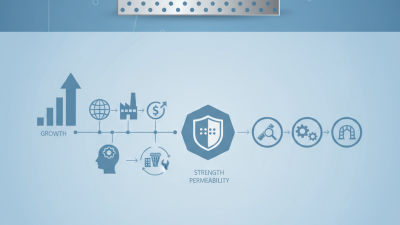
This evaluation framework compares the practical factors commonly used when sourcing perforated metal screens from China. Product quality and technical conformity receive the highest weighting because hole accuracy, open area, material grade, and dimensional tolerances directly affect project performance. The scores represent recommended evaluation weights rather than data from any individual company or brand.
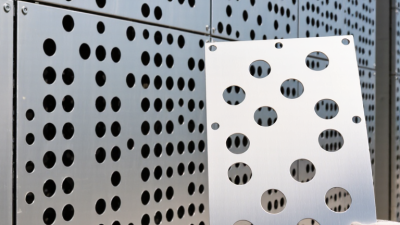
Perforated metal screens now serve both visual and technical roles in modern buildings. They shield façades, stairwells, parking structures, balconies, and plant rooms. Carefully sized openings can admit daylight while reducing glare and direct solar exposure. This matters because the UNEP 2024 Global Status Report states that buildings consume 32% of global energy and produce 34% of global carbon emissions. A screen is not automatically sustainable. Its pattern, coating, orientation, and maintenance determine real performance.
In industrial settings, perforated panels support ventilation, acoustic control, machine guarding, equipment enclosures, and material separation. Factories also use them around compressors, generators, conveyors, and warehouse platforms. Open areas must balance airflow with safety and noise reduction. The IEA’s Future of Cooling report projects that cooling energy demand could more than triple by 2050 without stronger efficiency measures. Perforated screens can assist passive airflow, but they cannot replace properly designed mechanical systems.
Practical manufacturing experience shows that small details often cause trouble. Hole diameter, pitch, edge distance, and panel flatness affect installation. Aluminum suits lightweight façades, while galvanized or stainless steel can better withstand demanding industrial conditions. Finishes should match local humidity, pollutants, and cleaning methods. Engineers should request load data, corrosion testing, and sample panels before approval. Performance claims need evidence. That part is sometimes overlooked.
Selecting a reliable perforated metal screen manufacturer requires more than comparing online prices. Review production experience, material options, hole patterns, open-area ratios, and available thicknesses. Ask for recent project samples, not only polished catalog images. A useful supplier should explain how tooling affects edge quality and dimensional tolerance.
Quality control begins with the raw coil or sheet. Request material certificates and confirm the stated grade with test records. Inspect sample panels for burrs, uneven spacing, scratches, and distorted edges. Measure hole diameter and pitch at several points. Small deviations can affect airflow, shading, and installation alignment. Quality checks should cover cutting, leveling, surface treatment, packing, and final inspection.
Export planning also deserves careful attention. Confirm packing methods for long panels, especially during humid sea transport. Strong corner protection can prevent bent edges. Clarify product dimensions, net weight, gross weight, loading quantity, and shipping documents before production. Agree on inspection timing and acceptable tolerances in writing. Factory audits help, but they cannot replace independent verification. I have seen attractive samples fail when bulk packaging was poorly designed. That risk is easy to underestimate. Allow time for a pre-shipment inspection, and keep one approved sample for future comparison.