What is Perforated Metal Mesh and Its Industrial Applications?
Perforated Metal Mesh is a versatile product used in various industries. Its strength and permeability make it an ideal choice for many applications, from construction to filtration. According to a recent market analysis by Grand View Research, the global perforated metal market is projected to reach $1.9 billion by 2025. This growth is driven by the increasing demand for lightweight and durable materials.
Experts in the field recognize the importance of Perforated Metal Mesh. John Smith, a noted industrial engineer, stated, "Perforated Metal Mesh is crucial for optimizing performance and efficiency in many applications." His insight highlights how this material can enhance structural integrity and improve design aesthetics.
Despite its benefits, challenges exist in implementing Perforated Metal Mesh. Ensuring proper hole sizing and spacing is critical for achieving desired performance. This requires experienced professionals who understand the intricacies of the material. As industries evolve, so does the need for innovative solutions that reliable Perforated Metal Mesh can provide.
Definition and Characteristics of Perforated Metal Mesh
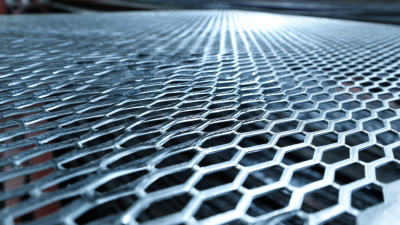
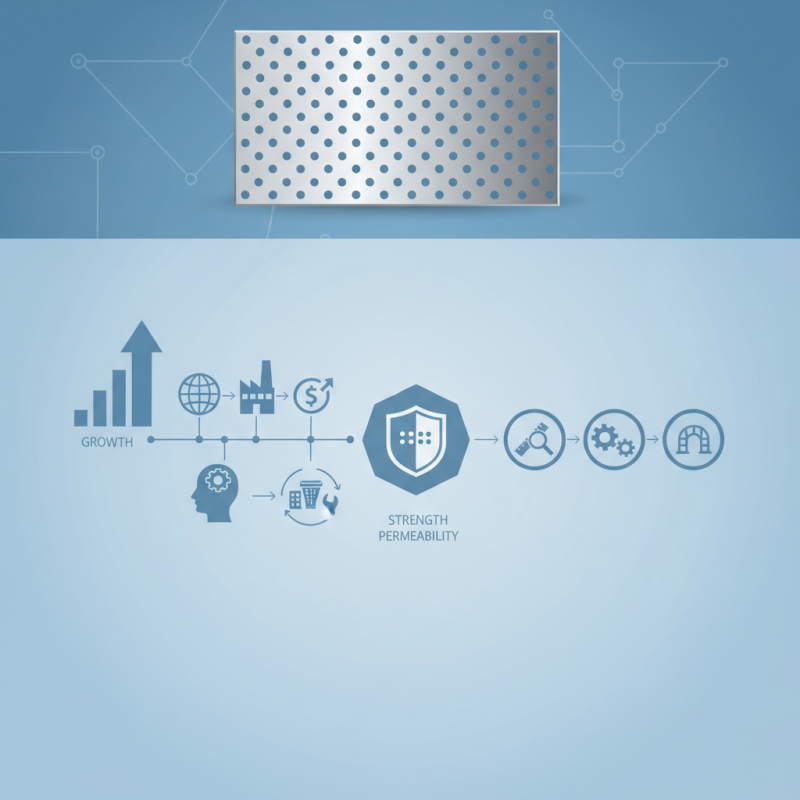
Perforated metal mesh is a versatile material widely used across various industries. It consists of flat sheets of metal with holes punched in them, creating a unique pattern. The holes can range in size and spacing, giving the mesh different characteristics. According to industry reports, the global perforated metal market was valued at approximately $1.1 billion in 2021 and is expected to grow. This increase highlights its growing acceptance in sectors like construction, automotive, and food processing.
The characteristics of perforated metal mesh make it especially suitable for numerous applications. It is lightweight yet strong, offering excellent durability. The open design allows for airflow and drainage, making it ideal for filtration systems and architectural screens. Additionally, perforated metal offers aesthetic appeal, seen in decorative panels for buildings. However, some challenges exist. The manufacturing process can generate waste material, which needs to be managed efficiently. Regular assessments of hole sizes are crucial for maintaining optimal performance in specific applications.
It’s important to address potential limitations as well. While perforated metal is strong, it can be prone to corrosion if not coated appropriately. Industries must consider maintenance needs for longevity. Understanding these factors ensures that perforated metal mesh remains an efficient choice for various industrial uses.
What is Perforated Metal Mesh and Its Industrial Applications?
| Characteristic |
Description |
Industrial Applications |
| Material |
Typically made from metals such as stainless steel, aluminum, and carbon steel. |
Used in architectural facades for aesthetic and functional purposes. |
| Hole Size |
Varies widely, typically ranging from 0.5 mm to 50 mm. |
Used in filters and separation processes in manufacturing industries. |
| Thickness |
Available in a range between 0.5 mm and 5 mm. |
Commonly employed in the mining industry for screen and panel applications. |
| Pattern |
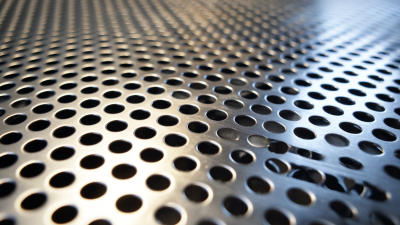
Various patterns such as round, square, and slotted holes. |
Utilized in ventilation and exhaust systems for optimal air circulation. |
| Strength |
High strength-to-weight ratio suitable for structural applications. |
Applied in the construction industry for safety barriers and fencing. |
Types of Materials Used in Perforated Metal Mesh Manufacturing
Perforated metal mesh is a versatile material used in various industries. Its manufacturing involves different types of materials, each chosen for specific properties. Common materials include stainless steel, aluminum, and carbon steel, each offering unique advantages.
Stainless steel is known for its corrosion resistance and durability. This makes it ideal for outdoor applications and environments with moisture.
Aluminum, on the other hand, is lightweight and easy to work with. It is often used in architecture and design. Its aesthetic appeal enhances visual projects. Carbon steel, while less resistant to rust, is strong and cost-effective for industrial use. Each material brings distinct characteristics.
However, the choice of material can impact performance and lifespan. Consideration of factors like load-bearing capacity and exposure to the elements is crucial. Sometimes, manufacturers may overlook these aspects.
Testing the mesh under specific conditions can lead to unexpected failures down the line. Understanding these materials and their applications helps in making informed choices. Each project requires careful evaluation of these factors to optimize results. This meticulous approach can yield better overall performance and longevity for perforated metal applications.
Industrial Applications of Perforated Metal Mesh in Various Sectors
Perforated metal mesh has gained significant traction across various industries due to its versatility and functionality. This material is characterized by its grid-like structure, featuring numerous holes of different shapes and sizes. In construction, it serves as an efficient screening tool. Contractors appreciate its ability to allow airflow while maintaining structural integrity. This dual functionality is crucial for modern building designs, reflecting a shift toward eco-friendly practices.
In the automotive sector, perforated metal mesh plays an essential role in manufacturing components. Its lightweight nature makes it ideal for parts requiring strength without excess weight. Additionally, it aids in noise reduction and vibration control, enhancing overall vehicle performance. However, some manufacturers face challenges in ensuring consistent hole patterns, which can affect product reliability. This area requires careful oversight and may benefit from advancements in production techniques.
The food and beverage industry also leverages perforated metal mesh. It is commonly used in filtration and separation processes. Here, the uniformity of holes is vital; any inconsistency can lead to contamination issues. Yet, ensuring the right specifications can be a daunting task for suppliers. Reflecting on these challenges highlights the importance of quality control during the supply chain process. Striking the right balance between functionality and reliability remains essential across all applications.
Industrial Applications of Perforated Metal Mesh
Advantages of Using Perforated Metal Mesh in Construction and Design
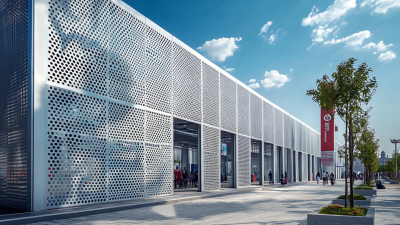
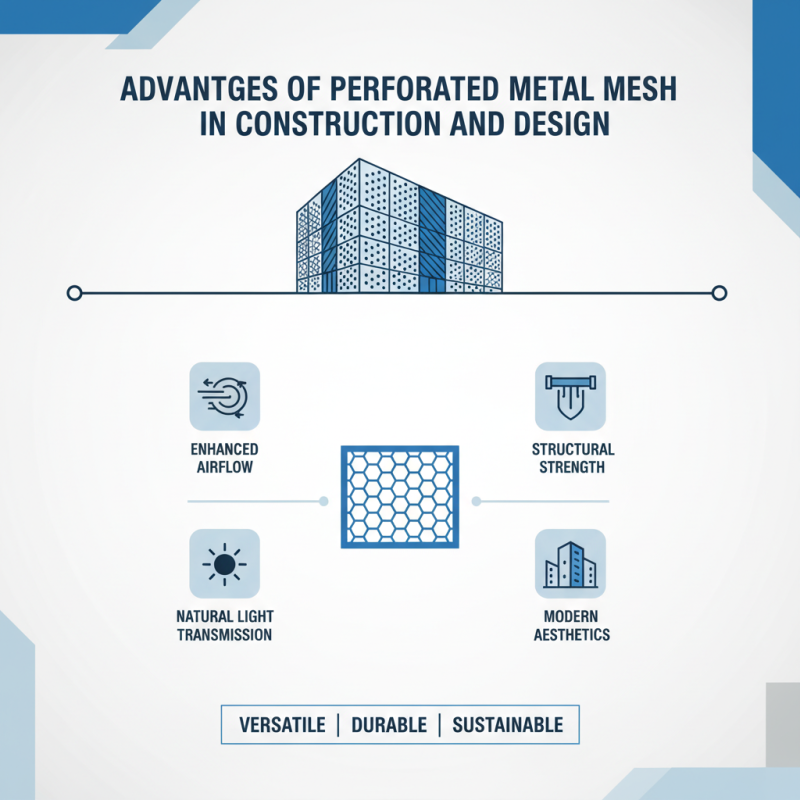
Perforated metal mesh offers numerous advantages in construction and design. Its unique structure allows for enhanced airflow and light transmission while maintaining strength. In architectural applications, this material can create visually striking facades. Designers often choose perforated sheets for aesthetic appeal, providing texture and a modern touch to buildings.
The use of perforated metal mesh in interior spaces is also growing. It is applied in ceiling designs and partitions, allowing flexibility in layout. These features contribute to an open feel, improving collaboration in workspaces. Additionally, the mesh's durability ensures long-lasting performance under various conditions.
Despite these benefits, there are challenges to consider. Cutting and installing perforated mesh can be complex, requiring skilled labor. Proper selection of hole size and pattern is essential to achieve desired outcomes. Sometimes, choosing the right finish can be tricky, as it affects maintenance and longevity. Overall, while perforated metal mesh offers great potential, careful thought is necessary in its use.
Maintenance and Durability of Perforated Metal Mesh Products
Perforated metal mesh plays a crucial role in various industries. Understanding its maintenance and durability is essential for ensuring optimal performance over time. One report indicates that well-maintained perforated metal mesh can last decades. Regular inspections are vital. Signs of wear, such as rust or deformation, should be addressed quickly to prevent further damage.
The durability of perforated metal mesh depends on both material and environmental factors. Stainless steel offers higher corrosion resistance than aluminum, especially in harsh conditions. Yet, aluminum is lighter and more cost-effective. A study shows that nearly 30% of businesses experience metal corrosion issues affecting productivity. Any deterioration can lead to safety hazards or equipment malfunction.
Proper cleaning techniques are essential to extend the lifespan of these products. Simple pressure washing can remove surface dirt and debris. However, harsh chemicals may weaken the material over time. Regular maintenance not only keeps the mesh functional but can also enhance its aesthetic appeal. Involving professionals for periodic checks can mitigate potential risks associated with degrading materials.