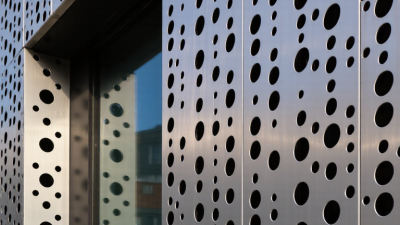
10 Best Perforated Stainless Steel Screen Suppliers?
Choosing a Perforated Stainless Steel Screen supplier involves more than comparing prices or browsing product photos. The right mesh can support airflow, filtration, drainage, or equipment guarding, depending on its design and intended use. A screen with holes that look nearly identical may perform differently when hole diameter, spacing, sheet thickness, and open area change. Details matter. So does the stainless steel grade, particularly where moisture, cleaning chemicals, or outdoor exposure are expected.
This guide compares ten suppliers using practical questions buyers can verify: Do they offer custom hole patterns, clear material specifications, and consistent quality checks? Can they provide drawings, samples, or inspection documents before an order is placed? Ask about edge finishing, dimensional tolerances, minimum order quantities, and delivery estimates. Not every shop fits. Some projects need standard sheets quickly; others require a precise pattern and careful coordination. Supplier information can change, and a polished website is not proof of manufacturing capability. Request current documentation and confirm the specifications in writing. The comparison is a starting point, not a universal ranking. A supplier that suits one application may be a poor match for another. That distinction is easy to overlook, especially when two quotes appear similar.
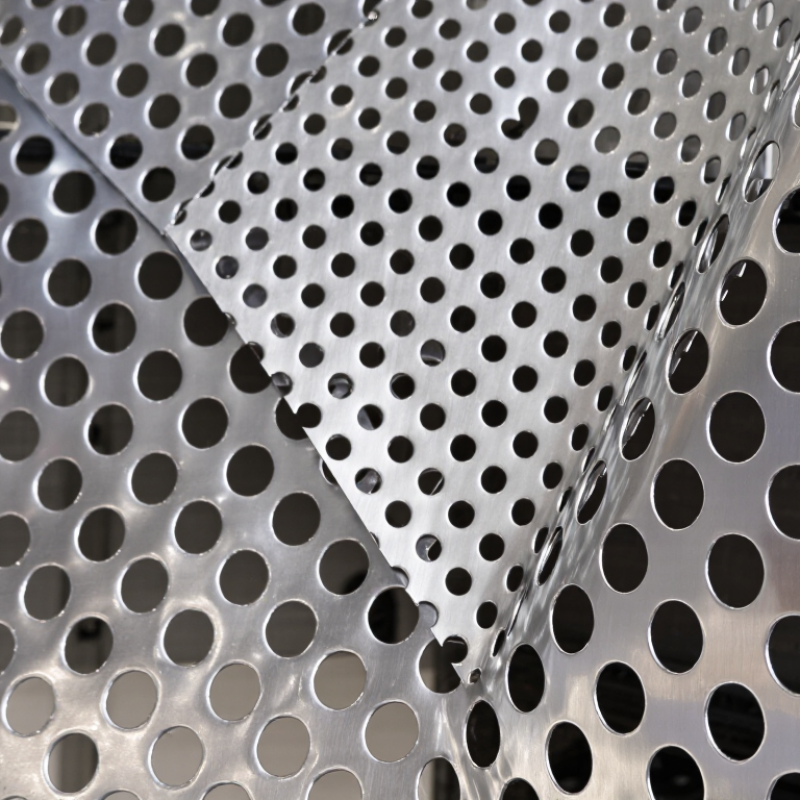
What Perforated Stainless Steel Screens Are and Where They Are Used
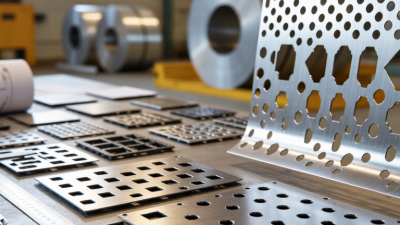
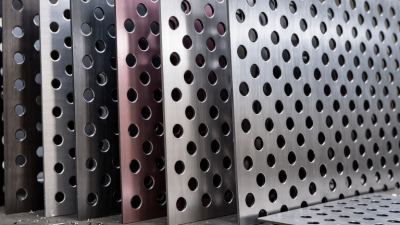
Perforated stainless steel screens are sheets of stainless steel punched with repeated holes or shaped openings. The patterns may be round, slotted, or custom-cut, with different open areas for controlling airflow, light, and material passage. Stainless steel offers useful corrosion resistance and strength, though performance depends on the alloy, thickness, and environment. A screen near salt spray needs different consideration from one used indoors.
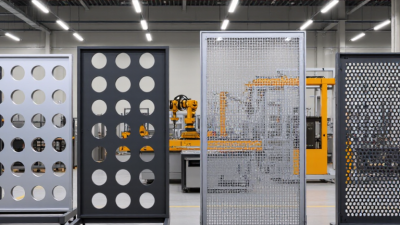
These screens appear in machinery guards, ventilation panels, filtration assemblies, food-processing equipment, and architectural façades. In a factory, a screen might separate coarse particles while allowing air to pass. On a building exterior, it can soften sunlight without fully blocking the view. Hole size and sheet thickness affect rigidity, pressure drop, cleaning, and noise. Small openings can clog when materials are damp or sticky. That detail is easy to overlook.
Tips: Match the opening size to the material or airflow you need to pass. Ask suppliers for samples or a technical drawing, and check hole spacing, edge margins, and finish. Consider how the screen will be supported; a wide, thin panel may flex or vibrate. Also confirm cleaning requirements and exposure conditions. Measurements sometimes need a second look before production.
Profiles of 10 Perforated Stainless Steel Screen Suppliers
A useful supplier profile looks beyond catalog photographs. The International Stainless Steel Forum reported 58.4 million tonnes of stainless steel production in 2023. That figure describes the wider industry, not perforated-screen demand, but it underscores why traceable grades and consistent processing matter. The profiles below compare ten supplier types without naming companies.
1. Stock specialists offer common sheet grades and thicknesses.
2. Custom perforators adjust hole diameter, pitch, and open area.
3. Architectural fabricators focus on flatness and clean edges.
4. Industrial processors handle heavier sheets and demanding loads.
5. Fine-mesh producers serve filtration and separation applications.
6. Short-run shops suit prototypes and unusual patterns.
Details matter.
7. High-volume converters prioritize repeatable batches.
8. Regional service centers may shorten delivery and simplify sheet sourcing.
9. Export-focused suppliers can coordinate packing for long-distance shipping.
10. Engineering-led shops help match perforation patterns to airflow, screening, or guarding needs.
Ask each candidate for the stainless grade, thickness tolerance, hole pattern, open area, edge condition, and inspection records. Request a physical sample. A polished sample can still hide variation across a full sheet; that deserves a closer look. Compare lead times and packaging too, since bent corners can undermine an otherwise accurate order.
Comparing Supplier Capabilities, Customization, and Quality Standards
Choosing a perforated stainless steel screen supplier starts with production capability, not just a catalog. Ask which stainless grades, sheet thicknesses, hole shapes, and open-area percentages the supplier can produce. Can they maintain consistent spacing across a large panel? Request a sample with dimensions close to your actual design. Small details matter.
Customization may include staggered or straight patterns, special panel sizes, deburred edges, and reinforced borders. Share a clear drawing and state how the screen will be used, including exposure to moisture or abrasion. Ask about prototype approval, minimum order quantities, and realistic lead times. A low-cost custom pattern may require extra tooling. Clarify who pays for it before production.
Quality claims need evidence. Look for documented material identification, dimensional checks, and inspection records tied to each batch. For critical dimensions, ask how often measurements are taken and what tolerances can be held. A polished sample can still hide production variation; that is easy to overlook. Compare sample results with delivered panels, and confirm how defects are handled. No checklist removes every risk, but specific answers make supplier comparisons more dependable.
Perforated Stainless Steel: Theoretical Open Area
Open area is calculated for round holes on a 60° staggered pattern using 90.69 × (hole diameter ÷ center-to-center pitch)². These illustrative geometry calculations help compare design options; they are not supplier ratings or product specifications.
How to Choose and Verify a Supplier for Your Project
A perforated stainless steel screen supplier should be able to discuss your project’s actual requirements, not just quote a price. Specify the stainless steel grade, sheet thickness, hole diameter, spacing, open area, and required dimensions. These details affect strength, airflow, drainage, and fit. Ask for a drawing that shows tolerances and edge conditions before approving production. A sample sheet can reveal burrs, uneven holes, or a finish that looks different from the specification. Small details matter.
Verify the supplier’s capabilities with practical evidence. Request material certificates, inspection records, and a clear explanation of how dimensions are checked. Ask whether the supplier can maintain consistent perforation patterns across the full order, and confirm packaging will protect edges during transport. Discuss production lead time and how changes to a drawing are handled. A polished brochure is not proof of reliable output. Sometimes a specification still needs revising after reviewing a sample; that is worth admitting early, before the order is fixed.
Tips: Compare written quotes line by line, including tolerances and delivery terms. Keep one approved sample for reference. If answers stay vague, pause and ask for specifics.