Inquiry
Form loading...

7 Tips for Buying Perforated Metal Screen Panels

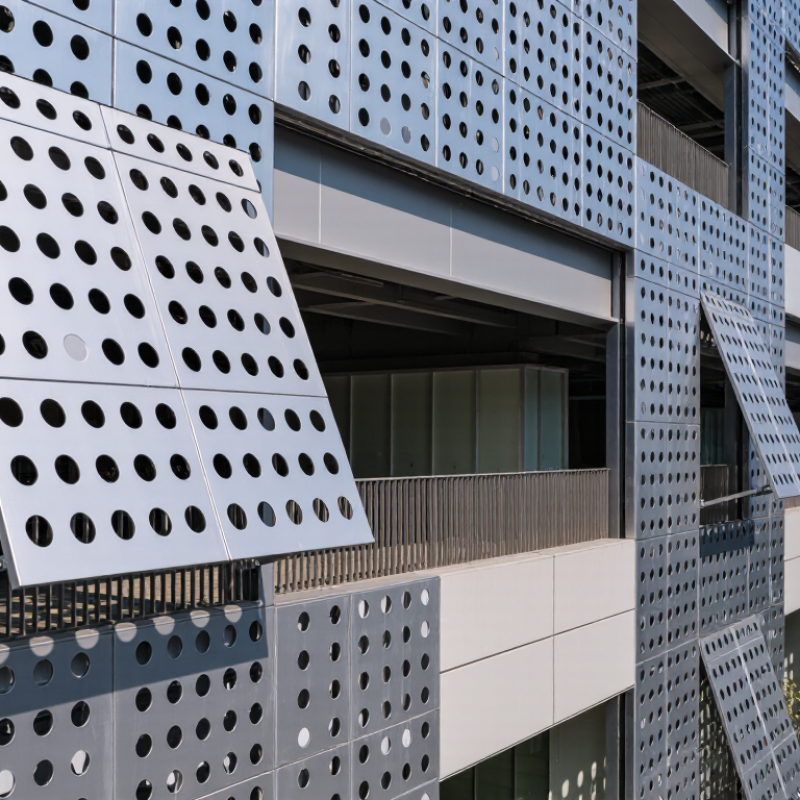
Perforated Metal Screen Panels are no longer limited to industrial ventilation or machine guarding. They now shape façades, balcony rails, acoustic walls, sunshades, and interior partitions. Grand View Research identifies rising demand for architectural metal products, driven by durable, lightweight, and recyclable building materials. The report also highlights construction growth in Asia-Pacific and renovation activity in mature markets.

Performance depends on small decisions. A two-millimeter hole can affect airflow, daylight, privacy, and visual weight. Open-area percentage matters. So do alloy grade, sheet thickness, coating, edge treatment, and fixing method. Hendrick Manufacturing engineer David Hendrick offers a useful reminder: “Perforation is not decoration alone; it is an engineered balance between appearance and performance.” The quotation is practical, though it does not replace project-specific testing.

This guide examines seven buying tips for Perforated Metal Screen Panels. It considers load exposure, corrosion risk, acoustic goals, cleaning access, and installation tolerances. ASTM-related material testing and manufacturer data should support each choice. A product sample under showroom lighting may look perfect, yet appear harsh beside a real window. That is an easy detail to miss.

Buyers should request technical drawings, certified material information, fire-performance documentation, and coating specifications. They should also check whether the supplier can reproduce the pattern consistently across replacement panels. Cost remains important, but the cheapest sheet may create higher maintenance costs later. Some recommendations here are deliberately cautious. Site conditions differ, and no single panel pattern suits every building.
7 Tips for Buying Perforated Metal Screen Panels

Understanding Perforated Metal Screen Panels and Their Applications

Perforated metal screen panels are sheets shaped with repeated openings. These holes may be round, square, slotted, or decorative. Their pattern affects airflow, light, sound, weight, and visual privacy. Open area, measured as a percentage, is especially important. A higher open area usually allows more ventilation but provides less screening.

In practice, panel selection starts with the application. Exterior facades may need corrosion-resistant steel or aluminum, while machine guards require strong material and carefully sized openings. Acoustic panels often use smaller perforations with an absorbent layer behind them. For a parking enclosure, I would check sunlight, wind exposure, drainage, and nighttime visibility. Small details matter. Measure twice.

Thickness also deserves attention. Thin panels are easier to form, but they may vibrate or dent during installation. Heavier panels offer greater rigidity and can increase structural loads. I once focused too much on the hole pattern and underestimated the importance of edge support. That was a useful mistake. Review the panel’s material grade, coating method, open area, and fixing system with a qualified fabricator. Ask for sample pieces when appearance or airflow is critical. Colors can look different under daylight and artificial lighting. Tolerances are not always obvious. A practical review should include cleaning access, cut-edge protection, and replacement needs before ordering.
Choosing the Right Metal, Thickness, and Hole Pattern

7 Tips for Buying Perforated Metal Screen Panels

Choosing the Right Metal, Thickness, and Hole Pattern

Start with the load and the environment. Indoor partitions may suit carbon steel, while damp locations often require aluminum or stainless steel. Stainless steel handles moisture well, but it usually costs more. Aluminum is lighter and easier to handle. Do not guess. Check chemical exposure, temperature changes, and cleaning methods before choosing a metal.

Thickness affects strength, weight, noise, and forming quality. A thin panel can reduce cost, but it may bend during transport or installation. Heavier panels offer better rigidity, although they need stronger framing and additional support. In my experience, buyers often specify thickness before checking the frame. That approach can create avoidable problems. Ask for material certificates and verify thickness tolerances with the supplier.

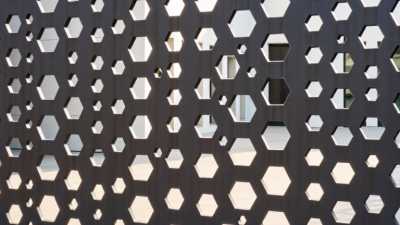
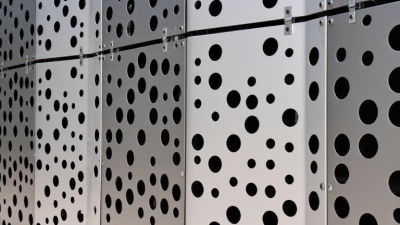
Hole pattern controls airflow, light, visibility, drainage, and appearance. Round holes are common, but square, slotted, and decorative patterns may suit different applications. Open area matters more than hole size alone. A small hole pattern can restrict ventilation, while a large pattern may reduce privacy or impact resistance. Review a sample under actual lighting. Computer drawings can look surprisingly different in a finished space. Also confirm pitch, hole diameter, edge margins, and panel dimensions before production. Small measurement errors become obvious across a long wall.

Evaluating Panel Size, Open Area, and Structural Performance

Tip 1: Confirm the panel size before comparing prices. Measure the opening, support spacing, and installation access. A panel that is too large may flex during handling. A smaller panel can create extra joints and labor. In field projects, access often matters more than drawings suggest. Measure twice.

Tip 2: Examine the open area, not only the hole pattern. Open area controls airflow, daylight, drainage, and visual screening. A 40% open area behaves differently from a 20% panel under wind pressure. Hole shape also changes performance. Round holes usually distribute stress more evenly, while slots may provide stronger directional airflow. Do not assume more openness is always better. It can reduce stiffness and increase noise.

Tip 3: Check structural performance with the actual span and load conditions. Review material thickness, support spacing, deflection limits, and edge reinforcement. A panel may look rigid on a sample table but vibrate across a wide opening. Ask for test data or engineering calculations when safety depends on the screen. Corrosion exposure deserves attention too, especially near saltwater or industrial exhaust. I have seen specifications focus heavily on appearance and overlook fastener movement. That mistake is easy to prevent, but not always easy to repair. Compare the proposed panel with real site conditions, not just catalog values.

7 Tips for Buying Perforated Metal Screen Panels - Evaluating Panel Size, Open Area, and Structural Performance

Tip Buying Dimension Typical Data or Design Range What the Data Means Recommended Buying Check
1 Panel Size Common stock panel widths are approximately 1,000–1,500 mm, with lengths commonly ranging from 2,000–3,000 mm. Custom sizes may be produced to suit the application. Larger panels reduce the number of joints, but they can be more difficult to handle and may require thicker material or additional support to control deflection. Confirm the required opening dimensions, transport limitations, installation access, edge clearances, and the maximum practical lifting weight before ordering.
2 Open Area Typical perforated screens provide approximately 20%–60% open area. A round-hole, 60° staggered pattern can be estimated using: Open area (%) = 90.69 × (hole diameter ÷ pitch)2 Higher open area improves airflow, drainage, visibility, and light transmission, but it generally reduces the amount of solid metal available to resist loads. Compare the required airflow or drainage rate with the required strength. Do not select the highest open area without checking load capacity and edge stability.
3 Hole Diameter and Pitch Common round-hole diameters include 3 mm, 5 mm, 8 mm, 10 mm, and 12 mm. The pitch is the center-to-center distance between adjacent holes. Smaller holes provide finer screening and can improve visual uniformity. Larger holes usually provide greater open area and may be easier to clean, but they reduce the solid ligament between holes. Specify hole diameter, pitch, pattern, and hole orientation together. Check that the retained particle size and the required open area are compatible.
4 Material and Thickness Common materials include carbon steel, stainless steel, and aluminum. Typical sheet thicknesses range from approximately 0.8–6.0 mm, depending on the application. Increasing thickness generally improves stiffness, impact resistance, and load capacity. Aluminum is lighter, while stainless steel offers strong corrosion resistance in many environments. Select the material based on corrosion exposure, temperature, impact risk, weight limits, and required service life. Confirm the specified nominal thickness and material grade.
5 Structural Performance Important performance factors include bending strength, deflection, vibration, buckling, and connection strength. Unsupported spans should be assessed rather than assumed from panel thickness alone. A perforated sheet is usually less stiff than an unperforated sheet of the same thickness because material has been removed. Deflection can control the design before ultimate strength is reached. Provide the span, support spacing, pressure or imposed load, load direction, panel orientation, and fastening method for structural review. Add stiffeners or closer supports when required.
6 Edges and Support Details Useful edge treatments include unperforated margins, folded edges, perimeter frames, and reinforcing angles. Solid margins are often specified to support fasteners and reduce tearing. A solid border improves handling and connection reliability. Perforations placed too close to an edge can reduce local strength and may cause distortion during installation. Define the border width, hole-to-edge distance, frame configuration, fastener spacing, and any required bends or returns on the purchase drawing.
7 Finish, Tolerances, and Inspection Common finishes include mill finish, powder coating, painting, and galvanizing. The inspection should cover thickness, panel dimensions, hole diameter, pitch, open area, flatness, and visible damage. Surface protection affects corrosion resistance and appearance. Dimensional variation in hole size, pitch, and panel flatness can influence fit, airflow, appearance, and structural behavior. Request a drawing or sample approval before production. Define allowable tolerances, coating requirements, packaging standards, and inspection documents in the purchase specification.
Note: The ranges shown are typical purchasing references rather than universal design limits. Final panel selection should be verified against the project load, environmental conditions, applicable standards, and installation details.

Comparing Finishes, Corrosion Resistance, and Maintenance Needs

When buying perforated metal screen panels, match the finish to the exposure, not just the color. A powder-coated surface may suit indoor walls, but strong sunlight can cause fading over time. Anodized aluminum often handles ultraviolet exposure well, while galvanized steel offers practical protection in harsher conditions. Ask for coating thickness, adhesion data, and sample panels before approving a large order. Color samples can mislead.

Corrosion resistance depends on more than the panel material. Coastal air, road salt, moisture trapped behind panels, and industrial fumes can attack weak points. Inspect punched openings, corners, and cut edges carefully. These areas often receive less protection. Stainless steel can perform well, but the alloy must match the environment. Aluminum may resist corrosion, yet contact with other metals can create galvanic damage. Use compatible fasteners and isolation washers where needed. Plan drainage.

Maintenance needs should influence the purchase price. Smooth finishes usually collect less dirt, but textured coatings can hide early corrosion. Clean panels with mild detergent, soft brushes, and fresh water. Avoid abrasive pads. Inspect joints and fasteners at least once a year. More often near salt exposure. In field work, I have seen neglected edges fail before broad surfaces. That detail is easy to overlook. Request a written cleaning schedule, expected service conditions, and repair guidance. Test one panel first. It may reveal staining, glare, or cleaning problems that drawings never show.

7 Tips for Buying Perforated Metal Screen Panels: Finish, Corrosion Resistance & Maintenance

The chart compares common finishes using indicative planning values. Inspection intervals and renewal periods vary with humidity, salt exposure, pollutants, cleaning practices, panel damage, and installation details. Stainless steel and anodized aluminum generally require less frequent finish renewal, while coated and galvanized steel should be selected with special attention to edge protection and the surrounding environment.

Checking Suppliers, Costs, Customization, and Installation Requirements

Buying perforated metal screen panels starts with supplier verification. Ask for a current material certificate, thickness tolerance, alloy grade, and evidence of similar completed projects. Factory photographs are useful, but traceable inspection records are stronger. The World Steel Association reported 1,892.6 million tonnes of crude steel production in 2023, so material availability may vary by region and grade. Request two samples before approving a large order.

Compare total cost, not only the price per panel. Include perforation tooling, edging, coating, packaging, freight, fasteners, and replacement pieces. Ask whether the quotation covers design revisions. A cheaper quote can become expensive after one missing line item. The U.S. Census Bureau recorded nearly $2 trillion in construction spending during 2023, showing why procurement timing and labor coordination deserve attention.

Customization should match airflow, daylight, privacy, and structural needs. Confirm open-area percentage, hole pattern, panel size, corner details, and color tolerance. Share drawings in a marked-up approval set.

Installation needs equal care: verify substrate flatness, support spacing, lifting access, drainage, and expansion gaps. The 2024 International Energy Conservation Code stresses envelope performance, but perforated screens still require project-specific engineering. On-site measurements can prevent costly rework. I would not trust a perfect-looking estimate without a tolerance schedule; that assumption often fails. Allow extra panels for cutting damage and future maintenance.