Inquiry
Form loading...

China Top Perforated Sheet Metal Panels Manufacturer?

China’s perforated metal industry has become a major sourcing option for architectural, industrial, and acoustic applications. Grand View Research estimated the global perforated metal market at approximately USD 1.04 billion in 2023. It also projected steady growth through 2030. However, market figures vary by product definition and regional coverage.

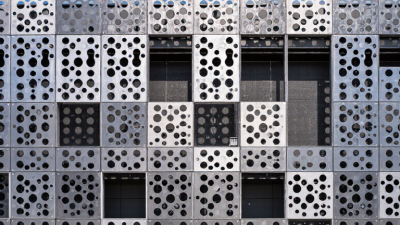
That growth reflects practical demand. Perforated Sheet Metal Panels can reduce solar glare, support airflow, and create controlled visual privacy. On a building façade, a 2-millimeter aluminum panel may cast shifting shadows across concrete during the afternoon. In machinery rooms, steel panels can protect equipment while allowing ventilation. Small details matter.

Architect Thomas Herzog described the façade as “a filter between inside and outside.” His observation remains useful when evaluating Chinese manufacturers. A reliable supplier should explain open-area ratios, hole patterns, material grades, flatness tolerances, coating systems, and testing procedures. ISO 9001 certification helps, but it does not replace production evidence. Ask for inspection records, sample approval, and photographs from completed projects.

The World Steel Association reported global crude steel production of about 1.89 billion tonnes in 2023. China remained the largest producer by a wide margin. That capacity can support competitive pricing and flexible fabrication. It can also create inconsistent quality between factories.

A polished sample is not enough. Sometimes, our first judgment is wrong. Buyers should compare drawings, test reports, packaging methods, and after-sales responses before choosing a China Top Perforated Sheet Metal Panels Manufacturer. The strongest partner is not always the cheapest one. It is the supplier that makes technical limits visible.
China Top Perforated Sheet Metal Panels Manufacturer?

What Are Perforated Sheet Metal Panels?

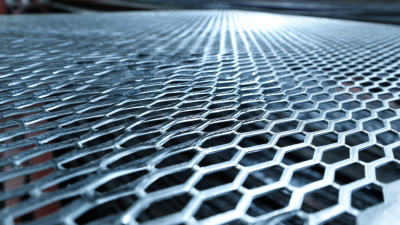
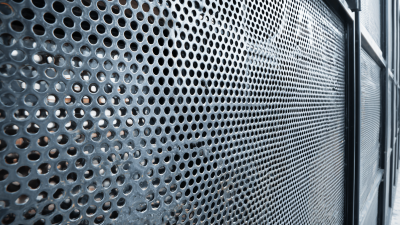
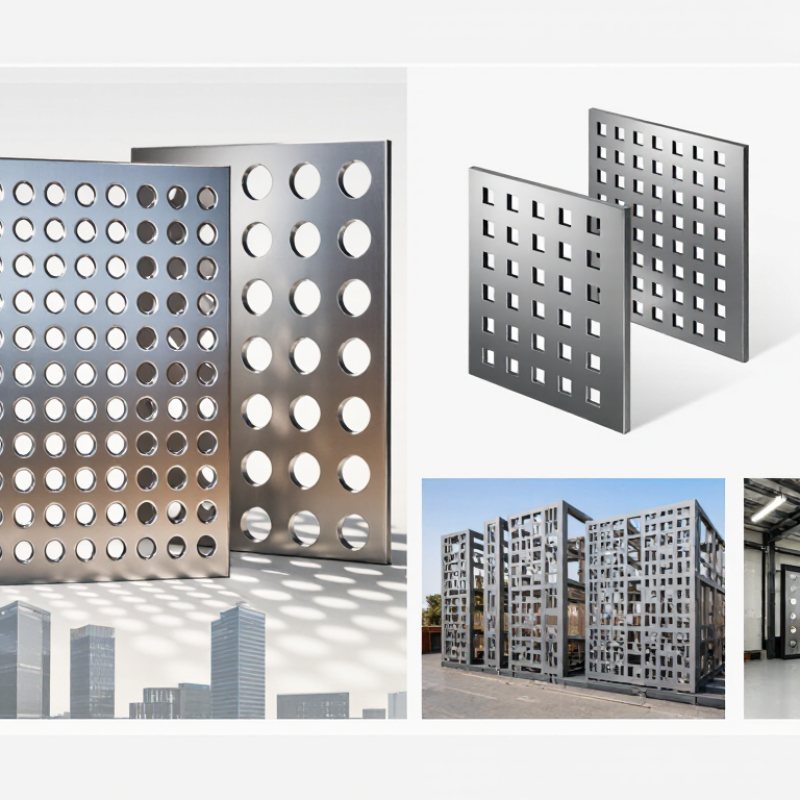
Perforated sheet metal panels are flat metal sheets punched with repeated openings. The holes may be round, square, slotted, or custom-shaped. Their open area changes light, airflow, weight, privacy, and sound behavior. Manufacturers usually calculate open area as a percentage of the total panel surface.

Common materials include galvanized steel, aluminum, and stainless steel. Aluminum suits lightweight façades, while galvanized steel offers practical strength and cost control. Stainless steel performs well where moisture and cleaning are serious concerns. A 2024 report from Grand View Research identifies construction as a major application area for perforated metal, supported by demand for ventilation, shading, and decorative façades.

The panel is more than decoration. Engineers use hole diameter, pitch, thickness, and open-area ratio to influence airflow and solar exposure. For example, a dense pattern can reduce glare, while larger openings improve visibility and ventilation. The World Steel Association reports that construction and infrastructure consume roughly half of global steel demand, showing why efficient metal systems matter. Acoustic claims still require testing under standards such as ISO 10140. A pattern that looks quiet may perform poorly.

Fabrication experience matters. Poor punching can create burrs, distortion, or uneven edges. Coating thickness also deserves inspection, especially on exterior panels. One practical weakness remains: designers sometimes choose patterns before checking drainage, fasteners, and maintenance access. That decision can create expensive revisions later.

How Are Perforated Metal Panels Manufactured in China?

China Top Perforated Sheet Metal Panels Manufacturer?

How Are Perforated Metal Panels Manufactured in China?

Manufacturing usually begins with material selection and technical review. Common options include galvanized steel, stainless steel, aluminum, and mild steel. Engineers check thickness, hole diameter, pitch, open area, and panel size before production. A small drawing error can affect the entire batch.

The sheet is often leveled and cut from coils or standard plates. CNC punching machines create repeated patterns with controlled spacing. Laser cutting suits unusual shapes, small quantities, or detailed edge designs. Tool wear matters. Experienced operators inspect hole edges during production, not only after completion.

Panels then pass through deburring, cleaning, and optional surface treatment. Powder coating, anodizing, or galvanizing may improve appearance and resistance. Quality teams measure hole size, center distance, flatness, diagonal dimensions, and coating thickness. They may also compare samples under consistent lighting. Packaging uses separators and protective film to reduce scratches during transport.

Production records should identify raw material batches, machine settings, inspection results, and packing details. This improves traceability and supports reliable repeat orders. Yet, no process is perfect. Large panels can warp slightly after finishing, especially when thin metal meets heat. That risk needs early review, not a rushed correction. Clear drawings, physical samples, and realistic tolerances usually prevent costly misunderstandings.

China Top Perforated Sheet Metal Panels Manufacturer? - How Are Perforated Metal Panels Manufactured in China?

Manufacturing Dimension Typical Technical Data Manufacturing Method or Consideration Quality-Control Check
Common Raw Materials Carbon steel, stainless steel, aluminum, galvanized steel, and weather-resistant steel Material is selected according to corrosion exposure, strength, weight, appearance, and forming requirements. Review material certificates, grade designation, thickness, surface condition, and chemical composition when required.
Sheet Thickness Approximately 0.5–12 mm for many architectural, industrial, filtration, and equipment applications The usable range depends on the metal grade, hole size, open area, panel dimensions, and selected equipment. Measure thickness at multiple points using a calibrated micrometer or thickness gauge.
Perforation Processes CNC punching, mechanical press punching, and laser cutting Punching is efficient for repeated patterns and larger production runs; laser cutting is suitable for prototypes, special shapes, and low-volume orders. Inspect hole geometry, burrs, deformation, pitch accuracy, and pattern alignment.
Hole Shapes Round, square, rectangular, slotted, hexagonal, triangular, and custom openings Round holes are widely used for screening and airflow; slots and custom shapes are chosen for directional flow, appearance, or special separation requirements. Compare the hole profile with approved drawings or digital inspection data.
Hole Diameter or Slot Size Common round-hole diameters include approximately 1–20 mm; larger or smaller sizes may be possible depending on thickness and material. A practical design normally considers the relationship between hole size and sheet thickness to reduce tearing, distortion, and excessive burr formation. Use calipers, optical measurement, or a vision system to verify representative openings.
Hole Pitch and Layout Straight-line, staggered, 60-degree triangular, and custom layouts Staggered and triangular patterns can provide a high open area, while straight-line layouts may simplify installation and visual alignment. Verify center-to-center pitch, edge distance, row alignment, and pattern orientation.
Open Area Often specified from approximately 20% to 60%, depending on hole size, pitch, shape, and layout For round holes in a 60-degree staggered pattern, open area is commonly estimated by the relationship: open area (%) ≈ 90.7 × (hole diameter ÷ pitch)2. Calculate the theoretical open area and confirm the pattern through dimensional inspection.
Edge Margin Solid margins are commonly added around the panel perimeter for handling, framing, fastening, and installation. The required margin depends on hole diameter, sheet thickness, mounting method, and the risk of edge tearing or distortion. Check the distance from the first hole to each edge and confirm corner geometry.
Panel Dimensions Standard sheet formats vary by material and mill; custom cut panels are commonly produced to project drawings. Panels may be cut by shearing, laser cutting, or other CNC methods after perforation, depending on the production sequence. Measure length, width, diagonal difference, squareness, and cut-edge condition.
Deburring and Flattening Deburring, brushing, roller leveling, and correction of punching distortion may be required. Perforation can create burrs and localized stress; leveling is particularly important for large panels and low-thickness sheets. Check sharp edges, flatness, waviness, and safe handling condition.
Secondary Fabrication Bending, rolling, framing, welding, riveting, countersinking, and hole or slot modifications Secondary operations are selected according to the final assembly, load requirements, bend radius, and perforation location. Inspect bend angle, weld quality, joint strength, dimensional recovery, and damage to the surface finish.
Surface Finishes Mill finish, hot-dip galvanizing, electro-galvanizing, powder coating, painting, anodizing, and stainless-steel finishing The finish should match the service environment, desired appearance, cleaning requirements, and corrosion-protection level. Check coating coverage, adhesion, color consistency, surface defects, and protected cut edges where applicable.
Dimensional Tolerances Tolerances are defined by the material standard, fabrication method, panel size, and approved technical drawing. Tighter tolerances generally require controlled tooling, additional inspection, and potentially higher production cost. Use the agreed drawing and applicable standards as the acceptance criteria rather than relying on general estimates.
Applicable Standards Common references may include ASTM, EN, ISO, JIS, or GB/T standards, depending on the material and project location. The required standard should be stated before production to align material grade, testing, tolerances, coating, and documentation. Review inspection reports, material certificates, coating records, and traceability documents.
Final Inspection and Packaging Final checks normally cover quantity, dimensions, hole pattern, flatness, finish, labeling, and packaging condition. Panels are typically separated with protective materials and secured to reduce scratching, bending, moisture exposure, and movement during transport. Approve samples or first articles where required and document nonconformities before shipment.

Note: The ranges shown are typical planning references rather than universal limits. Final values should be confirmed against the selected material, perforation pattern, applicable standard, and approved technical drawing.

What Defines a Top Perforated Sheet Metal Panel Manufacturer?

A top perforated sheet metal panel manufacturer is defined by measurable control, not attractive catalogs. In fabrication practice, hole accuracy often determines the final result. A slight pitch error can create visible alignment problems across a large façade. Reliable manufacturers control sheet thickness, open area, hole diameter, flatness, and edge quality during production. They also provide inspection records, material certificates, and clear tolerances.

Industry reports support this demand. Grand View Research identifies construction and architectural applications as major drivers of the global perforated metal market. Its market analysis also projects steady growth through the decade. Meanwhile, World Steel Association reported approximately 1.89 billion tonnes of global crude steel production in 2023. Large supply does not guarantee consistent panels. Process discipline still matters more than volume.

Tips: Ask for a production sample, not only a digital drawing. Check the actual hole pattern under side lighting. Request test data for airflow, acoustic performance, or coating adhesion when the project requires it. Confirm whether the manufacturer follows relevant ISO quality procedures and can trace each batch. A thoughtful supplier will discuss limitations honestly. This is important because no single panel design suits every building. I have seen attractive patterns reduce ventilation or create unwanted glare. That mistake is easy to overlook. A top manufacturer should question the specification when the evidence suggests a better solution.

Which Materials, Patterns, and Finishes Are Available?

China Top Perforated Sheet Metal Panels Manufacturer?

Material selection shapes durability, appearance, and installation cost. Aluminum is lightweight and resists corrosion, making it suitable for façades, ceilings, and screening. Stainless steel offers stronger impact resistance and a clean architectural surface. Carbon steel costs less, but it needs reliable galvanizing or protective coating. For outdoor projects, request technical data, thickness options, and corrosion test results before approval. Small samples help expose problems early.

Patterns control light, airflow, privacy, and visual rhythm. Round holes provide balanced ventilation. Square holes create a more structured appearance. Slotted patterns can guide airflow or support acoustic concepts. Custom geometric designs add identity, yet they may increase tooling costs and waste. Open area matters. A dense pattern may look attractive but reduce ventilation more than expected. Dimensions should be checked against framing, fasteners, and panel deflection.

Tips: Compare actual samples under daylight and indoor lighting. Check edges for burrs, warping, and uneven holes. Confirm coating thickness and color tolerance in writing. For coastal or industrial locations, choose corrosion-resistant materials and suitable finishes. Powder coating offers many colors, while anodizing preserves aluminum’s metallic character. PVDF-type finishes may support demanding exterior applications, but specifications must be verified. I would not approve panels from drawings alone; even experienced teams sometimes overlook reflected glare or cleaning access.

How Can Buyers Evaluate Quality, Compliance, and Service?

Choosing a top perforated sheet metal panel manufacturer in China requires more than comparing prices. Buyers should inspect production experience, technical control, and documented performance. Ask how the factory manages hole diameter, pitch, edge distance, and sheet flatness. A useful sample should show clean perforations, limited burrs, and consistent spacing. Measure it yourself. Do not rely only on photographs. During a factory visit, review punching or laser equipment, calibration records, and inspection sheets. Small details matter.

Quality evidence should match the project environment. Request material certificates, coating data, dimensional reports, and corrosion-resistance test records when needed. Confirm the metal grade and thickness independently. Compliance also deserves careful checking. Ask whether products meet the destination market’s building, fire, environmental, and worker-safety requirements. Requirements vary by application and country. Written declarations are helpful, but traceable test reports are stronger. A credible supplier should explain limitations clearly instead of promising universal compliance. That honesty is valuable.

Service becomes visible after the order is placed. Evaluate drawing review, sample approval, packaging, lead-time control, and replacement procedures. Ask who handles technical questions and how quickly revisions are recorded. Export packaging should protect corners and finished surfaces from moisture and impact. Request photos before shipment, but retain an inspection plan on arrival. No supplier is flawless. Even experienced teams may miss a tolerance or delay a response. What matters is whether they disclose problems, correct them, and prevent repetition. A short trial order can reveal more than a polished presentation.