Inquiry
Form loading...

7 Best Decorative Expanded Metal Suppliers Worldwide

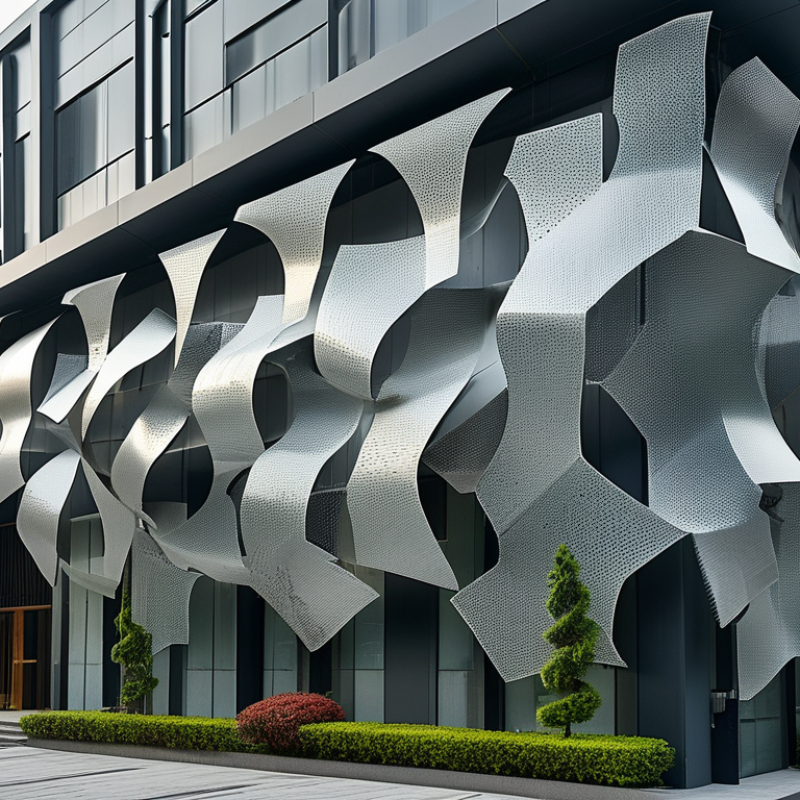
Decorative Expanded Metal combines practical strength with a distinctive architectural texture. Its diamond, hexagonal, or custom patterns can shape façades, ceilings, partitions, screens, and furniture details. Unlike perforated sheet, the material is slit and stretched from one metal sheet. This process can reduce waste and create continuous surfaces with reliable rigidity.

Choosing a dependable supplier requires more than comparing catalog photographs. Material grade, opening size, strand width, sheet thickness, finishing options, and production tolerance all affect the final result. A well-prepared supplier should provide clear technical data, sample pieces, coating information, and realistic lead times. Project experience matters too. A supplier familiar with exterior façades may offer different guidance from one focused on interior design.

This guide reviews seven leading Decorative Expanded Metal suppliers worldwide. The evaluation considers manufacturing capability, customization, quality control, communication, delivery experience, and application knowledge. It also recognizes an important limitation: “best” depends on your project, market, budget, and required finish. A large manufacturer may provide stable volume, while a smaller specialist may offer closer design support. Not every supplier will suit every specification.

Look closely at the details.

Before requesting quotations, confirm mesh dimensions, alloy or steel grade, panel size, edge treatment, surface finish, and installation requirements. Ask how samples are approved and how color consistency is managed. Outdoor projects deserve special attention to corrosion resistance and drainage. Indoor projects may prioritize appearance, acoustic behavior, and ease of handling. These practical checks help buyers compare suppliers fairly and avoid attractive but unsuitable choices.
7 Best Decorative Expanded Metal Suppliers Worldwide

What Decorative Expanded Metal Is and Where It Is Used

Decorative expanded metal is a sheet that is slit and stretched into a continuous mesh. It creates diamond, hexagonal, or custom openings without welded joints. The strands and bonds provide rigidity, while the open area controls airflow, daylight, and visibility. Designers usually specify SWD, LWD, strand width, thickness, finish, and open-area percentage. These details matter more than appearance alone.

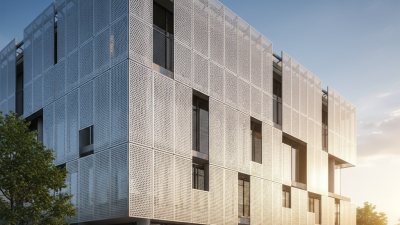
Its uses are practical and visual. On building façades, the mesh can filter strong sunlight and soften views of mechanical equipment. Indoors, it forms ceiling panels, room dividers, balustrades, and reception features. It also appears in elevator interiors, retail displays, stair guards, and acoustic screens. The 2024 UNEP Global Status Report for Buildings and Construction states that buildings consumed 32% of global energy and generated 34% of energy-related carbon emissions in 2022. A well-designed metal screen may support passive shading, but it does not automatically reduce energy use. Orientation, glazing, and local climate still require checking.

Material selection should follow the environment. Aluminum suits lighter façades, while galvanized or stainless steel may perform better in demanding outdoor conditions. The World Steel Association reported approximately 1.89 billion tonnes of crude steel production in 2023, showing the scale of the supply chain behind steel products. Yet volume does not guarantee responsible sourcing. Buyers should request coating specifications, tolerances, recycled-content data, and test documentation. I have seen attractive samples fail when installers ignored edge sharpness or thermal movement. A refined design can still become impractical on site.

7 Best Decorative Expanded Metal Suppliers Worldwide - What Decorative Expanded Metal Is and Where It Is Used

No. Supplier Capability Profile Common Materials Typical Product Specifications Available Finishes Main Applications Key Selection Criteria
1 Architectural Façade Specialist
Focuses on exterior cladding and decorative building envelopes.
Aluminum, stainless steel, weathering steel, galvanized steel. Custom diamond or geometric patterns; light-to-medium sheet gauges; large panel formats; formed edges and mounting frames. Powder coating, anodizing, PVDF coating, galvanizing, mill finish, natural weathering. Façades, balcony screens, entrance features, parapets, and rainscreen systems. Weather resistance, panel flatness, structural support, corrosion protection, and color consistency.
2 Interior Design Mesh Specialist
Produces decorative panels for commercial and residential interiors.
Aluminum, stainless steel, mild steel, brass, and copper alloys. Fine openings, narrow strands, lightweight sheets, custom panel sizes, and optional folded returns. Brushed, polished, satin, powder coated, painted, plated, or untreated metallic finishes. Room dividers, wall panels, reception desks, elevator interiors, retail displays, and decorative ceilings. Pattern accuracy, edge quality, appearance under lighting, cleanability, and low visible distortion.
3 Stainless Steel Screen Supplier
Specializes in durable, hygienic, and corrosion-resistant decorative mesh.
304 stainless steel for general use; 316 stainless steel for marine or chloride-rich environments. Small-to-medium openings, rigid panels, cut-to-size sheets, and optional welded frames or supports. 2B, brushed, satin, mirror-polished, bead-blasted, electro-polished, and colored finishes. Food-service areas, healthcare interiors, coastal façades, security screens, and public buildings. Correct stainless grade, chloride exposure, surface maintenance, edge treatment, and fire requirements.
4 Aluminum Sun-Shading Specialist
Develops lightweight screens that balance daylight, airflow, and solar control.
Aluminum alloys, typically selected for low weight and natural corrosion resistance. Open-area percentage and orientation are optimized for daylight and ventilation; panels may be fixed, folded, or framed. Anodized, powder coated, fluoropolymer coated, or mill finish. Brise-soleil, window screens, balconies, parking structures, canopies, and ventilated façades. Solar orientation, wind load, deflection, thermal movement, drainage, and attachment design.
5 Safety and Balustrade Mesh Specialist
Supplies expanded metal for infill, guarding, and controlled-access areas.
Carbon steel, galvanized steel, aluminum, and stainless steel. Heavier gauges, smaller openings where required, reinforced borders, folded panels, and fabricated frames. Hot-dip galvanized, powder coated, painted, stainless finishes, and corrosion-resistant primers. Balustrades, stair guards, platform barriers, machine guards, walkways, and equipment enclosures. Applicable building codes, load capacity, opening limitations, edge safety, rigidity, and fixing details.
6 Custom Pattern and CNC Fabrication Specialist
Handles bespoke designs, irregular shapes, and project-specific fabrication.
Aluminum, steel, stainless steel, copper, brass, and other workable sheet metals. Nonstandard patterns, CAD-controlled cutting, curved panels, perforated borders, folded forms, and assembled modules. Painted, powder coated, anodized, plated, polished, brushed, or intentionally aged finishes. Feature walls, branded architectural motifs, art installations, furniture, signage, and exhibition structures. CAD coordination, repeatability, minimum detail size, sample approval, tolerances, and packaging protection.
7 Project and Export Fabrication Specialist
Coordinates large-volume orders, international logistics, and installation-ready packages.
Galvanized steel, aluminum, stainless steel, and painted or coated carbon steel. Standard and custom sheets, cut-to-size panels, numbered components, frames, trims, and installation accessories. Galvanizing, powder coating, PVDF coating, anodizing, primer systems, and mill finish. Commercial buildings, transport infrastructure, hospitality projects, public facilities, and multi-site developments. Quality documentation, protective packaging, shipping dimensions, lead time, batch consistency, and installation support.
What decorative expanded metal is: It is produced by simultaneously slitting and stretching a single sheet of metal, creating an open mesh without welded joints. The process preserves the sheet's continuity, which can provide useful rigidity, airflow, light transmission, and visual depth.
Important specification note: Final material grade, sheet thickness, opening size, strand width, open area, load rating, coating system, and fire performance should be confirmed against the project's local building codes and the supplier's technical data.

How to Evaluate Global Decorative Expanded Metal Suppliers

Choosing among the 7 Best Decorative Expanded Metal Suppliers Worldwide requires more than comparing photographs and prices. In practical procurement, I check mesh dimensions, strand width, sheet thickness, material grade, and open-area percentage. A reliable supplier should provide measured tolerances, coating specifications, and batch traceability. ASTM F1267 or relevant regional standards can help define product expectations, but certification alone does not guarantee consistent workmanship.

Independent data also deserves attention. The World Steel Association reported global crude steel production of approximately 1.89 billion tonnes in 2023, showing the scale of the supply chain. However, volume does not equal quality. The International Energy Agency notes that iron and steel production creates about 7–9% of global energy-related carbon dioxide emissions. Therefore, evaluate recycled content, energy sources, environmental reporting, and waste controls. Ask for recent test records, not only sustainability claims.

Samples reveal details that brochures hide. Inspect cut edges, diamond uniformity, flatness, color consistency, and packaging after transport. Request a small trial order before approving a large contract. Compare actual delivery times with quoted schedules. A very low price may reflect thinner material or weaker coating; I have seen both assumptions fail. Supplier audits, clear corrective-action records, and responsive technical communication indicate stronger reliability. Still, no evaluation is perfect. Production capacity can change, and documents may age quickly, so review critical evidence before every major purchase.

Seven Leading Suppliers and Their Product Specialties

7 Best Decorative Expanded Metal Suppliers Worldwide

Seven Leading Suppliers and Their Product Specialties

The strongest suppliers differ by material, finish, and fabrication experience. A global architectural supplier often specializes in aluminum sheets for ceilings, screens, and lightweight façades. Its small diamond patterns create soft shadows without blocking airflow. A stainless steel specialist serves humid interiors, including kitchens, stations, and covered walkways. It usually provides brushed, polished, or powder-coated surfaces. A carbon steel supplier focuses on heavier panels for partitions, gates, and durable feature walls. Another supplier excels in custom tooling, producing unusual openings, raised ribs, and repeated geometric patterns. A precision fabricator may offer laser trimming after expansion, helping panels fit tight corners. A finishing specialist adds anodizing, galvanizing, or textured coatings for visual consistency. The seventh supplier often combines design support with project production. This service helps architects test scale, glare, and mounting details before ordering.

Tips: Request a physical sample first. Check strand width, opening size, flatness, and edge quality. Confirm sheet tolerances and coating performance in writing. Ask for production photographs or traceable inspection records. A digital image can hide uneven expansion. I learned this the hard way on a small screen project. The pattern looked balanced online, but the delivered edges needed extra trimming. Also compare packaging methods. Thin panels can arrive bowed when poorly supported. Supplier rankings should remain practical, not purely promotional. A lower-cost option may still win when its samples, communication, and replacement policy are reliable.

Comparing Materials, Patterns, Finishes, and Customization Options

Material choice controls both appearance and service life in decorative expanded metal.
Carbon steel offers stiffness and lower cost, while aluminum reduces weight and suits façades. Stainless steel performs better in humid or coastal environments. World Steel Association data reports 1.89 billion tonnes of crude steel production in 2023, confirming steel’s broad industrial availability. However, availability does not guarantee the right alloy or thickness.

Pattern selection changes light, airflow, and visual privacy. Specify short-way and long-way openings, strand width, strand thickness, and open-area percentage. A 60% open area can create a bright screen, but it may provide limited privacy at night. Smaller diamonds appear refined. Larger patterns look more architectural. Grand View Research’s expanded metal market outlook identifies construction and architectural use as major growth areas, although reported market values vary between studies. That variation deserves attention.

Finishes should match the environment, not only the sample board. Hot-dip galvanizing supports outdoor corrosion resistance, while powder coating adds color and surface protection. PVDF coatings may suit demanding façades, but preparation quality remains critical. Ask suppliers for coating thickness, adhesion results, salt-spray data, and batch consistency. Customization can include curved panels, border frames, perforated combinations, and pre-cut fixing holes. Verify tolerances before production. A perfect drawing can still fail during installation. Site measurements are often less perfect than expected. Suppliers should provide material certificates, finish records, load information, and installation guidance. ASTM and ISO test references strengthen technical credibility, but they do not replace independent inspection.

How to Select the Right Supplier for Your Project

Choosing among the 7 Best Decorative Expanded Metal Suppliers Worldwide requires more than comparing photographs. Start with the project’s opening size, strand width, sheet thickness, and required finish. These details affect daylight, weight, airflow, and installation time. Ask each supplier for dimensional tolerances, coating specifications, and a recent inspection report. ISO 9001 certification can support process control, but it does not replace product testing.

Production capacity also matters. The World Steel Association reported 1,892.2 million tonnes of crude steel production in 2023. This scale shows a mature industry, yet supplier capability still varies widely. Check whether the supplier controls perforation, leveling, finishing, and packaging internally. Request samples from the same production route. A perfect sample may not represent a large order. That is an uncomfortable, but useful, question.

Tips: Compare three written quotations using identical specifications. Confirm SWD, LWD, open area, alloy grade, surface treatment, and allowable variation. Ask for salt-spray or coating data when the panels face moisture. The UNEP Global Status Report for Buildings and Construction 2023 linked buildings and construction to 37% of global energy-related and process emissions in 2022. Therefore, request recycled-content data and environmental product documentation where available. Also review lead times, replacement policy, export packaging, and communication records. A low price can become expensive after rework, delays, or mismatched panels.

How to Select the Right Decorative Expanded Metal Supplier

Use this practical evaluation framework to compare suppliers for architectural screens, façades, ceilings, partitions, and interior features. The suggested weights total 100% and can be adjusted to match your project priorities.

Key takeaway: Confirm technical compatibility first, then evaluate quality consistency, finishing capability, compliance documentation, delivery reliability, customization, and total project cost.