2026 Best Perforated Metal Mesh Options for Global Buyers?
The demand for perforated metal mesh is experiencing robust growth across various sectors globally. According to a recent market report by Research and Markets, the perforated metal market is projected to grow at a CAGR of 4.5% from 2023 to 2030. This trend highlights the increasing reliance on perforated materials for their aesthetic appeal and functional benefits.
Perforated metal mesh serves diverse applications, including architecture, filtration, and acoustics. Its versatility is changing how industries approach design and functionality. In industries like construction and aerospace, the need for lightweight yet durable materials is pivotal. Selecting the right type of perforated metal mesh can enhance product performance while maintaining compliance with safety standards.
As we approach 2026, global buyers are tasked with navigating a myriad of options. Understanding the specific needs of their projects is essential. Factors like hole size, thickness, and material type must be considered carefully. Some manufacturers offer extensive customization, which can sometimes lead to inconsistent quality. It's crucial for buyers to reflect on their choices and prioritize suppliers with solid reputations in the perforated metal mesh industry.

Best Types of Perforated Metal Mesh for Various Applications
Perforated metal mesh is a versatile material with numerous applications across various industries. In construction, it is often used for facades and sunshades. According to recent industry reports, the demand for perforated metal in buildings has increased by 4.3% annually. This growth highlights its role in improving energy efficiency and aesthetic appeal.
The manufacturing sector also relies heavily on perforated metal. It is used in filtration, acoustic panels, and safety guards. A study indicated that the automotive industry accounts for nearly 30% of the perforated metal market. This usage enhances vehicle lightweighting, which contributes to fuel efficiency. However, challenges remain in sourcing quality grades of this material.
In architecture, the customization aspect is significant. Designers often seek specific hole patterns, sizes, and thicknesses to match their visions. Inadequate understanding of manufacturing capabilities can lead to misalignment between design expectations and final products. Hence, acquiring a well-informed supplier is crucial for project success. As the trends evolve, it is vital for buyers to stay updated on the latest innovations in perforated metal mesh.
Key Factors to Consider When Selecting Perforated Metal Mesh
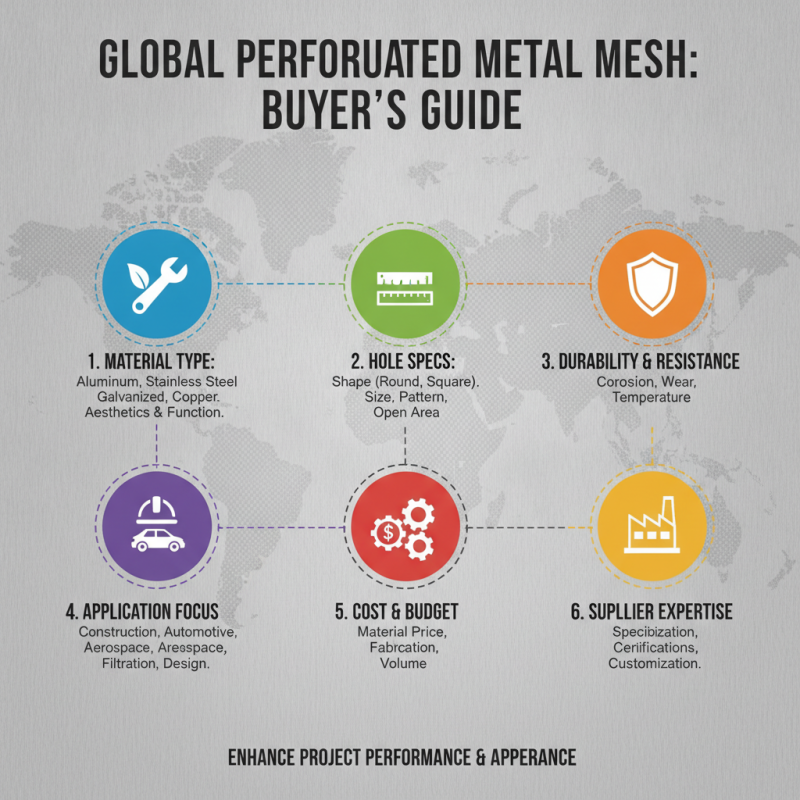
When selecting perforated metal mesh, several key factors demand attention. The material type is crucial. Choices include stainless steel, aluminum, and carbon steel. Each has distinct properties and applications. Reports suggest stainless steel is preferred in corrosive environments, while aluminum is favored for lightweight structures.
Hole size and pattern are vital as well. They affect airflow, drainage, and aesthetics. Studies indicate varied hole configurations can enhance functionality. For instance, larger holes provide better drainage but may compromise structural integrity. Trade-offs often arise, requiring careful evaluation of intended use.
Thickness plays a significant role in durability. Thicker meshes are more resilient but may weigh significantly more. Some projects may not warrant the extra weight for minimal gain in strength. It's essential to weigh the pros and cons based on specific applications. Considering these factors can lead to more informed decisions in the selection process for perforated metal mesh.
2026 Best Perforated Metal Mesh Options: A Comparative Analysis
Comparative Analysis of Material Options for Perforated Metal Mesh
When considering perforated metal mesh, the choice of material is pivotal. Common options include stainless steel, aluminum, and carbon steel. Stainless steel offers durability and resistance to corrosion. It is ideal for applications in harsh environments. Aluminum, on the other hand, is lightweight and easy to work with. It's often chosen for architectural designs due to its aesthetic appeal. Carbon steel is cost-effective but may require protective coatings for longevity.
Different projects demand different materials. For instance, outdoor installations might benefit from stainless steel’s resilience. However, aluminum could be more suitable for indoor use where weight is a concern. The thickness of the mesh also plays a crucial role. A thicker mesh will generally provide more strength but can add weight to the structure.
Tips for selecting the right material include evaluating your project's environment. Think about exposure to moisture and chemicals. Also, consider the visual aspect if aesthetics are crucial. Lastly, consult suppliers about specific applications and material properties. This way, you can avoid potential mistakes that may lead to costly revisions down the line. Always ask for samples before making a large order.
Global Suppliers of Perforated Metal Mesh: A Comprehensive Guide
When it comes to choosing perforated metal mesh, buyers should consider multiple factors. Various materials, such as aluminum and stainless steel, offer different aesthetics and functionalities. Selecting the right mesh can enhance both the performance and appearance of a project. Some suppliers specialize in specific applications. They may focus on industries like construction, automotive, or aerospace.
It’s essential to investigate global suppliers thoroughly. Many can provide custom solutions tailored to specific needs. Quality control is a critical aspect that buyers should prioritize. Examine supplier credentials and past projects for insights. Some companies may claim expertise without the backing to support it.
Exploring a range of options will help buyers make informed decisions. Documenting past experiences with suppliers may highlight strengths and weaknesses. Take time to reflect on the features that matter most for your project. Ultimately, informed choices lead to better outcomes and enhanced quality of products.
Innovative Uses and Trends in Perforated Metal Mesh Design
The trend towards perforated metal mesh design is rapidly evolving. With applications in architecture, industrial sectors, and art installations, this material offers both functionality and aesthetic appeal. According to the latest industry report, the global market for perforated metal is projected to reach $2 billion by 2026, representing a 5% annual growth rate. Such data underscores the increasing demand for innovative design solutions.
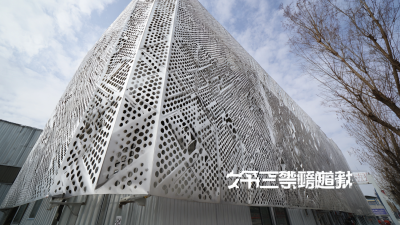
Architectural trends highlight the creative use of perforated metal in building facades. This application promotes energy efficiency and sun control. Many designers leverage the lightweight nature of perforated sheets for dynamic structures. However, the challenge remains in balancing aesthetics with structural integrity. Innovative designs often push the boundaries, but might compromise durability or practicality.
Industrial applications, too, are seeing notable changes. Perforated steel is increasingly used in manufacturing processes, such as filtering and separation. New technologies in production are facilitating custom perforation patterns, allowing for greater flexibility. Yet, there is a need for caution. Over-customization could result in higher costs and longer lead times, which could deter potential buyers. Exploring the sweet spot between customization and practicality is key for future success in this market.