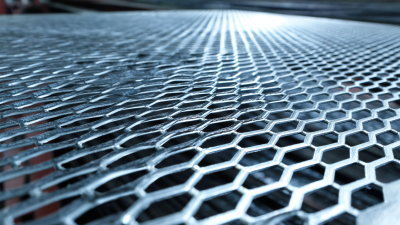
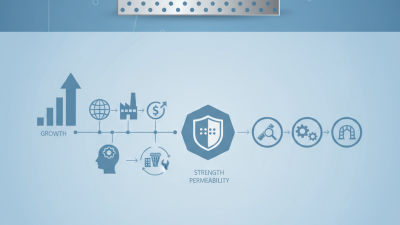
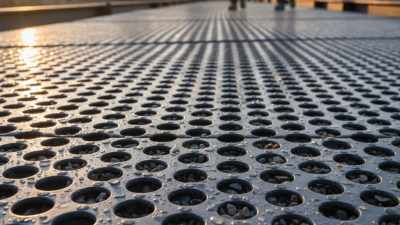
Perforated metal mesh is gaining traction in various industries due to its versatility and functionality. According to a report by Grand View Research, the global perforated metal market is projected to reach USD 4.51 billion by 2025, showcasing robust growth. This material serves applications in construction, automotive, and filtration sectors. Experts highlight its durability and aesthetic appeal.
David Chen, a leading expert in advanced materials, states, "Perforated metal mesh combines strength with design flexibility." His insights reflect a growing appreciation for how this material enhances both performance and visual attributes in modern architecture.
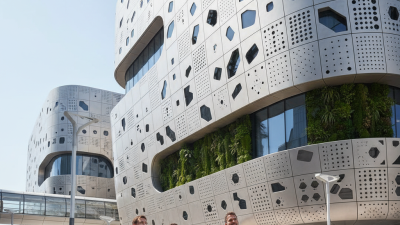
Applications of perforated metal mesh range from eco-friendly building facades to noise reduction panels in urban areas. Its ability to regulate airflow while maintaining visibility is invaluable. Despite its many benefits, challenges exist in terms of production consistency and meeting specific design requirements. The evolving technology in perforation techniques aims to address such issues, pointing to an exciting future for perforated metal mesh.
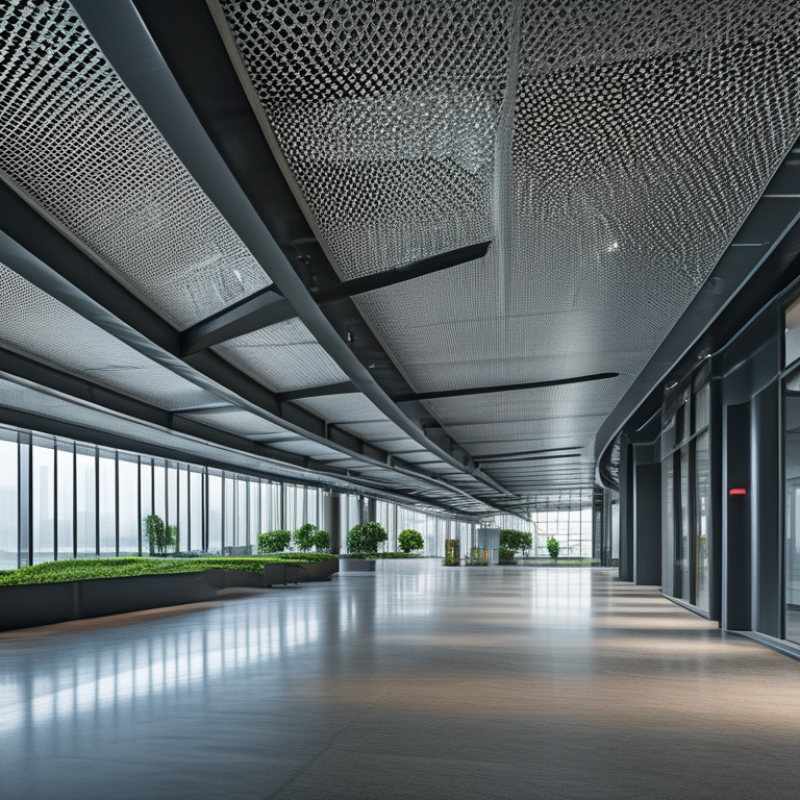
Perforated metal mesh is a versatile material commonly used in various industries. It consists of thin sheets of metal that have been punched with holes, creating a pattern. The size and spacing of the holes can vary, leading to different applications. Industries use perforated metal for everything from filtration to architectural elements. One key advantage of perforated metal mesh is its ability to allow airflow and light while providing strength. This makes it popular for facades, screens, and partitions. Architects appreciate how it enhances aesthetic appeal while serving functional purposes. Additionally, its lightweight nature helps reduce structural loads.
Tips for choosing perforated metal include considering the hole size based on your application. Smaller holes work well for filtration, while larger ones can enhance visibility or ventilation. Think about the material's finish too. A galvanized surface protects against corrosion, extending the lifespan of the product.
Another point to reflect on is durability. While perforated metal is strong, it may show wear over time. Regular inspections can help identify any deterioration early. Educating yourself about maintenance can ensure the longevity of your installation. This attention to detail is crucial for optimal performance and safety.
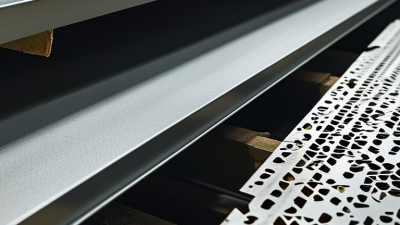
Perforated metal mesh is a versatile material used widely in various industries. The manufacturing process begins with a flat sheet of metal. This sheet undergoes a precise punching process, creating holes in different patterns and sizes. The size of the holes and the spacing between them can vary significantly. These variations impact the mesh's strength, weight, and aesthetic appeal.
Key characteristics include durability and corrosion resistance. Perforated metal can be made from stainless steel, aluminum, or carbon steel. Each type offers unique benefits, such as resistance to rust or increased load-bearing capacity. The holes in the mesh provide airflow, making it suitable for ventilation systems. Designers appreciate its customizability, as it can be tailored to meet specific project requirements.
However, not all perforated metal is created equal. Quality can greatly differ depending on the manufacturer. Some may focus more on cost than on integrity, leading to variations in hole accuracy and spacing. This inconsistency can affect the overall performance of the material in its intended application. Therefore, thorough research is essential when selecting a supplier for perforated metal mesh. Avoiding shortcuts in quality ensures that the final product will perform as expected over its lifespan.
Perforated metal mesh is a versatile material, commonly used in various industries. The choice of materials for its production significantly influences its performance and application. Steel, aluminum, and copper are among the most widely utilized metals. According to industry reports, steel remains the dominant choice due to its strength and cost-effectiveness. It is estimated that over 40% of perforated metal products are made from steel.
Aluminum follows closely in popularity. Its lightweight nature and corrosion resistance make it ideal for decorative applications. In fact, about 30% of perforated metal mesh produced incorporates aluminum, primarily for architectural and aesthetic purposes. Furthermore, copper is gaining traction due to its antimicrobial properties. Although it currently accounts for a smaller share, estimates suggest an increase in demand, particularly in healthcare settings.
Different materials create different outcomes. Each material has unique properties that affect durability, weight, and cost. It's essential to choose the right one for specific applications. Misjudging these aspects can lead to structural failures and increased maintenance costs. Rethinking material selection can enhance both functionality and aesthetic appeal, making it a critical consideration in design and engineering.
| Material | Properties | Common Applications | Thickness Range (mm) |
|---|---|---|---|
| Stainless Steel | Corrosion-resistant, durable, aesthetic | Architectural cladding, filters, security screens | 0.5 - 6.0 |
| Aluminum | Lightweight, corrosion-resistant, malleable | Ceiling panels, decorative features, ventilation | 0.3 - 5.0 |
| Mild Steel | Strong, cost-effective, easily fabricated | Industrial applications, stair treads, guards | 0.5 - 10.0 |
| Copper | Antimicrobial properties, good conductivity | Architectural elements, decorative applications | 0.4 - 3.0 |
| Brass | Corrosion-resistant, attractive color | Decorative screens, lighting fixtures | 0.3 - 5.0 |
Perforated metal mesh is a versatile material with numerous applications across various industries. Its design typically features holes in a precise pattern, providing both aesthetic appeal and functional benefits. In architecture, perforated metal can be used for facades or interior designs, allowing natural light while maintaining privacy. This ability to balance light and shadow enhances visual appeal in commercial designs.
In the automotive and aerospace industries, perforated metal plays a critical role. It is used for various components, such as air filters, heat shields, and even acoustic panels. These applications leverage the material's lightweight properties and durability. While the benefits are clear, there are challenges to consider, such as ensuring adequate strength and stability for specific uses.
Moreover, the industrial sector utilizes perforated metal for safety barriers and machine guards. It provides visibility while protecting workers from moving parts. However, the choice of hole size and pattern must align with safety standards, which can be complex. Striking the right balance between functionality and safety becomes a crucial consideration in these applications.
Perforated metal mesh is gaining popularity in architectural design and engineering. Its unique properties make it a versatile choice for various applications. This material allows for light and air to flow through, enhancing both aesthetic appeal and functionality. It can be used in facades, ceilings, and even as partitions, offering creative freedom to architects.
The benefits of using perforated metal mesh in design are significant. Firstly, it provides an excellent balance between strength and weight. This feature allows designers to create bold structures without compromising on stability. Additionally, the material is highly customizable. It can be manufactured in various hole sizes and patterns, accommodating different design visions.
Avoiding common pitfalls is essential. Ensure the perforation pattern complements the overall design. Also, consider the environmental impact of your material choice. Perforated metal mesh is often recyclable, but assessing the lifecycle is important. The right approach can contribute to sustainable design practices.