How to Choose the Right Perforated Metal Mesh for Your Needs?
Choosing the right perforated metal mesh can seem challenging. Experts like John Smith, a leading figure in the metalworking industry, emphasize its importance. He stated, "The right perforated metal mesh transforms projects and enhances functionality."
When selecting perforated metal mesh, multiple factors play a role. The size and shape of the holes affect airflow and visibility. Different materials also impact durability and weight. It's crucial to consider specific project requirements.
Many overlook the slight differences in perforation patterns. A subtle change can significantly alter performance. Therefore, understanding the application is vital. Knowing how each type of perforated metal mesh works is key to making an informed decision. Evaluating both aesthetic and practical needs will guide you. Avoid common pitfalls by seeking advice from experienced professionals.
Understanding Perforated Metal Mesh and Its Applications
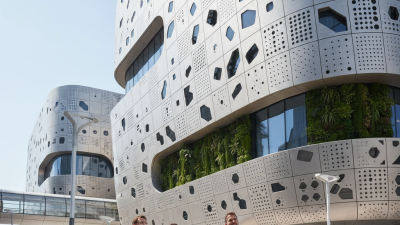
Perforated metal mesh is a versatile material widely used in various industries. Its design features holes of different sizes and patterns. This allows for unique applications, from industrial filtration to architectural aesthetics. Understanding these characteristics helps in selecting the right type for your project.
When considering perforated metal mesh, think about its purpose. Are you looking for lightweight panels for decorative screens? Or do you need a sturdy mesh for exhaust and ventilation? Characteristics such as hole size, thickness, and material type play vital roles. For example, larger holes provide greater airflow, while smaller ones allow for filtration.
It’s important to realize that not every type suits every need. Some applications might demand more strength than others. Take time to evaluate your specific requirements. Consult with experts to clarify doubts. Ensuring the proper type is used can save time and money in the long run. The right choice often comes from both knowledge and experience.
Key Factors to Consider When Choosing Perforated Metal Mesh
When choosing perforated metal mesh, several key factors come into play. The first is material type. Common options include stainless steel, aluminum, and carbon steel. Each material offers distinct benefits. For example, stainless steel is known for its resistance to corrosion. Aluminum, being lightweight, is often chosen for applications requiring mobility. Carbon steel is frequently used for its strength and affordability.
Hole size and pattern also greatly affect performance. Larger holes allow for superior airflow or drainage but reduce structural integrity. Conversely, smaller holes provide strength but limit airflow. According to a recent industry report, 75% of engineers prioritize hole size for applications in filtration systems.
**Tips:** Consider the environment where the mesh will be used. Is it exposed to harsh weather? Durability may be crucial in that case. Always evaluate the load-bearing requirements.
Lastly, think about the finish. A powder-coated finish can enhance both aesthetics and durability. This finish increases resistance to scratches and environmental factors. Understand that choosing the right perforated metal mesh demands careful consideration and nuanced understanding. Reflect on all these factors to make an informed choice.
How to Choose the Right Perforated Metal Mesh for Your Needs? - Key Factors to Consider When Choosing Perforated Metal Mesh
| Factor |
Description |
Example Applications |
| Material |
Choose between stainless steel, aluminum, and carbon steel based on durability and corrosion resistance. |
Architectural cladding, industrial filters |
| Hole Size |
Determine the appropriate hole size for your application, affecting airflow and aesthetic appeal. |
Ventilation covers, decorative panels |
| Thickness |
Select thickness based on strength requirements and weight considerations. |
Safety barriers, heavy-duty shelving |
| Pattern |
Consider various perforation patterns for different functionalities and visual effects. |
Acoustic panels, custom signage |
| Finish |
Choose a surface finish for enhanced appearance and increased corrosion resistance. |
Decorative metalwork, outdoor applications |
Different Types of Perforated Metal Mesh Available in the Market
Perforated metal mesh is essential in many industries. The type you choose can impact your project’s success. Different types of perforated metal mesh are available, each with unique applications. Understanding these options is key.
Steel and aluminum are common materials for perforated metal. Steel offers strength and durability. According to a recent industry report, around 65% of perforated metal products are made from steel. Aluminum is lightweight and resistant to corrosion, making it suitable for outdoor applications. Less frequently, materials like plastic and copper also serve specialty purposes.
Hole size, pattern, and thickness matter too. A study noted that products with large holes are often more affordable but less effective for filtration. Smaller holes provide better control over airflow and light, but they may increase costs. Mesh patterns vary widely, impacting both aesthetics and performance. Balancing these factors is essential for choosing the right perforated metal for specific needs. Evaluating the trade-offs is necessary for optimal results.
Analyzing Material Options for Perforated Metal Mesh
When selecting perforated metal mesh, considering material options is crucial. Common choices include aluminum, stainless steel, and carbon steel. Each material has unique properties that influence durability, aesthetics, and functionality. Aluminum offers lightweight and corrosion resistance, making it ideal for indoor applications. Stainless steel, known for its strength and resistance to rust, is often preferred in external environments where exposure to the elements is a concern. Carbon steel, while generally less resistant to corrosion, provides a cost-effective solution for many industrial applications.
The thickness and hole size must also be considered. Thicker materials offer greater strength but can add weight. Smaller holes provide more privacy but may limit airflow. Striking the right balance is essential for achieving the desired performance. Additionally, surface finish can impact both appearance and longevity. A polished surface can enhance aesthetics but may require more maintenance. Reflecting on these choices helps ensure that the selected perforated mesh meets both functional and visual requirements. Careful analysis during the selection process can prevent costly mistakes later.
Evaluating Customization Options for Specific Needs
When choosing perforated metal mesh, customization options play a crucial role. Different applications require distinct perforation sizes, patterns, and materials.
For instance, a construction project may need larger holes for airflow, while a decorative piece may opt for intricate patterns. Understanding these needs ensures functional and aesthetic effectiveness.
Customization also extends to material choice. Options include aluminum, stainless steel, or carbon steel. Each material comes with its pros and cons.
Aluminum is lightweight and resistant to corrosion, while stainless steel offers strength and durability. Think about the environment where the mesh will be placed.
Factors like exposure to moisture or chemicals can influence material selection.
However, not all suppliers provide extensive customization options. Some may limit designs or materials available. Researching suppliers and understanding their capabilities can prevent disappointment.
Ensuring they meet specific needs requires initiative. Evaluating your unique requirements will lead to a better final product. Take time to analyze and reflect on what you truly require.