Best Perforated Aluminum Sheet Options for Global Buyers?
In the world of industrial materials, the demand for perforated aluminum sheets has risen significantly. According to a report by Grand View Research, the global aluminum market size was valued at over $160 billion in 2021. Perforated aluminum sheets are vital due to their lightweight, durability, and versatility. These sheets find applications in various sectors like architecture, aerospace, and automotive industries.
With an expected annual growth rate of 5.2% from 2022 to 2030, the popularity of perforated aluminum sheets is undeniable. They offer solutions for ventilation, aesthetics, and privacy. Different hole patterns and sizes cater to diverse customer needs. However, sourcing high-quality perforated aluminum sheets can be challenging.
Buyers must navigate through numerous suppliers and options to find the best sheets that meet their specifications. Quality variations exist, even among reputed manufacturers. It’s important for buyers to consider the supplier's experience and expertise. With careful research and attention to detail, global buyers can make informed decisions in the competitive market for perforated aluminum sheets.
Overview of Perforated Aluminum Sheets and Their Applications
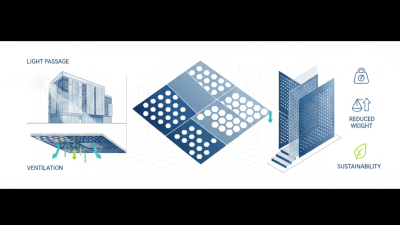
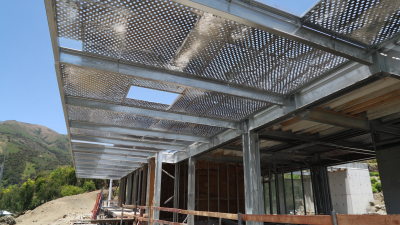
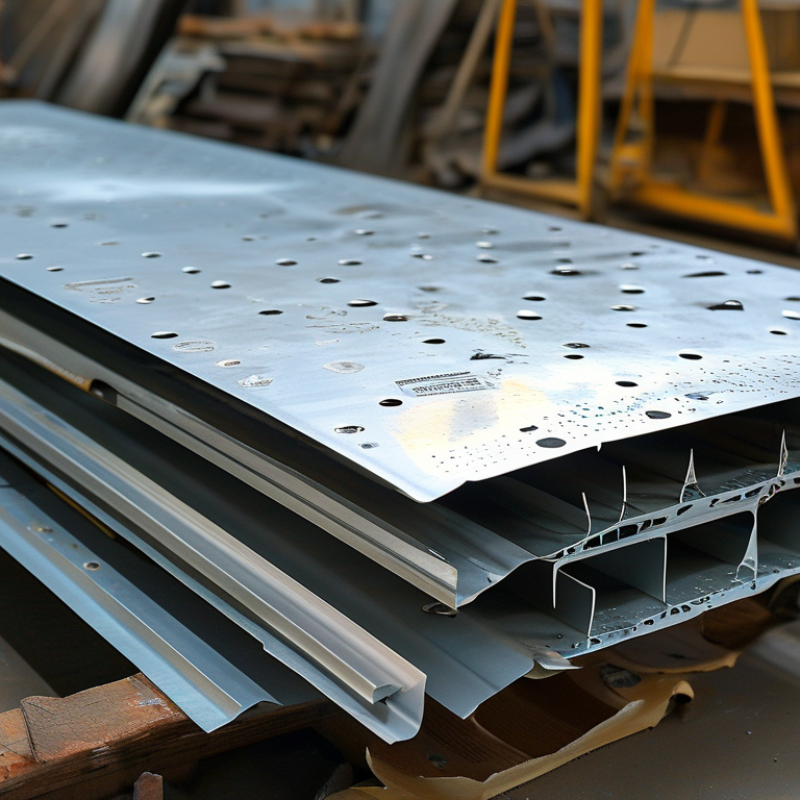
Perforated aluminum sheets have become increasingly popular in various industries due to their lightweight nature and versatility. Their unique design allows for air, light, and sound to pass through while providing structural integrity. Applications vary widely, from architectural facades and ceiling tiles to industrial filters and sound barriers. The available hole patterns and sheet thicknesses cater to diverse aesthetic and functional needs.
When considering perforated aluminum sheets, it’s essential to evaluate the specific requirements of your project. Assess factors such as hole size, spacing, and thickness to ensure optimal performance. It’s beneficial to seek samples before making a large purchase. This helps visualize how the sheet will fit into your design or application.
Choosing the right supplier can also be crucial. Not all vendors offer the same quality or customization options. Look for companies with a solid reputation and experience in producing perforated materials. Reading reviews and requesting references can provide valuable insights into their reliability and expertise.
Key Factors to Consider When Choosing Perforated Aluminum Sheets
When choosing perforated aluminum sheets, consider the material's strength and weight. Aluminum is lightweight yet durable. According to a report by the Aluminum Association, aluminum's strength-to-weight ratio is one of the highest among commonly used metals. This makes it ideal for applications where weight reduction is crucial.
Another important factor is the hole pattern and size. The perforation can affect airflow, aesthetics, and structural integrity. Data from the International Aluminum Institute shows that various hole sizes can increase the material's strength up to 20%. Buyers must analyze the intended use case for optimal results. For instance, larger holes may be suitable for ventilation, while smaller holes are better for filtering.
Finally, finish and corrosion resistance are crucial. A recent study by the Metal Finishing Association highlighted that untreated aluminum can corrode over time, potentially reducing lifespan. Consumers should consider additional coatings or treatments to enhance durability. These aspects can greatly influence the overall performance and longevity of the aluminum sheets.
Top Manufacturers of Perforated Aluminum Sheets in the Global Market
When exploring the global market for perforated aluminum sheets, identifying top manufacturers is crucial. These manufacturers play a significant role in quality, innovation, and availability. They often specialize in diverse applications, ranging from architectural designs to industrial uses. The best manufacturers are known for their advanced technology and reliable supply chains. They can offer custom solutions to meet specific project requirements.
Consider the design and hole patterns you need. Different manufacturers excel in various perforation techniques. Some focus on aesthetic options, while others prioritize functionality. It's vital to understand your needs before selecting a supplier.
Consulting with experts can enhance your choice. They often provide insights based on the latest industry trends. Be open to feedback on your project specifications. This collaborative approach can lead to better solutions and improved outcomes. Keeping up with new developments in materials and technologies can be beneficial as well.
Best Perforated Aluminum Sheet Options for Global Buyers
| Specification |
Thickness (mm) |
Hole Diameter (mm) |
Open Area (%) |
Finish Type |
Applications |
| Standard |
2.0 |
10 |
30 |
Mill Finish |
Architectural Facades |
| Micro |
1.5 |
5 |
20 |
Anodized |
Acoustic Panels |
| Heavy Duty |
3.0 |
15 |
40 |
Powder Coated |
Industrial Applications |
| Decorative |
2.5 |
8 |
25 |
Brushed Finish |
Furniture and Interiors |
| Custom |
1.0 |
12 |
35 |
Custom Coating |
Outdoor Structures |
Comparative Analysis of Popular Perforated Aluminum Sheet Products
Perforated aluminum sheets are increasingly favored in various industries due to their versatility and functionality. Data from recent market analyses reveal that the demand for perforated materials continues to rise, primarily driven by the construction and automotive sectors. For instance, the global perforated metal market is projected to grow at a CAGR of approximately 5.4% from 2021 to 2026. This growth is attributed to the lightweight nature of aluminum and its ability to integrate aesthetic appeal with practical applications.
When comparing popular products, consider factors such as hole size, sheet thickness, and finish type. A report from industry experts indicates that perforated sheets with smaller holes are often preferred for sound attenuation applications. Sheets with larger perforations tend to be used for ventilation and aesthetic purposes. Moreover, the thickness of the sheet influences its durability and resistance to deformation, which are critical factors in environments with heavy usage.
While many options exist, buyers should reflect on their specific requirements. Inadequate assessment of material properties can lead to suboptimal choices that might affect performance. An example includes selecting aesthetic designs that lack sufficient structural support. By understanding the nuances of these products, buyers can make informed decisions that meet both functional and aesthetic goals.
Sustainability and Recycling in Perforated Aluminum Sheet Production
Sustainability is becoming increasingly important in various industries, including the production of perforated aluminum sheets. Aluminum, being lightweight and durable, is already a popular choice for many applications. However, one key aspect that enhances its appeal is its recyclability. Recycling aluminum saves about 95% of the energy required to produce new aluminum from raw materials. This efficiency significantly reduces the environmental footprint.
Manufacturing perforated aluminum sheets presents unique challenges. The production process generates waste, and not all facilities efficiently manage that waste. It is crucial for manufacturers to embrace sustainable practices. This includes using advanced techniques that minimize scrap and ensure that any excess material is recycled. Some facilities may lack the technology or commitment to these practices, leading to unnecessary waste.
Another consideration is sourcing responsible materials. Not all aluminum is created equal. Buyers should consider the origin of the aluminum used. Certain suppliers prioritize sustainable sourcing and transparency. There remains room for improvement in industry standards, particularly around tracking the lifecycle of aluminum products. The focus on sustainability must intensify.