Perforated Screen Panels Tips for Effective Sourcing and Use?
Perforated screen panels are essential tools in various industries, from construction to manufacturing. Their versatility and functionality make them invaluable. However, sourcing and utilizing these panels effectively requires careful consideration.
Understanding the right specifications is crucial. Different projects demand unique perforation patterns and materials. Knowing these details can lead to better performance and longevity. Many fail to ask key questions before purchasing. What size do I need? Which material suits my environment? These questions can prevent costly mistakes.
Effective use of perforated screen panels can enhance workflow and product quality. However, neglecting to assess installation and maintenance can diminish their advantages. It's important to acknowledge that improper usage can lead to significant issues. Reflecting on experiences with past projects can reveal areas for improvement, ensuring better future outcomes.
Perforated Screen Panels: Understanding Material Selection and Specifications
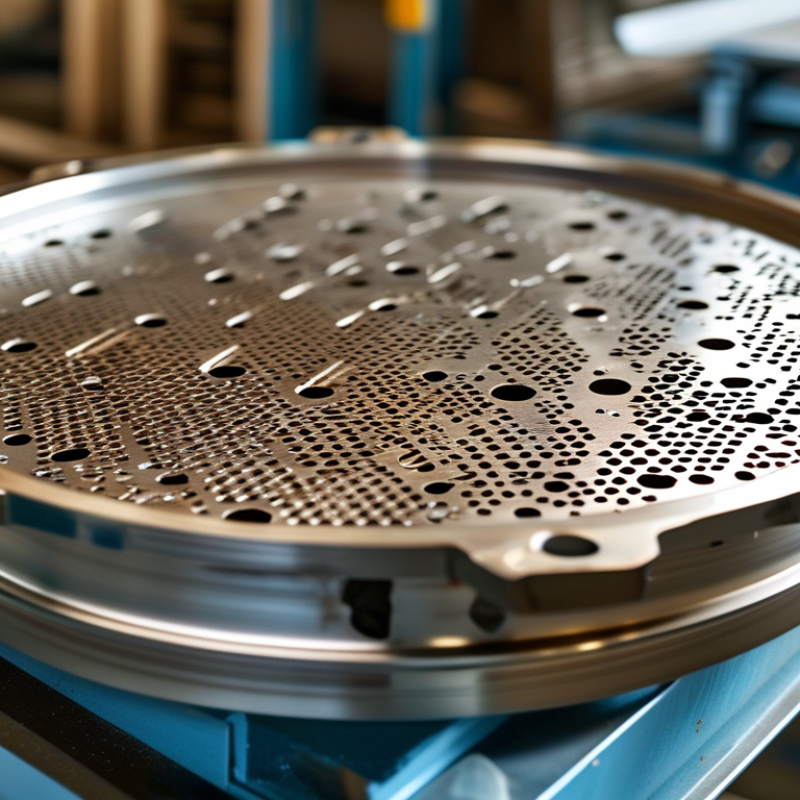
When sourcing perforated screen panels, material selection is crucial. The type of material affects durability, performance, and functionality. Common materials include stainless steel, aluminum, and plastic. Stainless steel is resistant to corrosion, making it ideal for harsh environments. However, it can be heavy and more expensive. Aluminum is lightweight and more cost-effective, but it may not have the same strength as steel. Plastic options provide corrosion resistance and flexibility but usually lack strength.
Specifications are also key to effective use. Panel thickness, hole size, and spacing dictate both aesthetic and functional outcomes. Finer holes might restrict airflow, while larger holes could compromise structure. Finding the balance is essential. It's worth noting that not all materials perform the same under stress. Evaluating the performance of materials in real-world conditions can lead to better choices.
Many users overlook the impact of hole pattern on functionality. Different patterns can alter light transmission and airflow rates. Despite available information, practical testing remains essential. The ideal panel often requires careful consideration and sometimes trial and error. Each environment may present unique challenges, making an informed choice vital for success.
Key Factors Influencing Sourcing Decisions for Perforated Screen Panels
When sourcing perforated screen panels, several key factors play a vital role in decision-making. Material choice is crucial. Different applications demand various materials like stainless steel, aluminum, or plastic. For instance, stainless steel is preferred for its durability and resistance to corrosion in harsh environments. According to industry reports, over 45% of manufacturers prioritize material properties in their sourcing decisions.
Cost and price competitiveness also significantly influence sourcing. A recent analysis highlights that nearly 30% of companies focus on cost reduction strategies when selecting suppliers. Yet, balancing cost with quality is essential. Low-cost options may lead to compromised durability, resulting in higher long-term expenses due to replacements or repairs.
Supply chain reliability cannot be overlooked. A dependable supplier ensures timely deliveries and consistent quality. In fact, studies show that 65% of buyers prioritize supplier reputation over other attributes. Engaging with well-reviewed suppliers improves sourcing outcomes, yet many businesses still struggle with vendor assessment processes. This gap illustrates the need for a more robust approach to supplier evaluation to fortify the sourcing strategy further.
Industry Standards: Quality Control in Perforated Screen Panel Production
Quality control in perforated screen panel production is vital for ensuring durability and performance. These panels must meet specific industry standards to withstand various environmental conditions. Factors like material choice, hole pattern design, and edge finishing significantly impact the final product. Not every manufacturer adheres to these standards, leading to discrepancies in quality. It's essential to choose suppliers who focus on quality at each production stage.
When sourcing perforated screen panels, consider seeking certifications from recognized industry bodies. Verify that manufacturers perform rigorous testing on their products. This not only guarantees adherence to quality standards but also enhances reliability in their application. Without proper quality checks, you risk receiving panels that may not perform as expected.
Pay attention to design specifications. Not all perforation patterns are created equal, and they can influence airflow and filtration efficiency. A poorly designed pattern can lead to unexpected failures. Additionally, inspect samples before placing large orders. Being proactive in this aspect can save time and resources in the long run.
Cost Analysis: Budgeting for Perforated Screen Panels in Projects
When considering perforated screen panels for your projects, a thorough cost analysis is essential. These panels can vary widely in price based on their materials, size, and design complexity. Establishing an accurate budget will help you allocate resources effectively. Analyze your project requirements against various options to find the best value.
Selecting the most suitable perforated screen panels involves understanding your project's needs. Look for panels that offer durability without compromising on aesthetics. Consider the long-term maintenance costs, as some finishes may require more upkeep than others. A clearer projection of costs can prevent unexpected expenses during installation.
Experiment with a few design prototypes before finalizing selections. This might include different hole sizes and patterns. Adjustments can lead to better functionality or a more appealing visual effect. Researching supplier reliability also plays a crucial role. Be cautious about low-cost options that may sacrifice quality. Request samples and assess their performance before making bulk orders.
Best Practices for Installation and Maintenance of Perforated Screen Panels
When it comes to the installation and maintenance of perforated screen panels, several best practices emerge. Proper installation begins with accurate measurements. Panels that fit well ensure optimal performance in various applications, like filtration and ventilation. Misalignment can lead to operational inefficiencies and costly downtimes. A study from the Journal of Industrial Engineering & Management indicates that improper installation can reduce productivity by up to 20%.
Maintenance is equally crucial. Regular inspections can detect wear and tear before they escalate into larger issues. It’s recommended to clean perforated panels every six months. This routine helps to maintain airflow and maximize efficiency. Corrosion and obstruction can happen over time, jeopardizing performance. Data from the Association of Equipment Manufacturers shows that 15% of equipment failures stem from neglecting routine maintenance.
Consideration of operating conditions is necessary. High humidity or corrosive environments affect lifespan. Choosing suitable materials can significantly enhance longevity. Documenting all installation steps and maintenance activities fosters accountability and can inform future projects. Engaging with industry resources and manuals deepens better practice understanding. This ongoing learning enhances skills, reinforcing the importance of sourcing quality panels in the long run.