Why Choose Perforated Screen Panels for Your Project Needs?
In the world of construction and design, choosing the right materials can make all the difference. Perforated screen panels have gained considerable attention for their versatility and functionality. Industry expert, Dr. Emily Stroud, emphasizes their importance: "Perforated screen panels enhance both aesthetics and performance in any project." This statement highlights the growing recognition of these panels in modern applications.
Perforated screen panels are not just practical; they offer unique design opportunities. These panels can improve ventilation, reduce noise, and control light penetration. Their customizable designs allow them to fit various architectural needs. However, selecting the right panel requires careful consideration. Different hole patterns and materials can significantly impact their performance.
At times, the sheer variety may seem overwhelming. It’s essential to reflect on whether the chosen panel aligns with project requirements. Engaging with knowledgeable suppliers can help navigate this complexity. Ultimately, integrating perforated screen panels can elevate a project, but the selection process must be approached thoughtfully.
Understanding Perforated Screen Panels and Their Applications
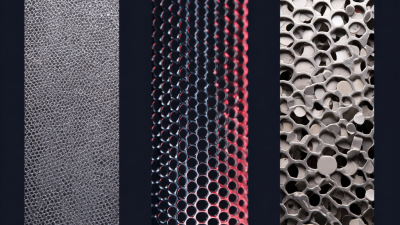
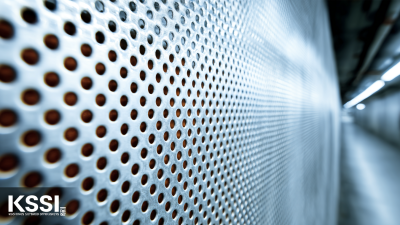
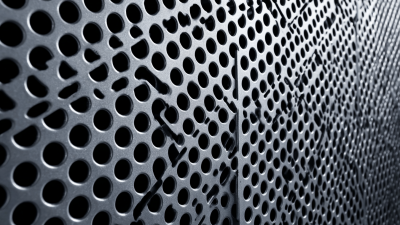
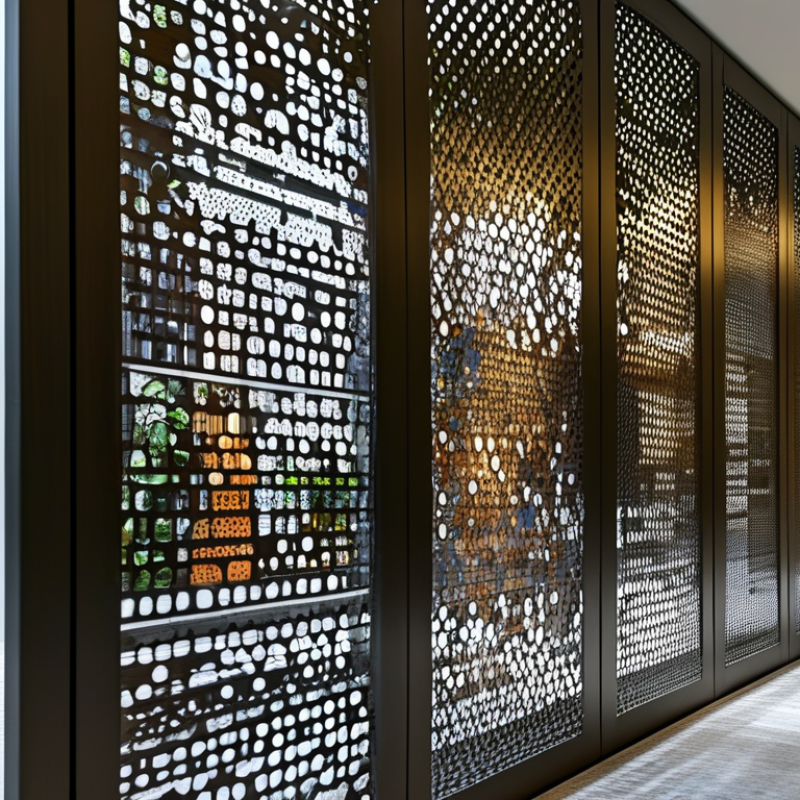
Perforated screen panels are versatile components in various industries. These panels are created with holes in them, which can vary in size and pattern. This design allows for airflow, light penetration, and even sound attenuation. Architects and engineers often choose them for both functional and aesthetic applications.
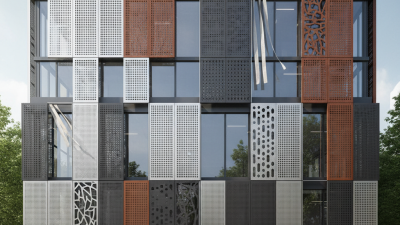
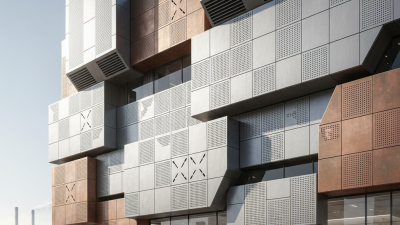
In construction, perforated panels serve multiple purposes. They can be used for facades, creating visually appealing designs while allowing ventilation. In industrial settings, they help in the separation of materials. Their ability to filter particles makes them ideal for manufacturing processes. However, not every project benefits from these panels. Choosing the wrong material or hole pattern can lead to inefficiencies and higher costs.
Beyond their functionality, the materials used in perforated panels play a critical role. Steel, aluminum, and plastic are popular choices, each offering unique advantages. Steel provides strength and durability, whereas aluminum is lightweight and corrosion-resistant. Some projects may require more innovative solutions, pushing the boundaries of traditional design. It’s essential to assess the specific needs of each project before making a decision.
Benefits of Using Perforated Screen Panels in Various Projects
Perforated screen panels offer significant advantages in various construction and design projects. Their versatility allows them to be used in applications ranging from architectural facades to industrial filtration systems. According to a report from the Architectural Institute of America, these panels can improve airflow and reduce energy consumption by up to 20%. This efficiency makes them a favorite among architects and engineers.
One notable benefit is the aesthetic appeal. Perforated panels can be customized with different hole sizes and patterns. This flexibility enables designers to create unique visual effects. The demand for sustainable solutions is rising, and perforated panels often use recyclable materials. A study by the Global Environmental Institute shows that using such materials can reduce overall project waste by 30%. However, it is essential to consider the durability of these materials in specific environments.
While perforated screen panels are advantageous, they are not without challenges. Their effectiveness can vary significantly based on application and design choices. One must reflect on the specific needs of a project, as poorly designed panels can lead to issues like reduced structural integrity or inadequate filtering. Ensuring proper installation and maintenance is crucial for maximizing their potential benefits. In conclusion, when utilized thoughtfully, perforated screen panels can be a powerful asset in any project.
Benefits of Using Perforated Screen Panels
Factors to Consider When Choosing Perforated Screen Panels
When selecting perforated screen panels for your project, several factors must be considered. Material choice plays a crucial role. Options like metal, plastic, or composites each have unique properties. Metal panels offer durability and strength, while plastic may be lighter and easier to handle. Consider the environment where the panels will be installed. They must withstand specific weather conditions or chemical exposure.
Another important aspect is the hole pattern and size. Different designs impact light transmission, airflow, and aesthetic appeal. A larger hole may facilitate more airflow but could compromise privacy. Conversely, a denser pattern offers enhanced privacy but can limit visibility. Think about your project's goals. What effect do you want to achieve? Design flexibility is key here.
Lastly, maintenance needs should not be overlooked. Some materials require more upkeep than others. Think about how often you can clean and check the panels. If the location poses accessibility challenges, choose panels that minimize maintenance. Reflecting on these factors ensures that your choice of perforated screen panels aligns with your project’s functional and aesthetic objectives. Making informed decisions will lead to better outcomes.
Types of Materials Used for Perforated Screen Panels
Perforated screen panels are a versatile solution for various projects. Different materials are used to create these panels, offering distinct advantages. Aluminum is a popular choice due to its lightweight and corrosion-resistant properties. According to the Aluminum Association, aluminum can reduce structural costs by up to 50% in certain applications. This makes it suitable for both indoor and outdoor uses.
Steel is another common material for perforated screen panels. It provides high strength and durability, especially in harsh environments. Research by the American Institute of Steel Construction highlights that steel's tensile strength is nearly three times that of aluminum. However, it tends to be heavier and may require additional support, which can affect overall project costs.
Plastic perforated panels offer an alternative with unique benefits. They are often lighter than metal options and can be produced in various colors and designs. The Plastic Research Institute notes that these panels can withstand chemical exposure, making them ideal for specific industrial applications. However, the trade-off might include reduced strength compared to metal panels. Each material has its pros and cons, allowing project managers to choose based on their specific needs.
Why Choose Perforated Screen Panels for Your Project Needs? - Types of Materials Used for Perforated Screen Panels
| Material Type |
Advantages |
Applications |
Typical Thickness |
| Aluminum |
Lightweight, corrosion-resistant, easy to fabricate |
Architectural facades, HVAC applications |
0.020 - 0.125 inches |
| Steel |
Strong, durable, suitable for heavy-duty applications |
Industrial uses, security screens |
0.050 - 0.250 inches |
| Stainless Steel |
Excellent corrosion resistance, hygienic, long-lasting |
Food and pharmaceuticals, outdoor applications |
0.025 - 0.125 inches |
| Plastic |
Lightweight, resistant to moisture and chemicals |
Housing, filtration applications |
0.030 - 0.090 inches |
| Copper |
Antimicrobial properties, excellent conductivity |
Decorative elements, electrical enclosures |
0.020 - 0.125 inches |
Installation and Maintenance Tips for Perforated Screen Panels
When installing perforated screen panels, attention to detail is crucial. Begin by assessing the area where the panels will be placed. Proper measurements ensure a snug fit. Use a level and mark your points before drilling. This reduces errors and saves time. Employ the right tools for a clean installation, as improper equipment can lead to damage.
Maintenance is essential for longevity. Regularly inspect the panels for any signs of wear or clogs. Dust and debris can accumulate, obstructing airflow and decreasing efficiency. A simple cleaning routine can make a big difference. Use a soft brush or cloth to wipe down surfaces. If necessary, rinse with water, but ensure adequate drying. Sometimes, panels might need a deeper clean.
Consider your environment and exposure levels as they can affect the material's durability. Over time, certain conditions may weaken the panels. It’s wise to keep an eye on any changes. If the panels need replacement, weigh the benefits of different materials. Remember, learning from experience helps in making better choices for future projects.