How to Choose the Right Perforated Stainless Steel Mesh for Your Needs?
Choosing the right Perforated Stainless Steel Mesh can be challenging. The options are vast, and each type serves different purposes. Understanding your specific needs is crucial. This material offers strength and durability, making it popular in various industries.
Many factors influence your choice. For example, the gauge, hole size, and pattern must align with your project requirements. A well-chosen mesh enhances functionality. Yet, the wrong selection could lead to inefficiencies. It's important to assess the application it will serve.
Consider consulting with industry experts. They can provide valuable insights based on experience. Additionally, researching reliable suppliers is essential for quality assurance. Investing time in understanding the characteristics of Perforated Stainless Steel Mesh will yield better results. Take the time to reflect on your choices. Your project deserves the best material for success.
Understanding Perforated Stainless Steel Mesh Types and Their Uses
Perforated stainless steel mesh is essential across many industries. Selecting the appropriate type can significantly affect functionality and durability. The common types include architectural mesh, industrial mesh, and filtration mesh. Each type has unique properties catering to specific applications.
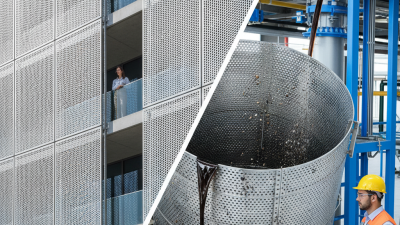
For example, architectural mesh is often used in facade design. Its aesthetic appeal enhances buildings while providing ventilation. According to industry reports, the architectural metal market is projected to grow by 7% annually. This indicates a rising demand for custom designs and higher-quality materials.
In industrial settings, the right perforation size is crucial. A mesh with smaller holes may provide better filtration for applications such as water treatment. Conversely, larger holes may be ideal for exhaust systems. Industry experts note that understanding the flow characteristics of the materials being processed helps in selecting the right mesh. Some designs may need adjustments to better fit specific needs. This highlights the importance of not just choosing a random type but evaluating the specific requirements for each application.
Key Factors to Consider When Selecting Perforated Stainless Steel Mesh
When selecting perforated stainless steel mesh, several key factors come into play. One of the most critical issues is the mesh's hole size and pattern. Meshes come in various designs, from round openings to square or custom shapes. According to industry reports, the choice of hole configuration can affect airflow and liquid passage rates significantly. A study indicated that specific hole patterns increased flow rates by 25%, making it crucial to align the design with intended applications.
Material thickness is another significant consideration. Thicker materials often offer better strength but may limit flexibility. Different grades of stainless steel, such as 304 or 316, have varying corrosion resistance and strength properties. For instance, 316 stainless steel provides improved resistance in marine environments compared to 304. This data suggests that environments must influence the material choice to ensure longevity and reliability.
Understanding the intended use is also vital. Whether for architectural purposes or industrial applications, the functional requirements must guide the selection process. Depending on the application, it is essential to consider factors like load-bearing capacity and aesthetic appeal. Some customers may overlook the importance of these elements, resulting in suboptimal choices. Each project has unique demands that should inform every decision.
Assessing Hole Size and Pattern for Optimal Performance
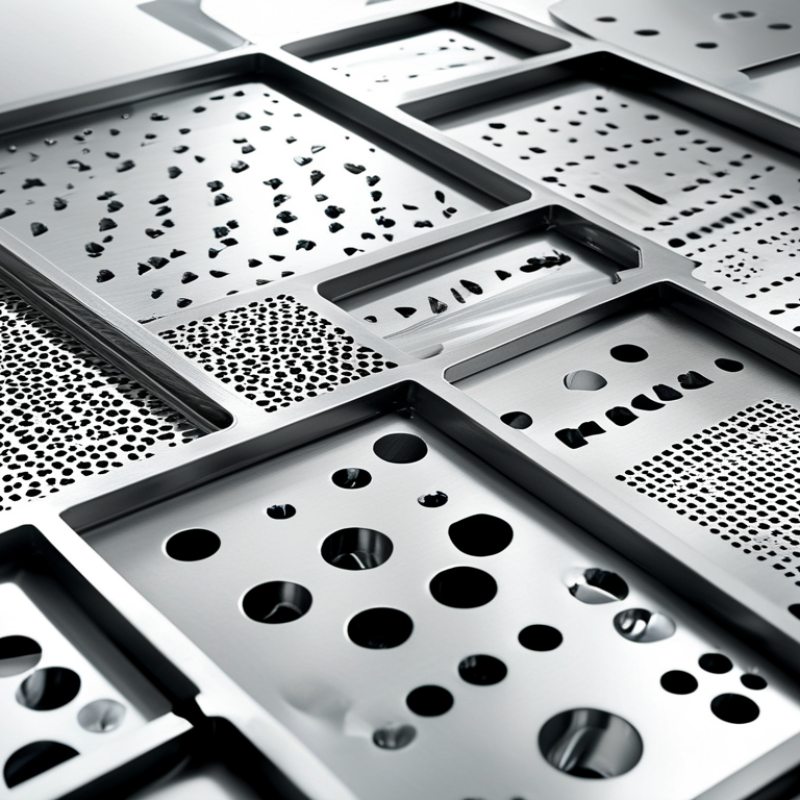
When selecting perforated stainless steel mesh, hole size and pattern are crucial for achieving optimal performance. The hole size determines the flow rate and retention characteristics. Smaller holes can filter out finer particles, while larger holes allow for greater fluid flow. Think about your application. A food processing facility might need different specifications than a construction site.
Patterns also serve a purpose beyond aesthetics. A staggered hole pattern may enhance strength or flexibility, which is key in applications involving dynamic loads. On the other hand, a straight hole pattern might be more suited for static environments. You should assess your needs carefully. Many overlook the impact of these details, leading to inefficient use of materials. Experimenting with different combinations can drastically change functionality, but this requires patience and thorough evaluation.
Remember to test samples before finalizing any decisions. Each use case is distinct. Engaging with professionals in the field can provide deeper insights. Make your choice based on careful analysis rather than assumptions. Doing so ensures that you are not just choosing the most aesthetically pleasing option, but the most effective one for your specific requirements.
Perforated Stainless Steel Mesh: Hole Size and Performance Analysis
Evaluating Material Thickness and Durability for Your Needs
When selecting perforated stainless steel mesh, understanding material thickness and durability is critical. A thicker mesh offers greater strength, making it suitable for heavy-duty applications. For instance, a 16-gauge mesh can withstand significant impact and is ideal for industrial use. On the other hand, thinner mesh might suffice for lighter tasks. Evaluating the right gauge for your specific needs is crucial.
Durability is influenced by various factors, including exposure to elements. In environments prone to moisture, a thicker, corrosion-resistant mesh is essential. It extends the mesh's lifespan and minimizes maintenance efforts. However, consider that thicker materials can be more challenging to work with. Thus, balance strength and flexibility based on your project requirements.
Common pitfalls include underestimating the impact of frequent use. Many users choose thickness based on initial impressions, neglecting long-term performance. Taking time to assess your environment and usage can prevent costly mistakes. Ask pertinent questions about your specific needs before making a decision. An informed choice leads to better outcomes in the long run.
Applications of Perforated Stainless Steel Mesh in Various Industries
Perforated stainless steel mesh finds extensive applications across various industries. Its durability and corrosion resistance make it ideal for manufacturing and construction. In the food industry, this material is used in filtering and sieving processes. It allows for airflow while retaining solid particles, enhancing food safety. Additionally, it serves as a barrier in processing plants, ensuring cleanliness without compromising production efficiency.
In the architectural sector, perforated stainless steel mesh is gaining popularity for facades and interior designs. Its aesthetic versatility allows architects to create visually striking structures while ensuring functionality. It can provide sun shading and enhance ventilation. However, not every pattern or thickness suits every application. Designers need to consider factors like load requirements and environmental impact carefully. Failure to do so can lead to structural issues or ineffective performance.
Another significant application is in waste management. Perforated stainless steel is frequently used in screening and sorting materials. Its robust nature withstands harsh conditions. Yet, the challenge lies in selecting the proper gauge and hole size for specific waste streams. A mismatch can result in ineffective segregation, underscoring the importance of thoughtful consideration during the selection process. Understanding the specific needs of each application is crucial for optimal performance.