10 Tips for Choosing Perforated Stainless Steel Mesh for Your Projects?
Choosing the right materials for your projects can significantly impact their success. Perforated Stainless Steel Mesh is an increasingly popular choice across various industries, from architecture to filtration. According to a market analysis by Grand View Research, the global demand for stainless steel mesh is expected to grow by over 5% annually in the coming years. This growth reflects its versatility, durability, and aesthetic appeal.
When selecting Perforated Stainless Steel Mesh, it's essential to consider factors such as hole size, thickness, and finish. Reports from the Steel Wire Reinforcement Association reveal that the right mesh can improve structural integrity while enhancing airflow and light penetration. However, not all manufacturers provide consistent quality. Some meshes may not perform as expected, leading to potential issues in safety and efficiency.
The journey to finding the perfect Perforated Stainless Steel Mesh involves careful evaluation. It's crucial to refer to industry standards and seek recommendations from experienced professionals. Take time to analyze specifications and real-life applications. A small oversight can lead to significant setbacks in your project. Hence, awareness of one's choices is integral to achieving optimal results in your endeavors.

Understanding Perforated Stainless Steel Mesh and Its Applications
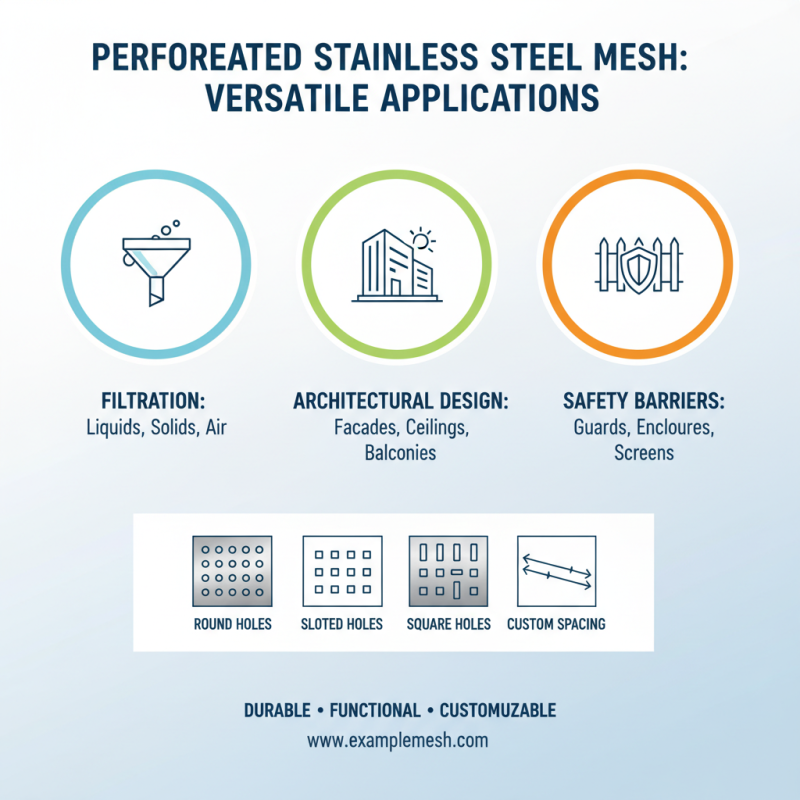
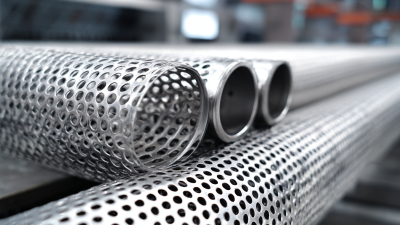
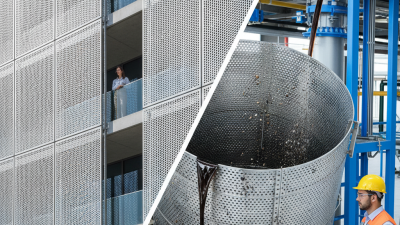
Perforated stainless steel mesh is a versatile material widely used in various industries. Its functionality and durability make it ideal for applications like filtration, architectural design, and safety barriers. Understanding its properties helps in making informed choices for your projects. The mesh is available in different hole sizes, shapes, and spacing, allowing for customization based on specific needs.
In filtration applications, the precision of hole size is crucial. Larger holes may allow unwanted substances to pass through, while smaller ones can restrict flow. Thus, sourcing the right mesh involves careful consideration of material requirements. Moreover, aesthetic applications in architecture benefit from the unique patterns formed by perforation. This can enhance the visual appeal of buildings while maintaining structural integrity.
Choosing the right perforated stainless steel mesh can be challenging. Sometimes, it may not perform as expected if the environmental factors are not considered. For instance, exposure to harsh chemicals could corrode some types. Therefore, consulting with experts or reviewing product specifications is vital. This approach ensures that your choice of mesh aligns with both aesthetic and structural needs.
Key Factors to Consider When Selecting Perforated Stainless Steel Mesh
When selecting perforated stainless steel mesh for your projects, a few critical factors come into play. Consider the mesh hole size. Smaller holes increase strength but limit airflow. Larger holes reduce strength while enhancing ventilation. Think about how these choices affect your design. Finding a balance is essential for functionality.
Material thickness is another essential consideration. Thicker materials offer greater durability but may also add weight. Weigh your project needs against these characteristics. The finish and corrosion resistance of the stainless steel can impact longevity, especially in harsh environments. A poorly chosen finish can lead to rust, compromising the mesh.
Evaluate the intended use of the mesh carefully. Different applications will have unique requirements, such as load-bearing or aesthetic needs. It’s not always easy to determine which features will best suit your project. Reflect on potential mistakes in previous selections. This will guide you in making better choices.
Analyzing the Importance of Hole Size and Pattern in Mesh Selection
When working with perforated stainless steel mesh, selecting the right hole size and pattern is crucial. The hole dimensions significantly affect both functionality and aesthetics. According to industry reports, perforation patterns can alter airflow and light transmission, influencing overall performance. For instance, a 4mm hole diameter optimizes ventilation, while a 2mm hole enhances visual appeal without compromising structure.
Tip: Assess the project's specific needs. If fluid dynamics are essential, larger holes may be favorable. However, smaller holes can provide better filtering and security.
Pattern choice also plays a vital role. Round holes are versatile, but square or elongated holes can yield different mechanical properties. Research suggests that altering the hole shape can improve tensile strength by up to 25%. This highlights the importance of understanding how patterns affect material behavior.
Tip: Analyze environmental conditions and load requirements. Choosing a mesh with a compatible pattern ensures durability and longevity in specific applications.
Ultimately, the interplay between hole size and pattern is not straightforward. Users must carefully weigh the options. Balancing aesthetics, function, and strength requires thoughtful assessment and testing.
Hole Size vs. Airflow Efficiency in Perforated Stainless Steel Mesh
Evaluating Material Grades for Durability and Corrosion Resistance
When selecting perforated stainless steel mesh for your projects, evaluating material grades is essential. Durability and corrosion resistance depend significantly on the grade of stainless steel used. Common grades such as 304 and 316 offer different levels of resistance. Grade 304 is more affordable but less resistant to corrosion, especially in marine environments. Grade 316, however, is often the better choice for exposure to saltwater.
Tip: Pay careful attention to the environment where the mesh will be used. If corrosion is a concern, opt for higher-grade materials. This can save you money in the long run by reducing the need for replacements.
Another consideration is the manufacturing process. The way stainless steel is processed affects its durability. Fabrics requiring higher strength for heavy-duty applications must be chosen wisely. Mesh with tighter perforations can sometimes provide more structural integrity.
Tip: Inspect the mesh for imperfections. Small flaws can lead to significant issues later. Always evaluate sample pieces to ensure they meet your project requirements. Understanding these factors will help you make an informed decision.
Assessing Cost vs. Quality: Finding the Right Balance for Your Project
When considering perforated stainless steel mesh for your projects, balancing cost and quality is essential. This material finds its applications across various industries, from architectural designs to filtration systems. While lower-priced options may seem attractive, they often lack durability and performance. Investing in higher-quality mesh can save money in the long run, minimizing replacements and maintenance.
A thorough assessment of the project requirements is vital. Will the mesh be exposed to harsh conditions? If so, opting for a higher-grade stainless steel becomes non-negotiable. Evaluate different suppliers and their offerings. Not all perforated mesh is created equal, and the risk of poor-quality material could compromise your project's success. Remember, a slight increase in upfront cost may lead to significant benefits through enhanced efficiency and longevity.
It's also crucial to consider the mesh's specific properties, like hole pattern and thickness. These factors can significantly influence both cost and functionality. While budget constraints are common, focusing solely on price can lead to poor decisions. Reflect on the project's needs, and prioritize quality where it counts. Each project is unique, and thus, a tailored approach to selecting your materials will yield the best results.