How to Choose Aluminium Perforated Panels for Your Design Needs?
When selecting an Aluminium Perforated Panel, understanding its potential is crucial. According to a report by Smithers Pira, the global demand for perforated materials is projected to reach over $80 billion by 2025. This statistic underscores the growing importance of perforated solutions across various industries. Aluminium perforated panels offer not only lightweight strength but also aesthetic versatility. They enhance architectural designs and functional applications.
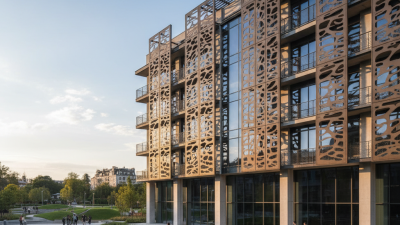
The design versatility of Aluminium Perforated Panels makes them suitable for both commercial and residential projects. Their ability to provide ventilation, natural light, and sound absorption adds to their appeal. Moreover, a study from the International Journal of Engineering shows that well-designed perforated panels can improve energy efficiency by up to 30%. This data presents a compelling argument for integrating these panels into modern architecture.
While the advantages are clear, choosing the right Aluminium Perforated Panel is not without challenges. Factors such as hole size, pattern, and thickness significantly impact performance and aesthetics. Designers must carefully evaluate their requirements and potential limitations when making choices. Recognizing the trade-offs in designs can lead to innovative solutions that reflect both function and style.
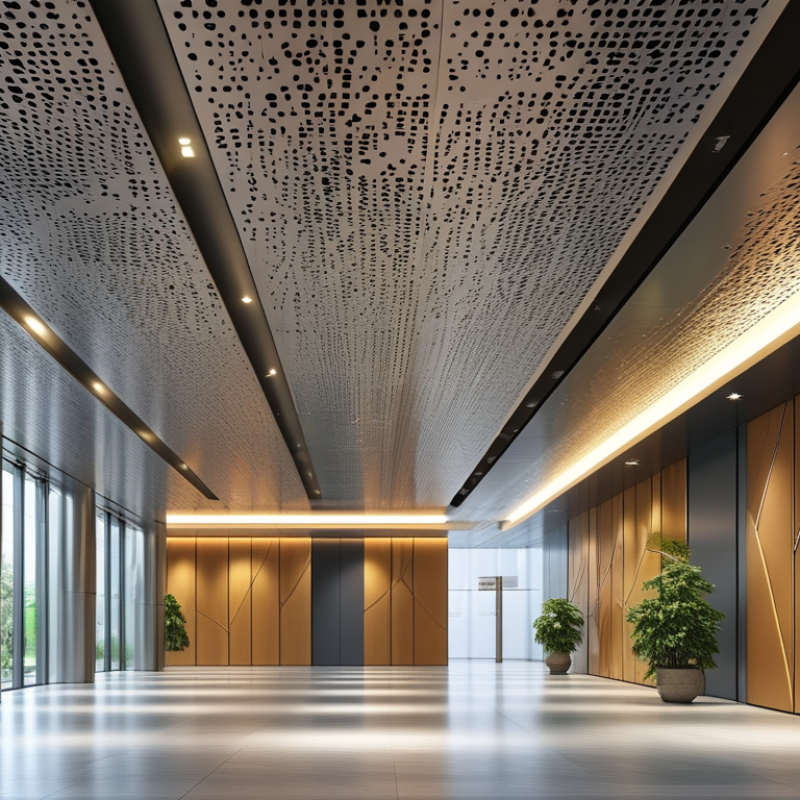
Understanding the Basics of Aluminium Perforated Panels
Aluminium perforated panels are versatile materials used in various designs. They can serve functional and aesthetic purposes. Understanding their basic features is vital when selecting them for your project. These panels come in different hole sizes, shapes, and patterns, which can impact their light filtering and sound absorption abilities.
The choice of aluminium perforated panels can depend on the intended application. For instance, larger holes may allow more airflow but reduce privacy. Smaller holes can enhance visual appeal without compromising functionality. The thickness of the panels also plays a role; thicker panels usually offer better durability but may limit flexibility in design.
While aluminium perforated panels are known for their durability, not every panel is suitable for all environments. Consider factors like weather conditions and exposure to corrosive elements. Reflect on your project's unique needs and the location's demands. This thoughtful approach will ensure that the chosen panels meet both aesthetic and functional expectations.
How to Choose Aluminium Perforated Panels for Your Design Needs?
| Dimension |
Thickness (mm) |
Hole Size (mm) |
Open Area (%) |
Common Applications |
| 1000 x 2000 |
1.0 |
5.0 |
20 |
Facade, Ceiling Panels |
| 1200 x 2400 |
2.0 |
10.0 |
30 |
Cladding, Room Dividers |
| 1500 x 3000 |
3.0 |
15.0 |
40 |
Acoustics, Sunshades |
| 3000 x 1500 |
1.5 |
20.0 |
50 |
Safety Barriers, Decorative Panels |
Identifying Your Design Requirements and Aesthetic Goals
When considering aluminium perforated panels, it’s essential to define your design needs and aesthetic goals. Think about the space where the panels will be used. Are you aiming for a modern look or a more traditional style? The right choice can elevate your design significantly.
**Tips:** Visualize the finish and texture. Different perforation patterns create diverse effects. Some may enhance acoustics, while others add a unique visual element. Assess how light interacts with the panels. It can transform the ambiance of a space.
Consider the size and scale of the panels. Large panels can make bold statements, while smaller ones can add subtle details. Reflect on the color options as well. Aluminium can be anodized or painted, giving numerous opportunities for personalization.
**Tips:** Experiment with sample panels in your environment. This helps in understanding how they will look in your designed space. Also, think of durability and maintenance. Sometimes, a beautiful design requires more upkeep than anticipated. Always balance aesthetics with practicality.
Evaluating Different Types of Perforation Patterns
When selecting aluminium perforated panels, the choice of perforation pattern is crucial. Different patterns not only influence aesthetics but also impact functionality. Reports indicate that nearly 70% of designers focus on visual appeal when selecting these panels. However, a balance between form and function is essential.
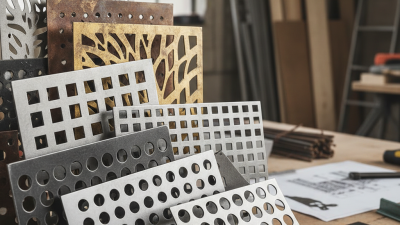
Common perforation patterns include round, square, and custom designs. Round holes are the most popular, often favored for their versatility. They can facilitate airflow while maintaining privacy. In contrast, square holes may offer better aesthetic continuity, which suits modern designs. Industry data shows that projects using bespoke patterns can enhance user engagement by up to 25%. Yet, unique patterns sometimes complicate fabrication, increasing costs and delivery times.
Consider the spacing and size of the perforations as well. Tighter spacing can enhance sound absorption, a feature valued in commercial settings. Yet, this may compromise light penetration. Designers should also be wary of maintenance requirements. Some patterns can collect dirt or dust more easily, possibly affecting longevity. Reflecting on these aspects ensures a well-rounded decision when choosing the best perforated panel for a specific project.
Assessing Durability and Performance Characteristics
When selecting aluminium perforated panels, durability and performance are key factors. These panels must withstand various environmental conditions. Consider the thickness and quality of the aluminum. Thicker panels generally resist bending and warping better over time. A high-quality alloy will also resist corrosion, providing longevity.
Tips: Look for panels with a protective coating. This feature enhances their ability to resist wear and tear. Inspect samples for their finish. A well-applied finish can prevent early deterioration and maintain aesthetic appeal.
Evaluate the panel's performance characteristics too. Airflow and light penetration capabilities matter for design. Ensure the hole patterns align with your vision. Some designs may restrict airflow or light more than expected. This can impact energy efficiency, requiring adjustments in building plans.
Tips: Always consider your specific environmental conditions when selecting perforated panels. For instance, panels in coastal areas need better corrosion resistance. Balancing aesthetics and performance may require thoughtful compromises.
Selecting the Right Supplier for Quality and Service
When selecting an aluminium perforated panel supplier, quality and service should be your primary focus. Look for suppliers who have a solid track record and experience in the industry. Their expertise can significantly impact the final result of your projects. When you collaborate with knowledgeable suppliers, you benefit from their insights into product specifications and design options.
Additionally, consider the level of customer service you will receive. Poor communication can lead to complications that may delay your project. A reliable supplier should be responsive, addressing your inquiries promptly. Establishing a good relationship with your supplier fosters a smoother workflow. Take time to read testimonials or reviews, as they provide a realistic view of service levels.
Don't overlook the importance of sourcing practices. Investigate whether suppliers prioritize sustainable methods. This is increasingly important in today’s design market. Some suppliers may lack transparency, so ask the right questions. This will ensure your supplier aligns with your values and project needs. Choosing the right supplier involves careful thought and consideration.