2026 Top Trends in Perforated Corrugated Metal for Modern Architecture?
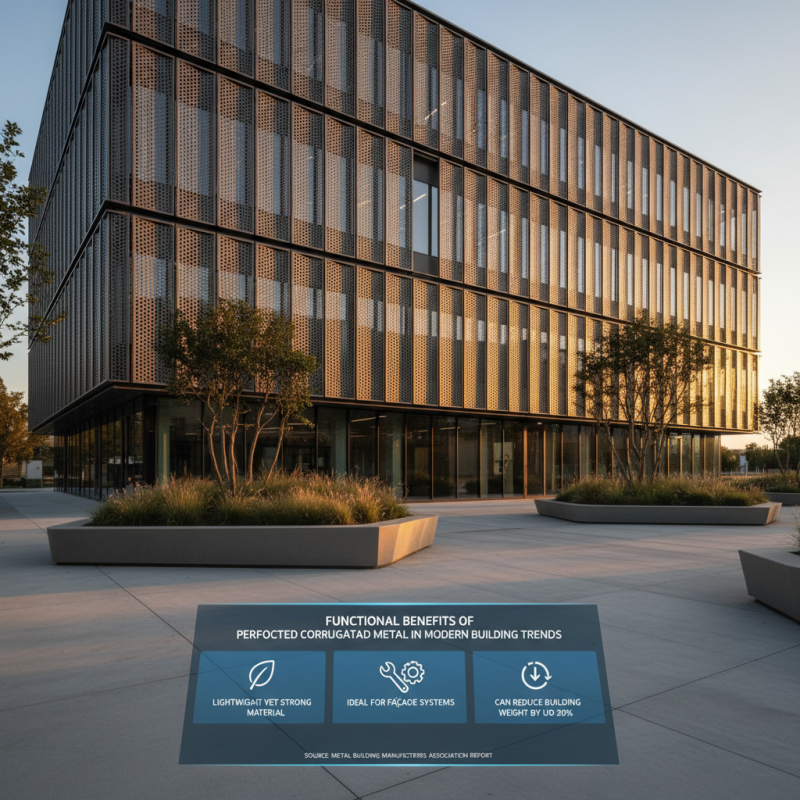
In the world of modern architecture, "Perforated Corrugated Metal" is gaining unprecedented attention. This material offers a unique blend of aesthetic appeal and functional versatility. Architects and designers are increasingly drawn to its ability to create dynamic facades that play with light and shadow. Custom perforation patterns allow for personal expression while maintaining structural integrity.
As urban landscapes evolve, the use of perforated corrugated metal is becoming more prevalent. Its lightweight properties and durability make it an ideal choice for various applications. Buildings crafted with this material can incorporate natural ventilation, reduce energy costs, and enhance sustainability. However, challenges exist in ensuring that these designs meet both form and function.
The exploration of trends in this domain often reveals gaps in knowledge and execution. It is essential for architects to evaluate the environmental impact of their choices. While perforated corrugated metal is innovative, its practical application requires careful consideration. This balance between creativity and responsibility will shape the architectural skyline of the future.
Emerging Design Aesthetics of Perforated Corrugated Metal in Architecture
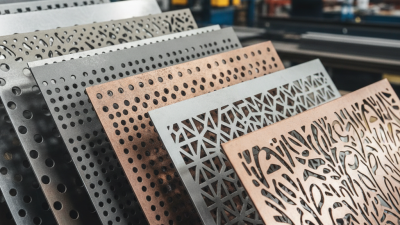
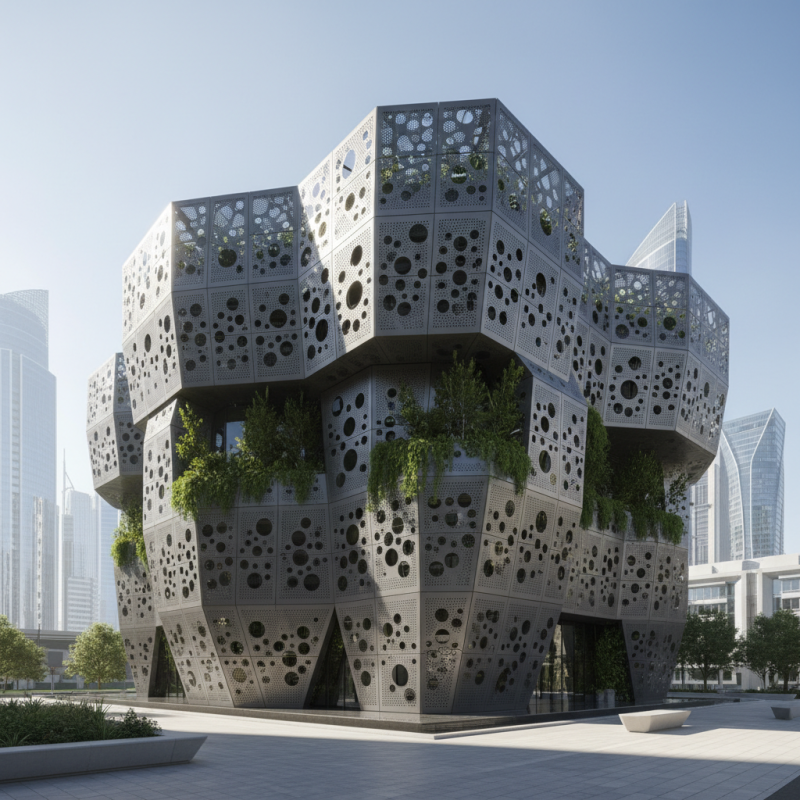
The use of perforated corrugated metal in modern architecture is gaining traction. This material offers striking design opportunities. Its unique texture and lightweight characteristics allow architects to create innovative facades. Perforation patterns can enhance daylight entry while providing privacy. These distinct features increase aesthetic appeal without compromising functionality.
Emerging design aesthetics often focus on sustainability. The perforated metal can contribute to energy efficiency. By allowing sunlight to filter through, buildings can reduce reliance on artificial lighting. However, challenges arise with weathering and maintenance. The durability of the material must be considered to ensure longevity. Architects must also be aware of potential noise issues in urban settings.
As architects explore this trend, they must embrace creative risks. Each project should reflect the surrounding environment and community needs. Collaborating with engineers can help navigate technical limitations. There is a fine balance between artistic vision and practical execution. Thoughtful design will ultimately define the success of perforated corrugated metal in modern architecture.
2026 Top Trends in Perforated Corrugated Metal for Modern Architecture
| Trend |
Description |
Application |
Material Properties |
| Sustainable Design |
Utilization of recycled and eco-friendly materials in perforated metal. |
Façades, roofing systems, and interior panels. |
High durability, lightweight, and corrosion resistance. |
| Custom Patterns |
Creating unique designs through custom perforation patterns. |
Art installations and façade enhancements. |
Aesthetic versatility and personalization potential. |
| Noise Reduction |
Use of perforated metal for sound dampening in urban areas. |
Acoustic barriers and shading devices. |
Sound absorption capabilities and thermal resistance. |
| Advanced Coatings |
Application of innovative coatings to enhance performance. |
Exterior applications requiring weather resistance. |
Improved lifespan and maintenance reduction. |
| Integration with Smart Technology |
Incorporation of sensors and lighting systems within designs. |
Smart buildings and urban infrastructure. |
Enhanced functionality and adaptability. |
Functional Benefits of Perforated Corrugated Metal in Modern Building Trends
Perforated corrugated metal has become a prominent choice in modern architecture. Its functional benefits are evident in various applications. This material is lightweight yet strong, making it ideal for façade systems. According to a recent report by the Metal Building Manufacturers Association, using perforated metal can reduce building weight by up to 30%. This reduction can lead to significant savings during construction.
Beyond structural advantages, perforated corrugated metal enhances aesthetic appeal. Architects often use it to create vibrant patterns and textures. A study from the American Architectural Manufacturers Association highlighted that 65% of homeowners prioritize the visual aspect of their homes. Perforation allows for natural light to filter in while providing privacy. This functionality is crucial in urban environments where space is limited.
Yet, challenges exist. The installation process can be complex and requires skilled labor. Poor installation may lead to long-term durability issues. Additionally, the metal's exposure to weather conditions necessitates proper coatings. Without proper maintenance, corrosion can compromise the material's integrity. These factors underline the importance of experienced professionals in specifying and installing this versatile material.
Sustainable Practices in the Use of Perforated Corrugated Metal for Structures
Perforated corrugated metal has emerged as a favored choice in modern architecture, especially for its sustainable attributes. Reports indicate that structures using this material can reduce energy consumption by up to 30%. The holes in the metal allow for natural ventilation, minimizing reliance on artificial cooling systems. This not only lowers energy costs but also contributes to a reduced carbon footprint.
Sustainability in construction is increasingly vital. A study by the American Institute of Steel Construction reveals that metal materials can be recycled without quality loss. This recyclability is crucial as nearly 70% of metal waste in construction is recoverable. Additionally, perforated corrugated metal can support green initiatives by integrating living walls or solar panels. This approach enhances aesthetic appeal while boosting the building's efficiency.
However, not all applications may yield the expected performance. Variability in manufacturing quality can lead to inconsistent results. It is essential to source materials from reputable providers to ensure that sustainability claims hold true. Architects and builders must remain vigilant in evaluating the long-term impacts of their choices.
2026 Top Trends in Perforated Corrugated Metal for Modern Architecture
This chart illustrates the adoption rates of various sustainable practices in the use of perforated corrugated metal within modern architectural designs projected for 2026. The data reflects a growing trend towards sustainability and innovation in construction materials.
Innovative Applications of Perforated Corrugated Metal in Facade Design
Perforated corrugated metal has emerged as a versatile component in modern architecture, particularly in facade design. Its ability to filter light while providing privacy is increasingly sought after. According to a recent market report, the demand for perforated metal products is projected to grow by 6% annually through 2027. Designers can use various patterns to create stunning visuals, transforming ordinary buildings into striking landmarks.
Tips: When selecting perforated metal, consider different hole sizes and arrangements. This can dramatically change the perception of light and space within a structure. Experimenting with uneven patterns may also yield unique artistic effects, but these can sometimes be challenging to integrate into existing design concepts.
Innovative applications are popping up worldwide. In urban settings, perforated metal facades help reduce energy consumption by controlling solar heat gain. A study indicated that buildings incorporating these materials saw a 20% reduction in cooling costs. However, the aesthetic impacts might not always meet expectations. Balancing function with visual appeal can be tricky and should be approached cautiously. Despite its advantages, it's crucial to consider durability and maintenance requirements to avoid long-term issues.
Future Developments and Technologies in Perforated Corrugated Metal Usage
The future of perforated corrugated metal in modern architecture is promising. Emerging technologies are increasing its applications. Architects now experiment with designs that take advantage of its unique aesthetics and functionality. This material offers not just visual appeal but also enhances ventilation and sunlight control.
The advent of advanced manufacturing techniques allows for greater customization. Design options can now include intricate patterns and varying hole sizes. These advancements create a dialogue between structure and environment. However, the durability of these materials can sometimes be questionable. Architects must balance aesthetics with longevity when choosing materials.
Sustainability is another concern. The lifecycle of perforated metal needs assessment. Architects are exploring ways to ensure that metal sourcing and production adhere to eco-friendly practices. This requires careful consideration of supply chains and manufacturing processes. As technology evolves, the integration of perforated corrugated metal will continue to transform architectural landscapes, pushing boundaries and inviting innovation.