Top 10 Benefits of Using Punched Metal Sheets for Buyers?
Punched Metal Sheets have become increasingly popular in various industries. According to expert James Smith, a leading engineer in metal fabrication, "These sheets offer unmatched versatility for commercial use.” Their lightweight nature and durability make them ideal for construction and automotive applications.
Moreover, the ability to customize designs enhances aesthetic appeal. Punched Metal Sheets allow for unique patterns that can elevate product design. This adaptability is one of the key reasons why buyers are gravitating toward them. However, it is essential to consider potential drawbacks as well. For instance, improper handling can lead to imperfections in the finished product.
The benefits of using Punched Metal Sheets are clear, yet they come with their own set of challenges. Buyers should weigh these factors carefully. Balancing quality, functionality, and design flexibility can lead to informed purchasing decisions. Ultimately, understanding both sides can foster a more productive use of Punched Metal Sheets.
Advantages of Punched Metal Sheets in Construction Applications
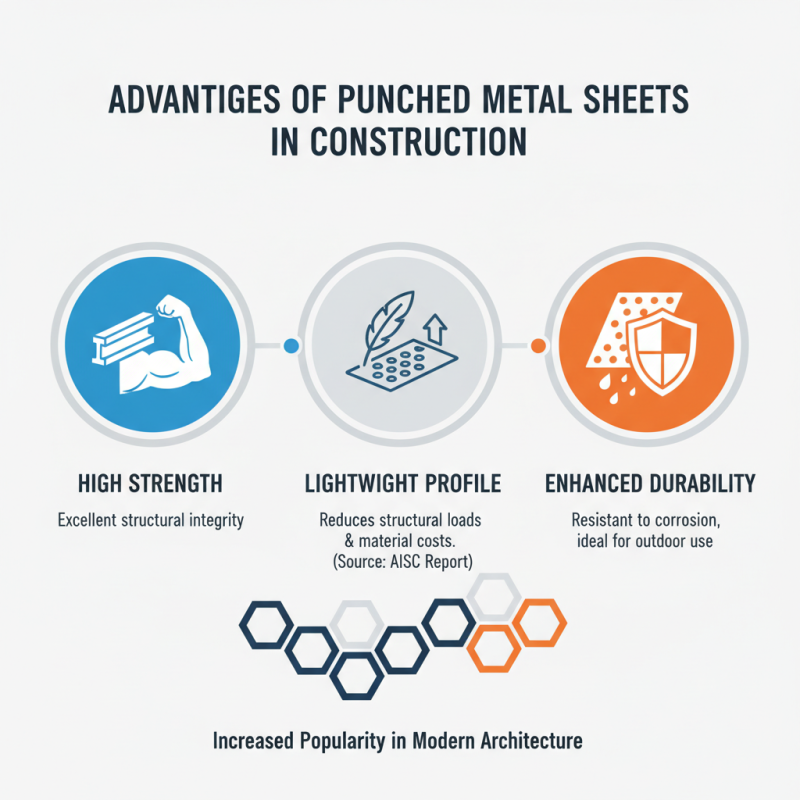
Punched metal sheets are increasingly popular in construction applications due to their numerous benefits. These sheets offer excellent strength while maintaining a lightweight profile. According to a report by the American Institute of Steel Construction, using lightweight materials can reduce overall structural loads, leading to cost savings in both materials and foundation work. They also provide enhanced durability against corrosion, making them ideal for outdoor structures.
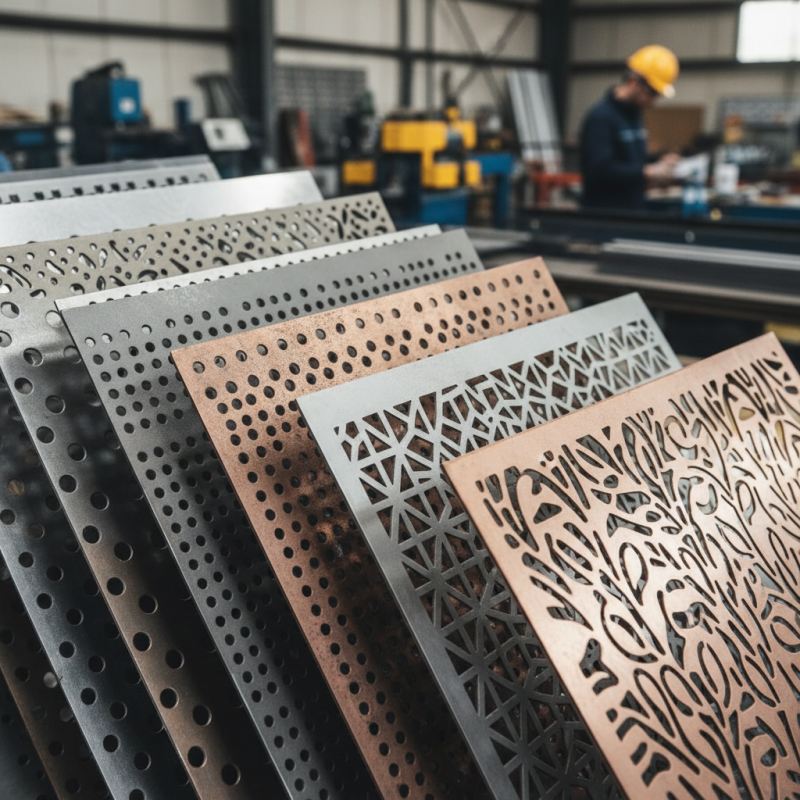
One notable advantage of punched sheets is their versatility in design. They can be used for façades, interior partitions, and even as architectural features. The perforations can be customized for aesthetic appeal while allowing for necessary ventilation. This adaptability is crucial in modern architecture where both function and style matter. Interestingly, a study from the Construction Industry Institute found that projects utilizing innovative materials, like punched metal, achieve a 15% improvement in design flexibility.
Tips: Consider the punch pattern for maximum light penetration while still maintaining structural integrity. Regular inspections can help ensure longevity and performance, especially in demanding environments. While punched sheets are generally reliable, it's essential to evaluate the specific needs of each project. Balancing cost and quality can be a tricky endeavor.
Cost-Effectiveness of Punched Metal Sheets for Buyers
Punched metal sheets offer notable cost-effectiveness for buyers in various industries. According to recent industry reports, these sheets can reduce material waste by up to 30%. This efficiency leads to lower material costs and significantly cuts production expenses. The optimized design of punched metal sheets allows for better utilization. Manufacturers can produce lighter components without sacrificing strength.
The initial investment in punched metal sheets might be higher, but the long-term savings are compelling. For example, maintenance costs are reduced due to their durability. A study highlighted that manufacturers using punched metal sheets saved an average of 15% on long-term maintenance. This is crucial in industries where reliability is essential.
**Tip:** Always assess the specific needs of your project. Sometimes, using traditional materials may seem cheaper upfront but could lead to higher costs later.
Furthermore, consider the versatility of punched metal sheets. They come in various sizes and patterns, suiting diverse applications. This adaptability means that buyers can find solutions tailored to their requirements without overspending.
**Tip:** Evaluate your design requirements carefully. Customization of punched sheets can lead to increased efficiency, despite potential upfront costs.
Top 10 Benefits of Using Punched Metal Sheets for Buyers
| Benefit |
Description |
Cost-Effectiveness |
| Lightweight |
Punched metal sheets are lightweight, reducing transportation costs. |
Lower shipping costs. |
| Versatility |
Can be used across various industries for different applications. |
Reduces the need for multiple materials. |
| Aesthetic Appeal |
Provides a modern look for architectural designs. |
Attractive surfaces can enhance value. |
| Durability |
Resistant to wear and tear, ensuring longevity. |
Lower maintenance and replacement costs. |
| Customization |
Can be tailored to specific sizes and hole patterns. |
Reduces waste and excess material costs. |
| Easy Installation |
Lightweight and easy to handle for quick installation. |
Saves on labor costs. |
| Safety Features |
Perforated sheets allow light and airflow while maintaining safety. |
Reduces need for additional safety measures. |
| Eco-Friendly |
Made from recyclable materials, reducing environmental impact. |
Potential for tax incentives for using sustainable materials. |
| Sound Absorption |
Effective in reducing noise levels in commercial spaces. |
Saves costs on soundproofing materials. |
| Thermal Management |
Helps in regulating temperature by providing ventilation. |
Lowers energy bills by improving HVAC efficiency. |
Durability and Strength: Why Punched Metal Sheets Last Longer
Punched metal sheets are gaining recognition for their durability and strength. These sheets are engineered to withstand harsh conditions. Common applications include construction, automotive, and industrial sectors. Their robust nature means they resist wear and tear effectively. This longevity translates to cost savings for buyers in the long run.
The punching process enhances the structural integrity of these sheets. The holes offer not only aesthetics but also reduce weight, enhancing their performance. Remarkably, they handle high stress without deforming. However, manufacturing errors can occur. Working with reputable suppliers can mitigate these risks. Remember, not all punched metal sheets are created equal. Verifying quality and specifications is crucial.
Another point to consider is maintenance. While punched metal sheets last, they may require periodic assessments. Regular checks can prevent unexpected failures. Gaining insight into your specific application will guide you toward optimal choices. Balancing cost, quality, and application ensures a wise investment. Make informed decisions to reap the benefits these materials offer.
Design Flexibility: Customization Options with Punched Metal Sheets
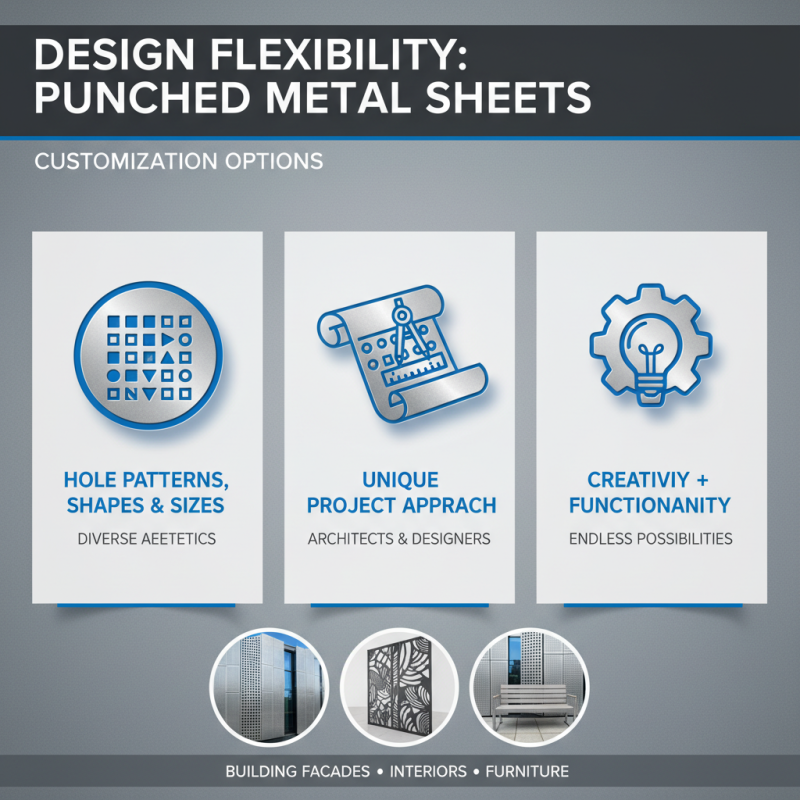
Punched metal sheets offer incredible design flexibility for various projects. Customization options make these sheets appealing to architects and designers alike. With different hole patterns, shapes, and sizes, they can suit diverse aesthetic needs. Each project demands a unique approach, and punched sheets help achieve that. They enable creativity while maintaining functionality.
The ability to customize punched metal sheets goes beyond mere aesthetics. These sheets can enhance lighting effects, improve ventilation, and reduce weight for structures. Designers often experiment with punch patterns to create visually stunning partitions or facades. However, selecting the right design involves careful consideration of the intended use. A poorly thought-out design may lead to functional issues.
Understanding the material's capabilities is essential. Some designs might compromise strength or durability. Buyers should weigh aesthetic desires against practical requirements. Engaging with experienced manufacturers can provide insights that lead to better decisions. Customization opens doors, but it requires thoughtful choices to maximize potential.
Lightweight Nature of Punched Metal Sheets for Easy Handling
Punched metal sheets are becoming increasingly popular due to their lightweight characteristics. Weighing significantly less than traditional materials, these sheets are easier to handle. This is particularly beneficial for construction teams. Workers can move, adjust, and install components without excessive physical strain. This advantage can lead to quicker project completion and increased efficiency on job sites.
Moreover, lighter materials typically mean lower transportation costs. The reduced weight allows for more efficient shipping. Companies can save on fuel and shipping expenses. However, one might question if lighter materials compromise strength. In many cases, punched metal sheets retain their structural integrity. Yet, it's vital for buyers to assess their specific needs. They must consider the application and required durability.
Working with punched metal sheets also opens opportunities for creative design. The patterns in the material can add aesthetic appeal while maintaining lightness. However, some may find the limitations in thickness a challenge. Balancing quality with lightness requires careful thought. Understanding the full potential of these materials is crucial for making informed decisions.
Top 10 Benefits of Using Punched Metal Sheets