2026 Top Decorative Expanded Metal Trends for Global Buyers?
As we approach 2026, the decorative expanded metal market is evolving rapidly. Global buyers are increasingly drawn to this versatile material for its aesthetic and functional qualities. Decorative expanded metal offers unique design possibilities for various applications, from architecture to interior design.
Trends indicate a shift towards sustainable materials and innovative patterns. Many designers now prioritize eco-friendly options in their projects. This change reflects a growing awareness of environmental responsibility among consumers. Additionally, the rise of customizable designs is allowing for more personalized spaces. Buyers appreciate the ability to tailor products to their specific needs.
However, challenges remain in sourcing quality decorative expanded metal. As trends change, manufacturers must adapt to meet new demands. Reliability in supply chains is crucial for maintaining high standards. Buyers should be cautious and informed when selecting suppliers to ensure their investment is sound. Embracing these trends can lead to creative breakthroughs but requires careful consideration of choices within this dynamic market.
Emerging Patterns in Decorative Expanded Metal for 2026
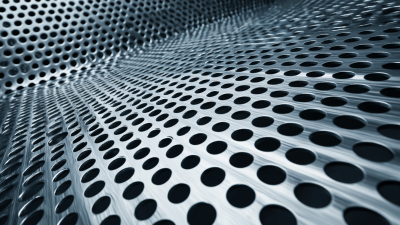
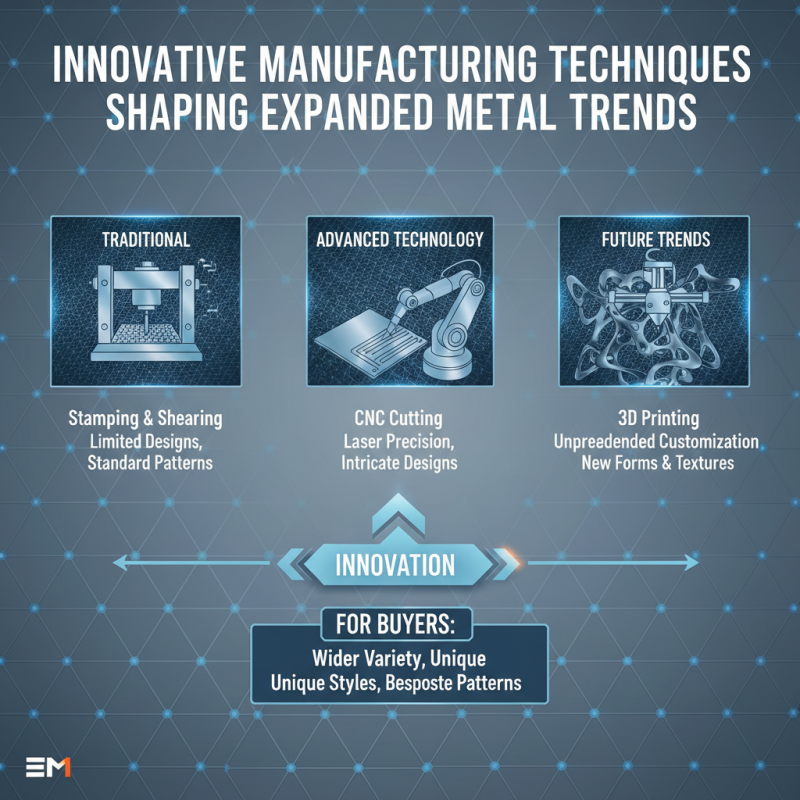
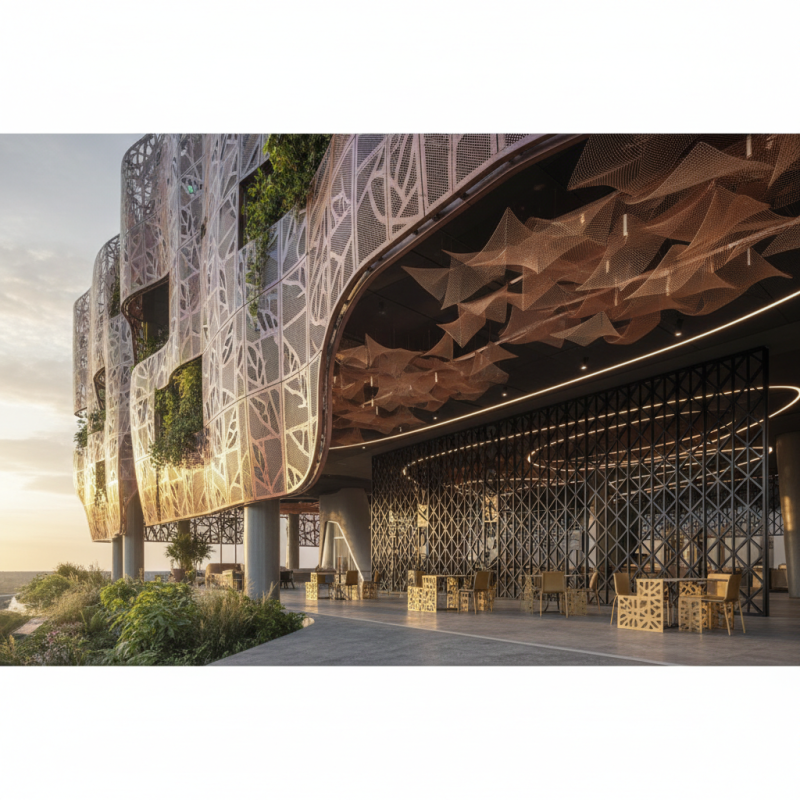
As we look toward 2026, the decorative expanded metal market is witnessing innovative transformations. Emerging patterns showcase a blend of artistic design and functional application. Designers are experimenting with unique shapes and meshes, aiming for both aesthetics and durability. This trend reflects a broader push for customization in architectural and interior design. The use of geometric patterns continues to dominate, creating visual intrigue and structural strength.
Additionally, sustainability plays a crucial role in shaping these trends. Manufacturers are exploring eco-friendly materials and processes. This approach is appealing to a growing number of environmentally-conscious buyers. However, there are challenges in balancing sustainability with cost-effectiveness. Buyers may face dilemmas in sourcing responsible materials while adhering to budgets. The journey toward a sustainable approach in decorative expanded metal is complex but vital for the future.
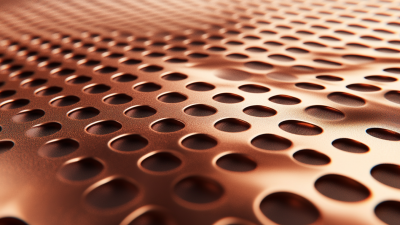
Textures and finishes are also gaining attention. Matte, brushed, and polished surfaces offer different visual effects and tactile experiences. Incorporating mixed materials can enhance the overall aesthetic. Yet, achieving harmony in these combinations can prove tricky. Designers often grapple with ensuring cohesion in diverse elements. These emerging patterns indicate a vibrant future, filled with potential and reflection on existing practices.
2026 Top Decorative Expanded Metal Trends for Global Buyers
| Trend |
Description |
Usage |
Material |
Color Options |
| Geometric Patterns |
Incorporating bold geometric shapes for modern aesthetics. |
Interior design, walls, and partitions. |
Aluminum, steel. |
Brushed aluminum, black, white, custom colors. |
| Natural Inspirations |
Designs reflecting natural elements like leaves and flowers. |
Outdoor decorative facades and installations. |
Stainless steel, copper. |
Green, bronze, earthy tones. |
| Sustainability Focus |
Using recycled materials and eco-friendly processes. |
High-end architecture and green buildings. |
Recycled aluminum, sustainably sourced metals. |
Natural finishes, matte, textured. |
| Industrial Chic |
Utilitarian designs that blend functionality with style. |
Loft living spaces, shops, and cafes. |
Steel, weathering steel. |
Rust, grey, industrial colors. |
| Custom Designs |
Tailored patterns to meet specific project needs. |
Commercial projects and bespoke furnishings. |
Various metals. |
Client-defined choices, vivid colors. |
Sustainability Considerations for Decorative Metal Choices
Sustainability is becoming essential in decorative metal design. As global buyers increasingly prioritize the environment, choosing decorative expanded metals with minimal ecological impact is crucial. These materials can be constructed from recycled metals, offering both aesthetic appeal and sustainability. By opting for local sourcing, companies can reduce transportation emissions and support local economies.
When selecting decorative metals, consider the manufacturing process. Some methods release harmful pollutants. Look for manufacturers who uphold clean production practices. Certifications can indicate commitment to sustainability, but not all are equal. Doing thorough research is vital.
**Tips:** Always ask about the material's lifecycle. Understanding how it is sourced, processed, and disposed of helps ensure responsible choices. Pay attention to the finishes used, as some coatings might not be eco-friendly. Lastly, consider the durability of the product; investing in long-lasting materials contributes to sustainability.
Color and Finish Trends in Expanded Metal Design for Buyers
As the market for decorative expanded metal continues to evolve, color and finish trends play a crucial role in design decisions. According to a recent industry report, 45% of buyers prioritize unique color finishes when selecting expanded metal products. This preference reflects a growing desire for aesthetics in architectural and interior design. Matte finishes have gained popularity, appealing to clients seeking a modern, understated look. Glossy finishes, however, still attract attention for their vibrant appearance.
Sustainability is another key consideration in color and finish choices. Reports indicate that 30% of buyers are inclined to choose eco-friendly coatings. These options not only minimize environmental impact but also offer durability. Interestingly, powder coating remains a top choice for its versatility and range of colors. Intriguingly, some customers find themselves drawn to finishes that show imperfections, as they evoke a sense of authenticity.
Color trends are shifting. Neutral colors like beige and gray are prevalent, but bold hues like deep greens and rich blues draw in adventurous clients. The mix of colors can create striking contrasts in design. Ultimately, buyers are discovering that the right finish can significantly elevate a project. It can also influence marketability. As preferences continue to shift, staying attuned to these trends will be essential for success in the decorative expanded metal sector.
Global Market Insights: Demand for Decorative Expanded Metals in 2026
The demand for decorative expanded metals is projected to surge in 2026. According to industry analysis, the global market for decorative expanded metals is anticipated to reach approximately USD 500 million by 2026. This growth reflects an increasing interest in architectural aesthetics and functional design. As urbanization accelerates, more builders look for innovative materials. Expanded metals fit this need well, combining durability and versatility.
Key sectors driving demand include construction, automotive, and consumer goods. Expanded metal panels offer unique design possibilities, enhancing visual appeal while providing structural integrity. Over 65% of architects surveyed cite aesthetics as a primary factor for choosing materials. Yet, challenges remain. The market still faces issues with manufacturing consistency and material quality. Achieving the perfect balance between design and strength is not straightforward. Industry players must address these inconsistencies to cater to growing consumer preferences.
Sustainability is also a crucial factor. As global buyers increasingly prioritize eco-friendly materials, the production of decorative expanded metals must evolve. Reports indicate that recycled content in metals can cut down carbon footprints significantly. Yet, the technology and methods for recycling pose hurdles. Creative solutions are necessary for manufacturers to stay ahead in this competitive landscape while meeting environmental standards.