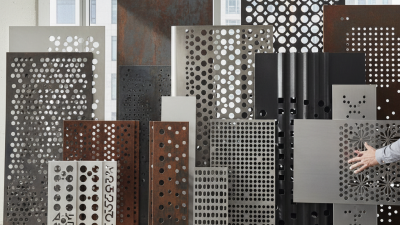
Top Uses of Perforated Stainless Steel Screens in 2026?
As we look ahead to 2026, Perforated Stainless Steel Screens are set to play a crucial role across various industries. The global perforated metal market is projected to reach $3.05 billion by 2027, growing at a rate of 5.1% annually. This growth reflects the increasing demand for durable, lightweight materials that offer versatility in design and application.
Perforated Stainless Steel Screens are particularly beneficial in sectors like construction, filtration, and agriculture. In construction, their strength and aesthetic appeal make them popular for architectural facades. Additionally, in filtration systems, these screens improve efficiency by facilitating fluid flow while retaining particulate matter effectively. Recent studies highlight that applications in agriculture could enhance crop yield by optimizing sunlight exposure and airflow.
However, the industry still faces challenges, such as fluctuating raw material costs and the need for continuous innovation. While Perforated Stainless Steel Screens offer significant advantages, it’s essential to consider sustainable practices and end-of-life recyclability. The path forward involves balancing performance with environmental responsibility, making these screens a focal point for future developments.
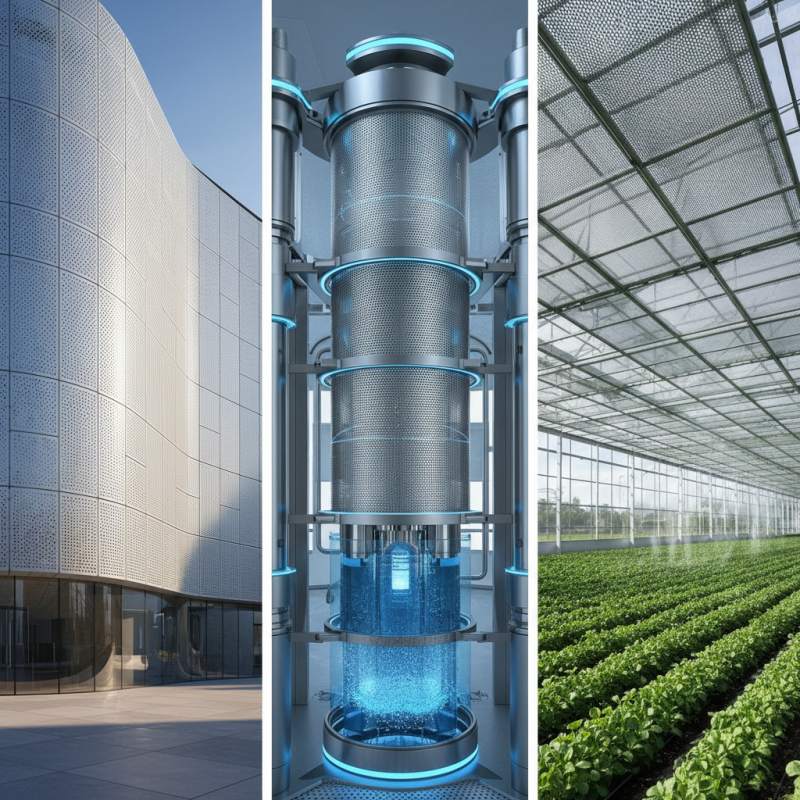
Key Characteristics of Perforated Stainless Steel Screens
Perforated stainless steel screens are increasingly popular in various industries by 2026. Their unique characteristics make them suitable for diverse applications. These screens feature precise holes that allow airflow and liquid passage while providing strength and durability. For instance, the opening ratio can range from 10% to 60%, affecting their efficiency in filtering and separation processes.
A report from the Metal Processing Association notes that demand for perforated stainless steel is expected to grow by 4.5% annually. This demand stems from their use in construction, automotive, and food processing sectors. They offer structural support while maintaining weight efficiency. However, not every design meets all requirements. Some screens may suffer from corrosion in harsher environments, leading to durability concerns.
Moreover, the aesthetics of perforated screens cannot be overlooked. Architects and designers often use them in facades and interior applications. Their ability to combine functionality and artistic appeal creates a unique opportunity for innovation. However, achieving the perfect balance between design and practicality remains a challenge. The industry must keep refining these products to meet evolving standards.
Top Uses of Perforated Stainless Steel Screens in 2026
Applications in Industrial Filtration and Separation Processes
Perforated stainless steel screens have emerged as vital tools in industrial filtration and separation processes. These screens allow for efficient flow while filtering out unwanted particles. Their durability makes them suitable for various environments, even in challenging conditions. In many industries, maintaining clean fluids is essential. Perforated screens ensure that impurities are removed, enhancing overall system performance.
In water treatment plants, these screens play a crucial role. They help in separating solids from liquids. This process reduces wear on pumps and other equipment, saving costs in maintenance. The ability to customize hole sizes adds flexibility. It allows industries to target specific particle sizes effectively. However, the design must be well thought out. Poorly designed screens can lead to clogs, requiring frequent cleaning.
Additionally, these screens are highly versatile. They are used in food processing, chemical production, and oil refinement. Filtration needs can vary across applications, complicating design choices. Using the wrong material or hole size may result in inefficient processes. Industry professionals often wrestle with these decisions. Trials and testing are necessary, but results can vary. Maintaining quality is a constant challenge, and attention to detail is paramount.
Top Uses of Perforated Stainless Steel Screens in 2026
| Application Area |
Industry |
Key Benefits |
Material Specifications |
| Heavy Metal Filtration |
Mining |
High durability and corrosion resistance |
304/316 Stainless Steel |
| Food Processing |
Food and Beverage |
Safe for food contact, easy to clean |
AISI 304 |
| Water Treatment |
Environmental |
Effective in removing particles and contaminants |
316L Stainless Steel |
| Gas Filtration |
Petrochemical |
High temperature resistance and long lifecycle |
Inconel, Monel |
| Pharmaceutical Filtration |
Pharmaceutical |
Maintains purity, minimizes contamination |
Pharmaceutical-grade stainless steel |
Role in Architectural Design and Aesthetic Enhancements
Perforated stainless steel screens play a significant role in architectural design, offering both functionality and aesthetic appeal. In 2026, the use of these screens is projected to increase by 20%, according to recent industry reports. Architects appreciate their versatility. They can serve as decorative elements or functional barriers.
These screens add texture and depth to building facades. Their unique patterns catch sunlight, creating interesting shadow effects. In urban settings, they filter light and provide privacy without sacrificing openness. A study highlighted that buildings with such screens saw a 15% increase in visual interest among visitors.
However, designers must consider various factors. The spacing of perforations can impact structural integrity. Choosing the right finish is essential for durability. Some designers overlook this, leading to maintenance issues. As aesthetics evolve, the challenge is to blend beauty with practicality effectively.
Impact on Environmental Sustainability and Waste Management
Perforated stainless steel screens are gaining attention in waste management. In 2026, their role in promoting environmental sustainability will be significant. These screens allow for efficient separation of materials. They minimize waste by enabling recycling and reducing landfill use.
Industries are increasingly adopting these screens for filtration processes. They help in clearing pollutants from water and air. However, challenges remain, such as the initial cost of investment. Some companies hesitate to adopt these solutions. This reluctance can hinder progress in waste management.
Moreover, perforated screens are not a perfect solution. Their effectiveness can vary depending on design and application. Regular maintenance is crucial for optimal performance. Neglecting this can lead to decreased efficiency over time. As awareness grows, ongoing assessment is necessary. The potential benefits must be balanced against practical limitations.
Future Trends and Innovations in Perforated Stainless Steel Screens
In 2026, perforated stainless steel screens gain popularity across various industries. Their versatility plays a key role in this trend. Architects appreciate their aesthetic qualities in modern buildings. These screens allow for natural light while providing privacy. In industrial settings, they serve as effective filtration solutions.
One notable innovation involves advancements in hole patterns. Customized patterns cater to specific needs. This customization enhances functionality and design appeal. Additionally, there is a growing interest in sustainable materials. Eco-friendly manufacturing processes reduce environmental impact. As businesses prioritize sustainability, demand for such products will rise.
Tips: Consider the environment when choosing materials. Look for options with reduced carbon footprints. When designing spaces, think about how light interacts with screens. Test different patterns to ensure both beauty and functionality. These practices will enhance the overall utility of perforated stainless steel screens.