Essential Tips for Choosing Perforated Screen Panels?
Choosing the right perforated screen panels can greatly impact your project’s outcome. These panels are vital in various applications, from architecture to industrial settings. According to a report from Global Market Insights, the perforated metal market is expected to exceed $3 billion by 2027. This growth reflects their rising popularity in interior design and construction.
When selecting perforated screen panels, it's crucial to consider factors like material, hole size, and pattern. The correct choice influences not just aesthetic appeal but also functionality. A recent survey indicated that nearly 70% of architects emphasize perforation patterns in their designs for better ventilation and light control. However, many still grapple with the balance between design and practicality.
Additionally, sourcing from reputable manufacturers ensures quality and reliability. Poor choices can lead to increased costs and project delays. Reflecting on your specific needs and challenges during the selection process is essential. While many options exist, taking the time to thoroughly evaluate your requirements will lead to a more effective and ultimately successful implementation of perforated screen panels.
Understanding Perforated Screen Panels: Key Features and Benefits
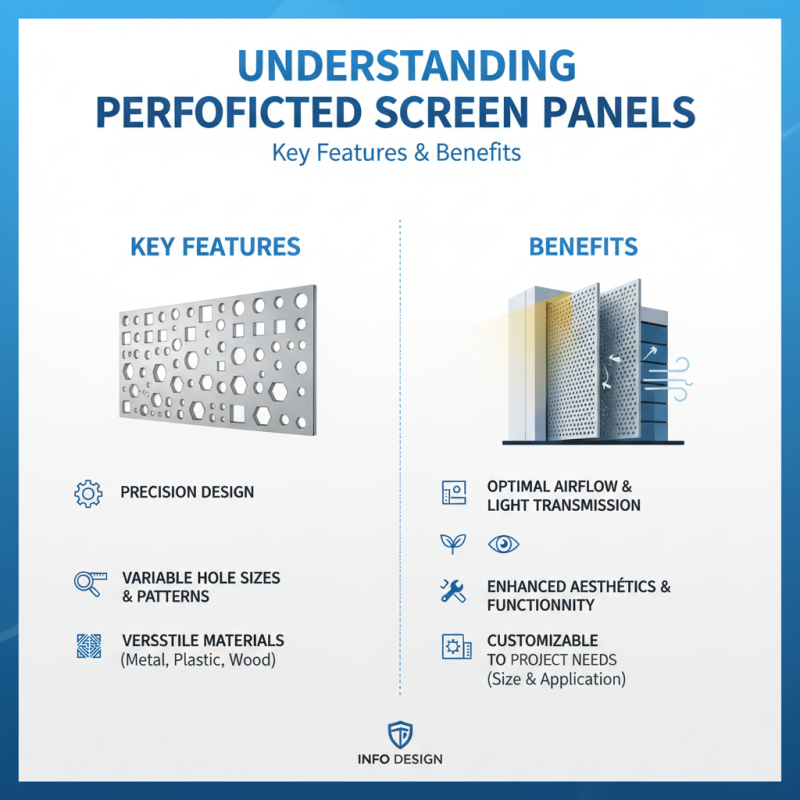
When selecting perforated screen panels, understanding their key features and benefits is crucial. These panels are designed with precision, often featuring a variety of hole sizes and patterns. This versatility allows for optimal airflow and light transmission. The choices can influence aesthetics and functionality alike. Consider how the panel size aligns with your project needs.
Durability is another important aspect. Many perforated panels are made from materials such as metal or high-density plastic. These materials ensure they withstand various environmental factors. Some might not consider the ease of maintenance. A panel that accumulates debris might not perform as expected. Regular cleaning can prevent clogs and ensure longevity.
Additionally, perforated panels contribute to sound absorption. In noisy environments, these panels can help reduce echo and noise levels. However, keep in mind that not all panels offer the same degree of soundproofing. Evaluating differences based on your setting is essential. Choosing the right panel involves weighing these features together, ensuring an informed decision that meets your specific needs.
Material Selection: Evaluating Metal Types for Durability and Efficiency
When selecting perforated screen panels, material choice is crucial. Metal types significantly influence durability and efficiency. Stainless steel is a popular option. It resists rust and corrosion effectively. This makes it ideal for outdoor environments. However, it can be expensive. For budget-conscious projects, galvanized steel provides a viable alternative. It offers decent corrosion resistance at a lower cost.
Aluminum is another contender. It is lightweight, yet strong. This combination makes it easy to handle and install. However, aluminum may not endure harsh conditions as well as stainless steel. Each metal has its strengths and weaknesses. Evaluating the specific application is essential. For instance, using aluminum in a highly corrosive environment may require further protection.
Ultimately, your choice must align with the project’s demands. Consider factors like load-bearing capacity and aesthetic appeal. Balancing cost and functionality is often challenging. Strive to find a metal that suits both your budget and needs. Don't rush this decision; it impacts the longevity of your installation. Reflect on all options carefully before making a selection.
Hole Patterns and Sizes: Impact on Performance and Design Versatility
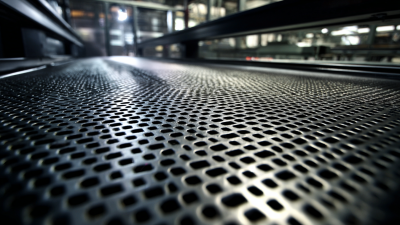
When selecting perforated screen panels, the hole patterns and sizes play a critical role in both performance and design. According to a recent industry report, optimum hole size significantly influences airflow and light penetration. For instance, panels with larger holes may improve ventilation but could compromise structural integrity. Understanding the balance between these factors can help achieve desired outcomes.
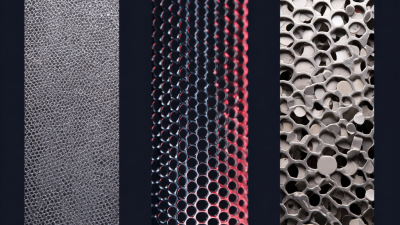
Perforated screens can enhance aesthetics and functionality. The arrangement of holes can be customized to create unique visuals, making these panels versatile in design applications. A well-researched design yields better sound absorption and improved thermal efficiency. When assessing hole patterns, it's crucial to consider the specific use case and environmental conditions.
Tip: Always test samples to visualize the panel's actual performance in your specific environment. Another valuable tip is to assess longevity; some patterns wear differently over time. Investing in quality materials can mitigate early degradation. Small details matter in performance; consider how surroundings affect panel function.
Industry Standards and Regulations: Ensuring Compliance in Screen Selection
When choosing perforated screen panels, industry standards and regulations play a crucial role. Compliance ensures safety and functionality in various applications. Regular assessments and updates to these standards reflect ongoing developments in technology and safety protocols. Manufacturers often publish detailed specifications, but it's essential to verify them against local regulations.
One important tip is to review material certifications thoroughly. Different applications may require distinct materials. For example, certain environments benefit from corrosion-resistant options. Another key aspect to remember is testing conditions. Ultimately, a panel’s durability can directly affect its performance and lifespan. Regular inspections and maintenance are recommended to uphold quality.
As you select your panels, consider consulting industry experts. Their insight can guide you toward compliant and reliable choices. Don’t rush into a decision; take the time to evaluate your specific needs and context. Each project is unique, and custom solutions often yield the best results. Addressing these aspects thoughtfully will enhance both safety and effectiveness in your installations.
Essential Tips for Choosing Perforated Screen Panels
Applications of Perforated Panels: From Architecture to Filtration Systems
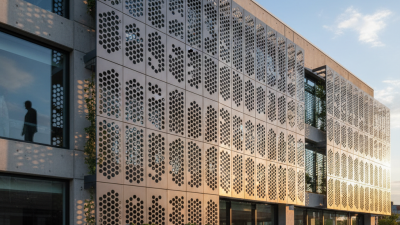
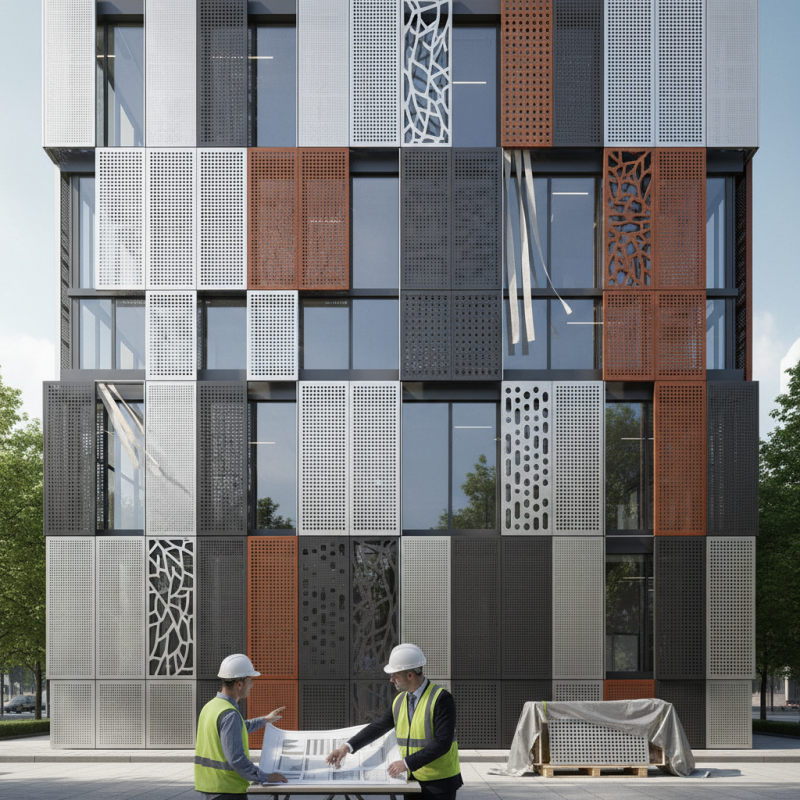
Perforated screen panels are versatile materials used in various fields. In architecture, they serve aesthetic and functional roles. For example, these panels create striking façades for buildings. They allow light to filter in while providing privacy. The designs can vary from simple patterns to intricate artistry. This blend of functionality and beauty makes them popular.
In filtration systems, perforated panels play a crucial role. They help separate solids from liquids in industrial processes. The holes in the panels can be tailored to specific needs. Selecting the right size and spacing is vital for efficiency. Poor choices can reduce effectiveness, leading to operational issues. It's important to test different configurations to find the ideal setup.
Choosing the right perforated panel requires careful consideration. The intended use greatly influences material choice. Factors such as durability, corrosion resistance, and cost should be evaluated. Each application may demand a unique solution. Reflecting on past experiences can help avoid common pitfalls. Understanding the demands of your project leads to better results.