Ultimate Tips for Choosing Perforated Mesh Sheet What to Know?
When it comes to selecting a Perforated Mesh Sheet, many factors come into play. According to a recent industry report by Markets and Markets, the global demand for perforated metal is projected to grow significantly, reaching over $2.5 billion by 2025. This indicates a rising interest in these versatile materials across various sectors. The applications of perforated mesh sheets are broad, ranging from architectural designs to industrial uses.
Understanding the features of perforated mesh sheets is crucial for making informed choices. For instance, the hole size and spacing directly affect both the aesthetic and functional aspects of the sheets. Many buyers overlook the importance of the material type, which influences durability and strength. A mistake in this decision can lead to costly replacements or project delays, emphasizing the need for careful consideration.
Ultimately, the selection process can feel overwhelming. It is essential to reflect on specific project requirements and operational needs before making a call. Insufficient research can result in choosing the wrong specification. This isn't simply about aesthetics; it’s about ensuring that the chosen Perforated Mesh Sheet meets practicality and safety standards effectively.
Understanding the Basics of Perforated Mesh Sheets
Perforated mesh sheets are versatile materials, widely used in construction and design. They consist of thin sheets with holes, allowing for airflow and light. Understanding their features is crucial for effective usage.
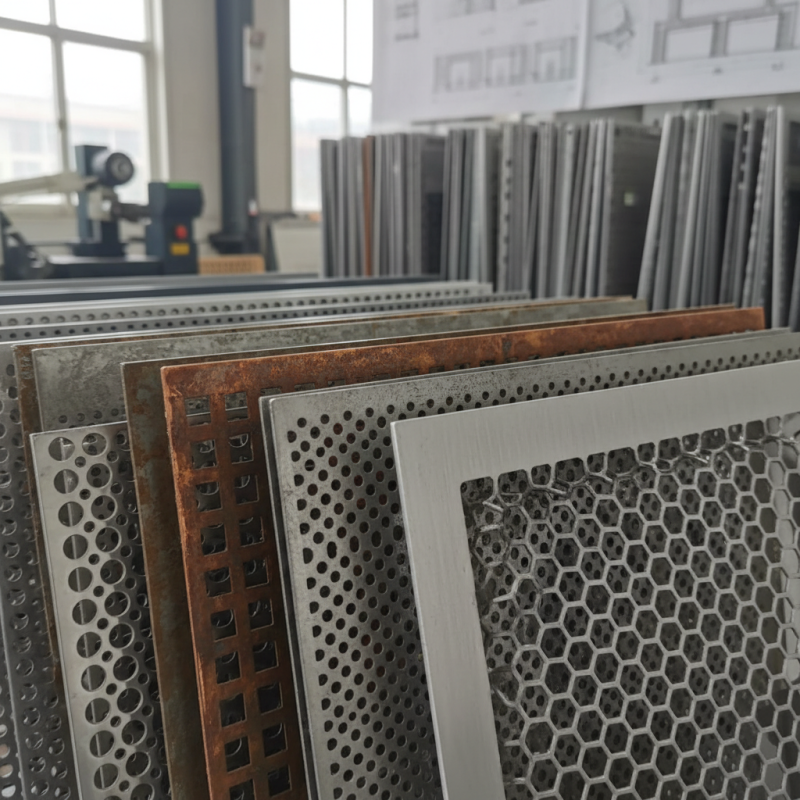
When choosing perforated mesh sheets, consider the size and pattern of the holes. This affects not only aesthetics but also functionality. Larger holes may permit more air movement but might compromise structural integrity. Smaller holes offer more support but may restrict airflow. Balance these factors based on your project needs.
Here are some tips for selection. Assess the material's durability and resistance to corrosion. This is essential for outdoor applications. Evaluate thickness for strength while considering weight. Often, heavier sheets are sturdier but harder to manipulate.
Evaluate your environment too. Harsh weather may require specialized materials. Some projects might call for a unique hole pattern, which can be a challenge to find. Engage in discussions with suppliers to explore options. You might discover that sometimes the perfect fit isn't readily available.
Ultimate Tips for Choosing Perforated Mesh Sheet
This bar chart represents different factors to consider when selecting perforated mesh sheets based on their importance.
Types of Materials Used in Perforated Mesh Sheets
When selecting perforated mesh sheets, the material used is critical. Different materials offer distinct advantages based on their intended application. Common materials include stainless steel, aluminum, and plastic. Each has unique properties that affect durability and performance.
Stainless steel is robust. It handles high temperatures and resists corrosion. It works well in outdoor environments and food processing. However, it can be heavier and more expensive. Aluminum is lighter and often more cost-effective. It still offers decent strength but isn’t as heat-resistant. This makes it suitable for various indoor applications.
Plastic mesh sheets are another option. They are light and resistant to chemicals. They can be used in the automotive and manufacturing industries. However, they might not withstand extreme heat or heavy loads as well. The choice of material depends on the specific needs of your project. Consider weight, resistance, and cost carefully. Sometimes, a shiny finish can be appealing, but scratch durability might become a concern. Each choice has trade-offs that require thoughtful consideration.
Ultimate Tips for Choosing Perforated Mesh Sheet What to Know? - Types of Materials Used in Perforated Mesh Sheets
| Material Type |
Common Use Cases |
Benefits |
Drawbacks |
| Aluminum |
Architectural applications, screens, and HVAC |
Lightweight, corrosion-resistant, and aesthetically pleasing |
Can be more expensive than other materials |
| Stainless Steel |
Industrial and commercial applications |
High durability, corrosion resistance, and strength |
Heavier and more expensive compared to aluminum |
| Mild Steel |
Fencing, grates, and structural applications |
Cost-effective and versatile |
Prone to rusting if not treated or painted |
| Plastic |
Lightweight barriers and decorative panels |
Rust-proof, lightweight, and easy to handle |
May not be suitable for heavy load applications |
Key Factors to Consider When Choosing Perforated Mesh Sheets
When selecting perforated mesh sheets, several key factors deserve your attention. Mesh size is critical. A smaller perforation allows for finer filtration, while larger ones can facilitate air and liquid flow. According to industry reports, choosing the right mesh size can enhance performance by up to 30%. This is particularly relevant in applications requiring precise airflow control or liquid separation.
Material choice also plays a vital role. Stainless steel, aluminum, and plastic are common options, each with unique properties. For example, stainless steel is highly durable and resistant to corrosive environments. In contrast, plastic may be lighter and more cost-effective but less resilient in harsh conditions. A survey indicated that almost 45% of users experienced failure due to improper material selection.
Application context is another significant consideration. Perforated sheets serve various purposes, from architectural features to industrial uses. Understanding the specific requirements can influence the selection. For instance, aesthetic applications may prioritize visual design, whereas industrial uses focus on functionality. However, many overlook the long-term impacts such choices may create, leading to suboptimal performance and increased costs.
Applications and Uses of Perforated Mesh Sheets
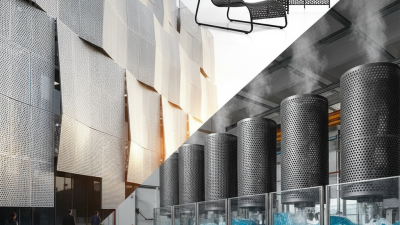
Perforated mesh sheets have diverse applications across various industries. They are commonly used in architecture for facades. The holes allow for ventilation and light, creating unique visual effects.
In the automotive industry, these sheets aid in constructing lightweight components. They reduce weight without compromising strength, which is crucial for vehicle efficiency.
When selecting perforated mesh sheets, consider the size and spacing of the holes. This affects airflow and appearance. Different patterns yield different aesthetics. Fine holes may allow for better sound absorption, while larger ones provide enhanced light diffusion. Think about where you will use them.
Another tip is to evaluate the material used for the sheets. Some materials resist corrosion, making them ideal for outdoor use. Others are better suited for indoor environments. Always consider maintenance and durability factors. The right choice can make a significant impact on your project's success. Aim for quality, yet remember that perfection isn’t always possible. Evaluate what fits your needs best.
Maintaining and Cleaning Perforated Mesh Sheets
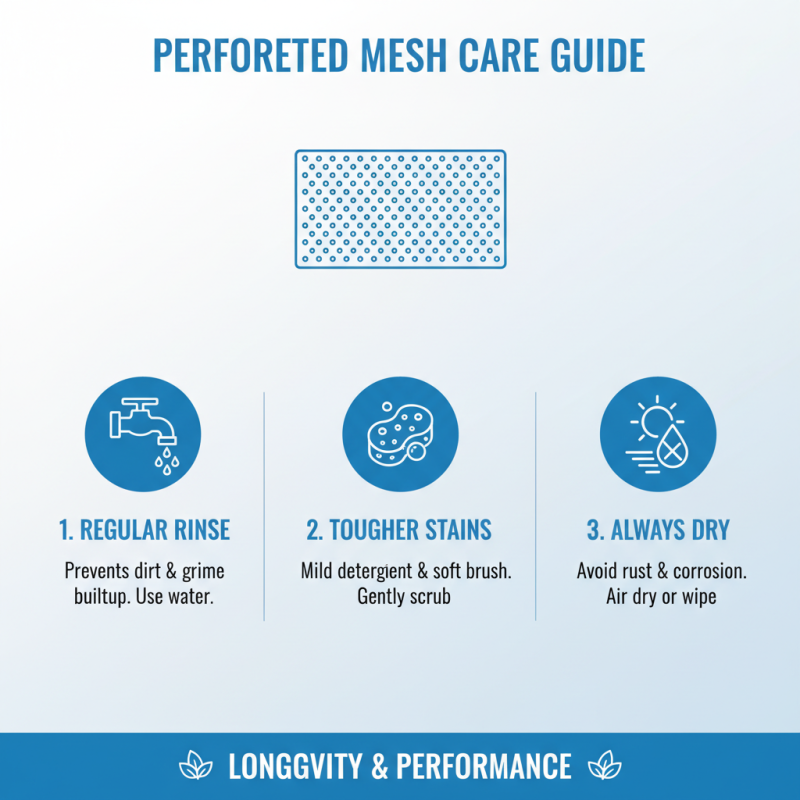
Maintaining and cleaning perforated mesh sheets is essential for longevity and performance. Regular maintenance prevents buildup of dirt and grime. A simple rinse with water can often do wonders. For tougher stains, a mild detergent works well too. Always dry the sheets after cleaning to avoid rust and corrosion.
It’s important to inspect the mesh sheets regularly. Look for any signs of wear, such as bent edges or rust spots. These issues may seem minor initially. However, small problems can escalate quickly. If the sheets are damaged, consider repairing or replacing them promptly to maintain efficiency. Remember, neglect can lead to costly repairs later on. A proactive approach will save time and effort in the long run.