What is a Stainless Perforated Sheet and Its Uses?
Stainless Perforated Sheets are a critical component in various industries. These sheets feature holes for lightweight efficiency and aesthetic appeal. As industry expert John Smith, a leading metallurgist, notes, "Stainless Perforated Sheets offer unmatched versatility and strength."
In construction, they are used for facades and sunshades. This application enhances buildings' energy efficiency. In the automotive sector, these sheets reduce weight without sacrificing durability. However, the challenge lies in optimizing hole patterns while maintaining structural integrity. Some designs may not perform as expected, requiring careful consideration.
The food processing industry also values Stainless Perforated Sheets for filtration systems. They ensure hygiene and efficient processing. Yet, improper sizing can lead to issues. Reflecting on this, it’s essential to tailor designs to each application’s specific requirements. This precision maximizes benefits and minimizes waste.

What is a Stainless Perforated Sheet?
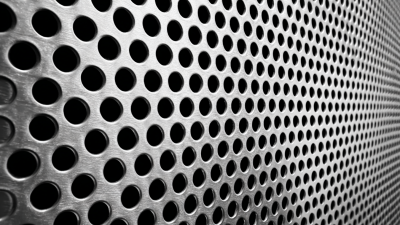
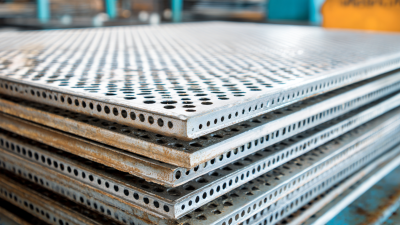
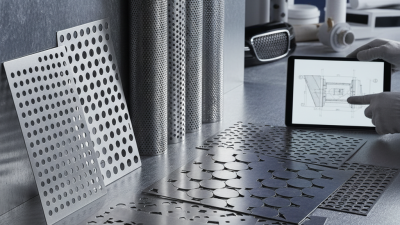
A stainless perforated sheet is a flat sheet of stainless steel that features holes or openings. These holes can be round, square, or custom-shaped. The size and spacing of the perforations vary based on specific applications. Typically, stainless steel sheets are made from grades like 304 and 316, which are known for their corrosion resistance.
The primary use of stainless perforated sheets spans several industries. In construction, they serve as architectural panels, providing both aesthetic and functional benefits. Data from the Metal Construction Association shows that the demand for perforated metals in this sector has increased by 15% over the last five years. Additionally, in the filtration industry, these sheets are essential for creating filters used in air and water purification. They allow fluid to pass while blocking unwanted particles.
However, it's crucial to approach the usage of these sheets mindfully. The production process can be energy-intensive. Environmental concerns arise from the waste generated during perforation. Industry studies suggest that as much as 30% of raw material can become scrap. Thus, while perforated sheets are versatile, manufacturers must find ways to minimize waste and enhance efficiency. This balance is an ongoing challenge in manufacturing practices.
What is a Stainless Perforated Sheet and Its Uses?
| Property |
Description |
| Material |
Stainless Steel |
| Hole Size |
1/16" to 1" (varies) |
| Thickness |
16 gauge to 1/2" (varies) |
| Applications |
Architectural design, filtration, and protective barriers |
| Advantages |
Corrosion resistance, durability, aesthetic appeal |
| Common Industries |
Food processing, construction, automotive, and marine |
Key Characteristics and Specifications of Stainless Perforated Sheets
Stainless perforated sheets are materials with numerous small holes in them. These holes can vary in size and pattern, allowing for a wide range of applications. The sheets are made from stainless steel, which offers excellent corrosion resistance and strength. This makes them ideal for use in demanding environments, such as food processing and architectural designs.
One key characteristic of stainless perforated sheets is their durability. They can withstand harsh conditions, maintaining their form and function over time. The sheets also allow for airflow and drainage, which is vital in many industrial settings. Additionally, the aesthetics of these sheets can enhance visual appeal. Their clean, modern look can be incorporated into various design projects. However, precision during manufacturing is essential; any errors in hole size or spacing can impact functionality and design integrity.
Another important specification is the thickness of the sheet. Varying thicknesses cater to different structural needs. Thicker sheets provide more strength, while thinner ones are more flexible. While the versatility is impressive, users must choose wisely based on their specific requirements. A common pitfall is underestimating the load-bearing capacity, leading to potential failures. Regular evaluation of needs and outcomes is necessary for effective use.
Common Materials Used in Stainless Perforated Sheets Manufacturing
Stainless perforated sheets are essential in various applications. They are made from different materials, each offering unique properties. Commonly, stainless steel is the go-to choice due to its durability and corrosion resistance. This material can endure harsh environments, making it ideal for industrial uses.
Other materials like aluminum and copper are also popular. Aluminum is lightweight and easy to work with, often used in architectural designs. Copper provides excellent conductivity, which is crucial for electrical applications. Each material has its strengths, but selection can be challenging. It’s important to consider factors like strength, weight, and resistance to corrosion when choosing a material.
There are various manufacturing processes for creating perforated sheets. The method affects the sheet's final quality and characteristics. Yet, mistakes can happen, such as incorrect hole sizes or uneven spacing. These flaws can impact the sheet's functionality. It's essential to regularly review the manufacturing process and materials used to ensure high standards are maintained.
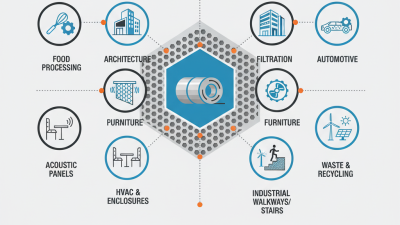
Applications of Stainless Perforated Sheets in Various Industries
Stainless perforated sheets serve a variety of roles across many industries. Their structure features numerous holes, which offer unique benefits. These sheets are lightweight yet incredibly strong. They are often used in construction, automotive, and filtration applications. The versatility of stainless perforated sheets allows for increased airflow while maintaining structural integrity.
In the construction industry, these sheets promote airflow in ventilation systems. They are ideal for facades and decorative elements. Automotive manufacturers utilize them for weight reduction while ensuring durability. Furthermore, in filtration, they aid in separating solids from liquids effectively. Each application highlights specific strengths, such as corrosion resistance and aesthetic appeal.
The use of stainless perforated sheets is not without challenges. Sourcing the right specifications can be tricky. Sometimes, manufacturers may not provide precise measurements, which can lead to project delays. It’s crucial to communicate clearly with suppliers about requirements. Overlooking this could result in wasted resources and time, reinforcing the need for thoroughness in industrial applications.
Applications of Stainless Perforated Sheets in Various Industries
Benefits of Using Stainless Perforated Sheets in Architecture and Design
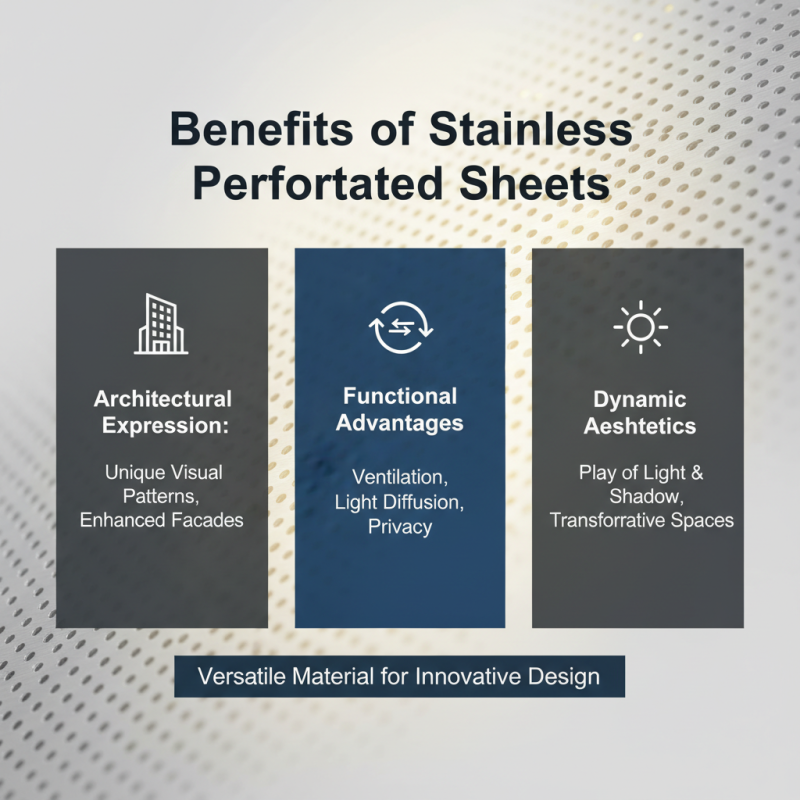
Stainless perforated sheets are versatile materials widely used in architecture and design. Their unique patterns create visual interest, allowing architects to express creativity. These sheets can enhance facades, ventilation systems, and even interior partitions. The light that filters through the holes creates dynamic shadows, shifting throughout the day. This interaction can transform a mundane space into an artful experience.
One of the key benefits of stainless perforated sheets is their durability. Unlike other materials, stainless steel withstands corrosion and weathering. This longevity makes it suitable for both indoor and outdoor applications. However, the installation process can be tricky. Achieving the perfect alignment often takes patience and skill. Designers must pay attention to detail, ensuring the final look matches the vision.
Beyond practical uses, these sheets can evoke emotions. They can make a building feel open, inviting, or even intimate. Yet, it’s vital to consider local context. What works in one environment may not in another. The balance of form and function needs careful reflection. Overusing patterns can overwhelm or distract from the overall design.