What is Perforated Stainless Steel Mesh and Its Uses?
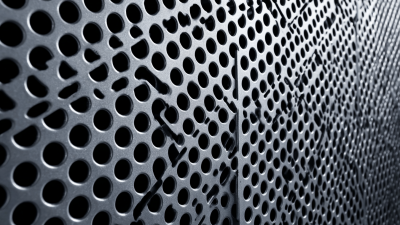
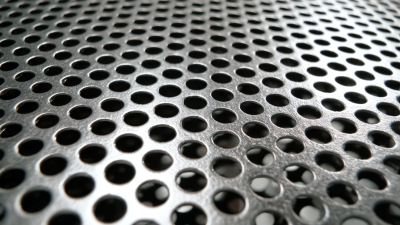
Perforated Stainless Steel Mesh has become a vital material in various industries. Its unique design features evenly spaced holes that provide both functionality and aesthetic appeal. This mesh combines strength with versatility, making it suitable for numerous applications, including construction, filtration, and decorative uses.
One prominent advantage of Perforated Stainless Steel Mesh is its ability to resist corrosion. This property ensures durability, especially in harsh environments. Many architects and designers appreciate its modern look and practicality. Its application extends to railings, façades, and furniture design. However, the selection process for the right gauge and hole size can be challenging.
Understanding the specific needs of each project is crucial. Different projects require varying support and appearance. Reflecting on these factors ensures optimal use of Perforated Stainless Steel Mesh. Despite its advantages, limitations exist, such as cost concerns and availability. Careful consideration of these aspects can lead to successful project outcomes.

Definition and Characteristics of Perforated Stainless Steel Mesh
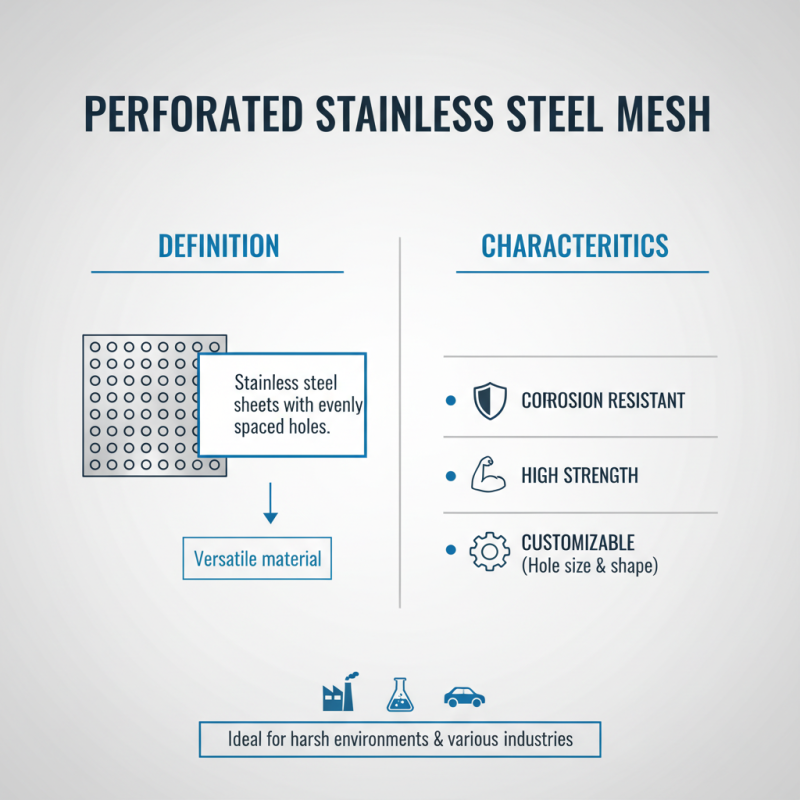
Perforated stainless steel mesh is a versatile material used in various industries. It consists of stainless steel sheets with evenly spaced holes. These perforations come in various sizes and shapes, allowing customization for specific applications. The properties of stainless steel, such as corrosion resistance and strength, make this mesh ideal for harsh environments.
In the construction industry, perforated stainless steel mesh serves aesthetic and functional purposes. It can be used for facades, railings, and screens. Its durability ensures longevity and minimal maintenance. Additionally, its design allows for light and air permeability, contributing to energy efficiency.
**Tips**: When choosing perforated stainless steel mesh, consider the hole size and spacing. Ensure it meets your project’s specifications. Also, think about how thickness affects strength and flexibility.
For landscaping projects, this mesh can create beautiful trellises or decorative fences. Its rust-resistant properties keep it looking new over time. It’s an excellent choice for outdoor settings. However, installation can be tricky without proper tools.
**Tips**: Always measure your area accurately before purchasing. Don’t rush the installation; take your time to ensure it fits well. It’s okay to seek help for larger projects.
Common Manufacturing Processes for Perforated Stainless Steel Mesh
Perforated stainless steel mesh is produced through several common manufacturing processes. A popular method is punching, where a specialized machine punches holes into sheets of stainless steel. This method allows for precise hole sizes and patterns. The equipment used can vary, offering flexibility in design. Each hole can be a different shape, depending on the end use.
Another process is laser cutting. This technique uses a focused laser beam to cut intricate designs. Laser cutting can produce complex patterns that enhance both functionality and aesthetic appeal. It delivers high precision, ideal for applications requiring detailed formations. Additionally, some manufacturers may employ water jet cutting. This method uses a high-pressure water stream mixed with an abrasive material for cutting. It is versatile and can handle thicker materials.
Not every method is flawless. Some processes may generate waste or require significant post-processing. Variations in quality can occur, influenced by the equipment and operator skill. It's essential to continually assess these manufacturing processes to improve efficiency and reduce material waste. Companies are encouraged to refine their techniques, ensuring they meet the evolving demands for perforated stainless steel mesh.
Applications of Perforated Stainless Steel Mesh in Various Industries
Perforated stainless steel mesh is widely used across various industries due to its unique properties. Its ability to allow airflow and light while providing structural strength makes it an ideal choice for many applications. In the architecture sector, for instance, it serves as decorative facades on buildings, enhancing aesthetic appeal while maintaining safety. The mesh is durable and resistant to corrosion, ensuring long-term usability.
In the food and beverage industry, perforated stainless steel mesh is essential for processes such as filtration and separation. Its stainless steel composition is sanitary and easy to clean, thus meeting safety standards. Many food processing plants use it for sifting and sorting ingredients. Moreover, the mesh supports the production of beverages by ensuring clarity in filtering processes.
However, using perforated stainless steel mesh isn’t without challenges. Producing the right hole size and spacing requires careful calculation. Misjudgment can lead to inefficient filtration or structural failures. It’s crucial to evaluate specific needs and applications before selection. Overlooking these details can result in costly adjustments later on.
Applications of Perforated Stainless Steel Mesh in Various Industries
This chart illustrates the distribution of applications for perforated stainless steel mesh across different industries. The applications highlighted showcase its versatility and functionality in modern manufacturing and construction.
Advantages of Using Perforated Stainless Steel Mesh Over Other Materials
Perforated stainless steel mesh stands out for its incredible versatility. One major advantage is its durability. This material can withstand harsh environments without corroding. Unlike other materials, stainless steel mesh is resistant to rust and staining. It provides a long-lasting solution for various applications.
Another benefit is its lightweight design. While it remains strong, perforated mesh allows for air and light to pass through. This feature is invaluable in applications like filtration systems and architectural designs. Users appreciate this blend of strength and functionality. It strikes a balance that many other materials can't match.
Moreover, the aesthetic appeal of perforated stainless steel mesh cannot be ignored. It can enhance the visual quality of buildings and products. Some might consider its price a drawback, but often, the longevity makes up for it. Choosing this material requires thoughtful consideration of initial costs versus long-term benefits. Overall, its reliability and unique properties make perforated stainless steel mesh a practical choice in many sectors.
Factors to Consider When Choosing Perforated Stainless Steel Mesh
When choosing perforated stainless steel mesh, several factors come into play. The thickness of the material matters greatly. Thicker mesh offers enhanced durability, while thinner options provide flexibility. Intended use is also crucial. For architectural applications, aesthetic appeal is key. In industrial settings, strength and resistance to corrosion are crucial.
Hole size and pattern are significant too. Larger holes allow better airflow but may weaken the structure. Smaller holes provide security but can restrict fluid flow. The spacing between holes influences both functionality and appearance. It’s essential to consider where the mesh will be used. Harsh environments demand materials that withstand corrosion and wear.
Finally, one must consider the level of finish required. A polished surface may enhance visual appeal but complicates maintenance. Matte finishes hide fingerprints and scratches better. Balancing these factors can be a challenge. Each choice impacts performance and longevity. Reflecting on specific needs helps in making the right decision. Aim for a mix of functionality and aesthetics that aligns with your project goals.