What is Perforated Stainless Steel Mesh and Its Applications?
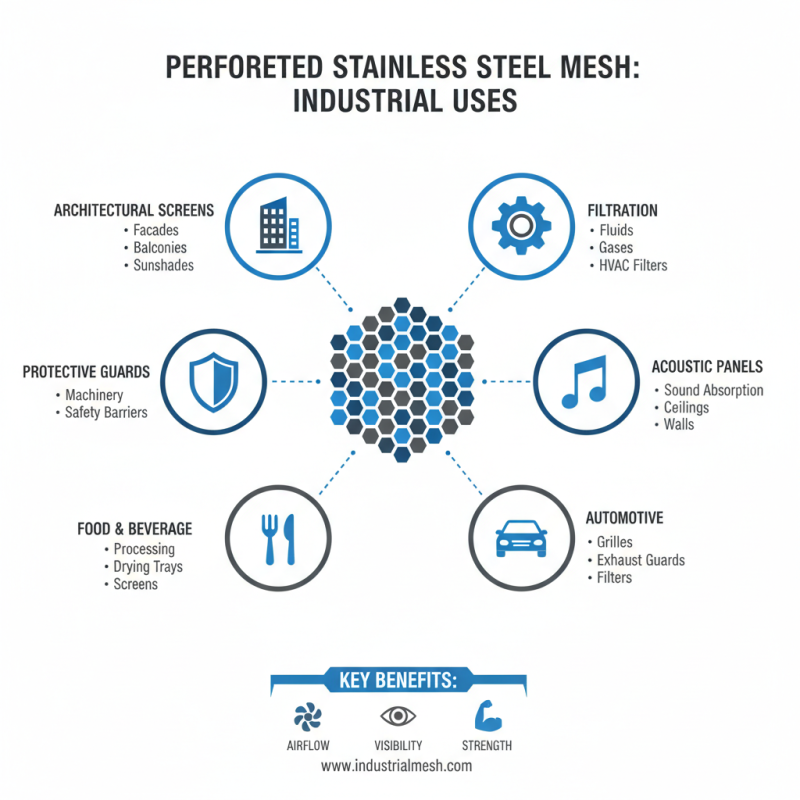
Perforated Stainless Steel Mesh is a versatile material widely used in various industries. Its unique properties make it suitable for multiple applications, from architecture to filtration. According to industry expert Dr. Emily Carter, "Perforated Stainless Steel Mesh offers both functionality and aesthetic appeal." This statement highlights the dual nature of this material.
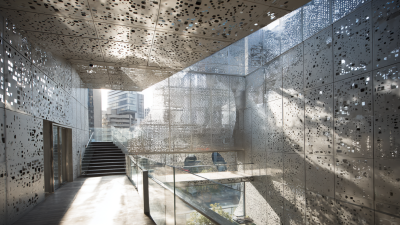
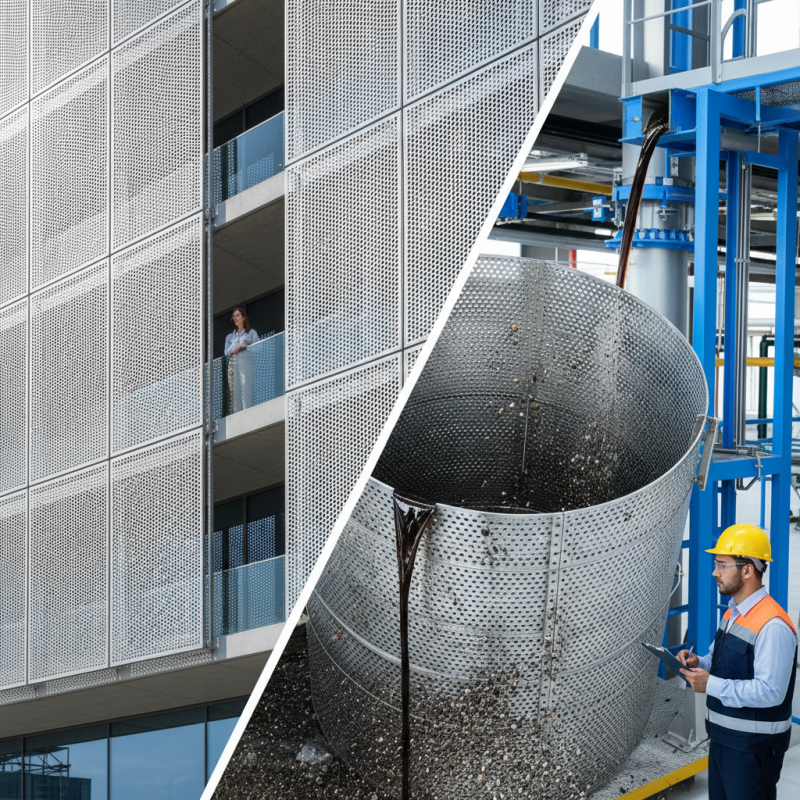
In architecture, designers utilize perforated mesh for façades, allowing light to filter through while ensuring privacy. In industrial settings, it serves as an effective filtration solution, separating materials with precision. These applications are just the tip of the iceberg, demonstrating the mesh's adaptability. However, the widespread use raises questions about sustainability and long-term durability.
As we explore Perforated Stainless Steel Mesh, we should consider both its benefits and drawbacks. The material’s strength often leads to overconfidence in its capabilities. Even with its durability, care and maintenance are essential for optimal performance. Reflecting on these factors will ensure that we appreciate the mesh for all its potential while acknowledging the need for improvement.
What is Perforated Stainless Steel Mesh?
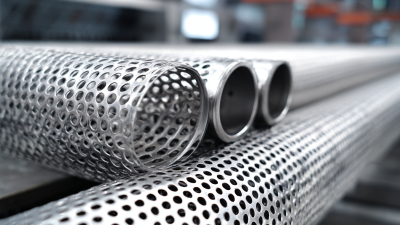
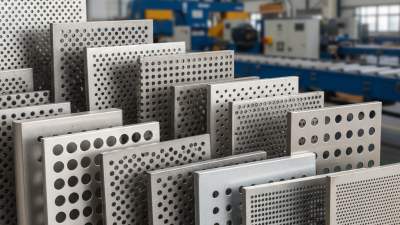
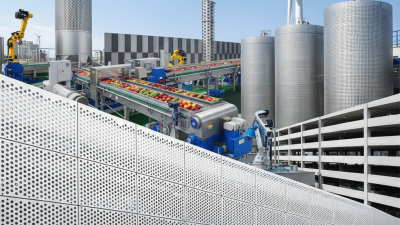
Perforated stainless steel mesh is a versatile material used across various industries. This mesh features a series of holes punched in a sheet of stainless steel. These holes can vary in size, spacing, and pattern, allowing for diverse applications. For instance, it is often used in architecture for facades, drainage systems, and even in machinery for ventilation. According to a recent industry report, the global market for perforated metal products is expected to reach $3.5 billion by 2027, indicating its growing importance.
A key advantage of perforated stainless steel mesh is its durability. Stainless steel is known for its resistance to corrosion and rust. This makes it suitable for outdoor and industrial applications where exposure to harsh conditions is common. Additionally, the unique aesthetic qualities of perforated mesh make it an attractive choice for designers. However, achieving the right hole size and pattern can be challenging, requiring careful consideration during the design phase.
Tips: Consider the size and shape of the holes based on your specific needs. Ensure that the pattern complements the overall design of your project. Also, think about the finish of the stainless steel; a polished surface may enhance appearance but could influence maintenance. Getting expert advice might save time and resources.
Key Characteristics of Perforated Stainless Steel Mesh
Perforated stainless steel mesh is known for its unique blend of durability and versatility. The material is made from stainless steel sheets that undergo a precise punching process, creating a series of holes. These holes can vary in size and pattern, allowing for customization based on specific needs. According to recent industry reports, the global market for perforated metal is projected to reach $8 billion by 2025, driven by its rising applications across different industries.
One key characteristic of this mesh is its strength. The stainless steel composition provides excellent resistance to corrosion and high temperatures. This makes it ideal for outdoor applications, such as architectural facades and outdoor furniture. Additionally, perforated stainless steel offers effective airflow and light diffusion. Studies suggest it can reduce energy costs in commercial buildings by allowing natural light while minimizing heat buildup.
Another interesting feature is its aesthetic appeal. Architects increasingly use perforated stainless steel for innovative designs. The mesh can create intriguing patterns on surfaces, enhancing visual interest. Yet, the aesthetic quality must be balanced with practical requirements. Overly aggressive designs may compromise structural integrity or functionality. As industries evolve, the balance of beauty and utility in perforated stainless steel continues to be a topic of reflection and improvement.
Applications of Perforated Stainless Steel Mesh
Perforated stainless steel mesh finds diverse applications across several industries. This chart illustrates the frequency of applications where perforated stainless steel mesh is utilized, highlighting its importance in construction, architecture, and more.
Major Types and Specifications of Stainless Steel Mesh
Perforated stainless steel mesh is versatile and widely used. Its strength and durability make it ideal for various applications. Different types of stainless steel mesh have their unique specifications, catering to specific needs.
There are several major types of stainless steel mesh, including woven and welded variations. Woven mesh offers a flexible option for filtration and separation. The sizes and shapes of the holes can vary, impacting the flow of air and liquids. Welded mesh, on the other hand, provides enhanced strength and rigidity. This type is often used in safety barriers and industrial applications.
Specifications matter greatly when choosing mesh. Key factors include wire diameter, hole size, and overall dimensions. These details can significantly affect performance. An improper choice could lead to issues, such as reduced flow or structural failure. Choosing the right mesh can be tricky. One must consider not only the application but also the environment in which the mesh will function.
Advantages of Using Perforated Stainless Steel Mesh
Perforated stainless steel mesh is known for its versatility and strength. It features a series of holes that allow air, light, and fluids to pass through. This design enhances its utility in various applications. From architecture to filtration, its uses are diverse yet specific.
One of the main advantages is its durability. Stainless steel is resistant to corrosion, which prolongs the lifespan of products made from it. This durability means less frequent replacements, saving time and costs over time. Additionally, the aesthetic appeal of perforated stainless steel adds a modern touch to any design project.
Another key benefit is its adaptability. The mesh can be customized in terms of hole size and pattern, catering to different needs. While creating this custom mesh, one may encounter challenges in achieving the desired precision. Moreover, the manufacturing process can sometimes yield uneven holes or imperfections. A keen eye is essential during quality checks. Embracing these imperfections can lead to innovative design solutions, enhancing both function and beauty.
What is Perforated Stainless Steel Mesh and Its Applications? - Advantages of Using Perforated Stainless Steel Mesh
| Property |
Description |
Applications |
Advantages |
| Material |
Stainless Steel |
Architecture, Grilles |
Corrosion Resistance |
| Hole Size |
Customizable from 1mm to 10mm |
Industrial Platforms, Filters |
Versatility |
| Thickness |
0.5mm to 5mm |
Construction, Manufacturing |
Strength and Durability |
| Finish |
Polished or Mill Finish |
Cages, Baskets |
Aesthetic Appeal |
| Weight Efficiency |
Lightweight design |
Automotive Parts, Aerospace |
Reduced Material Cost |