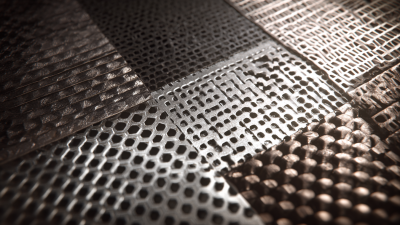
What is Perforated Metal Sheet and its Uses in Industry?
Perforated Metal Sheet has become an essential component in various industries. Its adaptability and performance make it a popular choice among professionals. John Smith, a leading expert in metal fabrication, states, "Perforated Metal Sheets are not just functional, but they also enhance aesthetic appeal." This highlights the dual role of these materials.
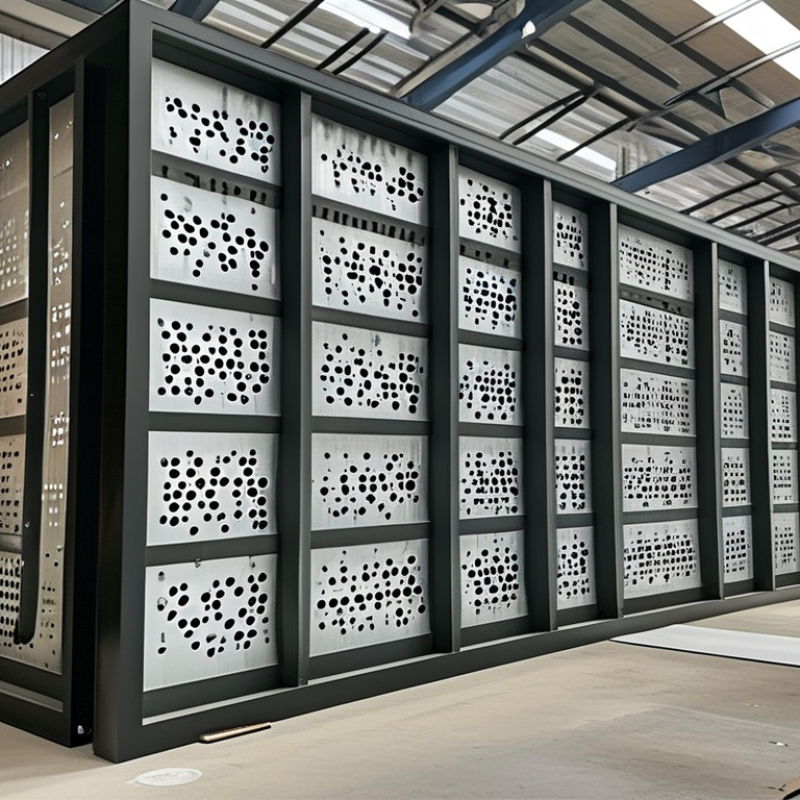
In construction, architecture, and manufacturing, the use of Perforated Metal Sheets is growing rapidly. Their ability to provide ventilation, light filtration, and acoustic control is unmatched. For example, in facades, they allow natural light while maintaining privacy. This balance is crucial for modern design.
However, the effectiveness of Perforated Metal Sheets can be influenced by hole size and spacing. Designers often face challenges in achieving the desired balance between strength and aesthetics. Understanding these nuances is key to maximizing their potential in any application. As industries evolve, so too will the innovations surrounding Perforated Metal Sheets.
Definition and Characteristics of Perforated Metal Sheets
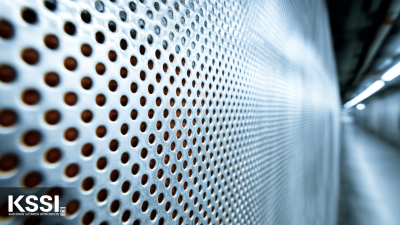
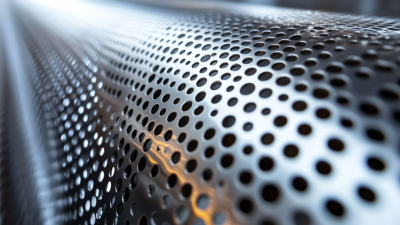
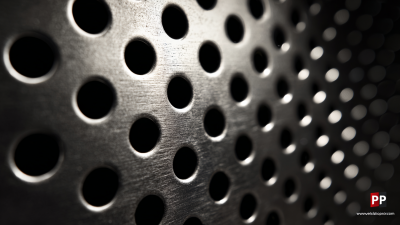
Perforated metal sheets are versatile materials featuring a series of holes punched through them. These holes can vary in size, shape, and spacing. The result is a lightweight yet sturdy material with unique aesthetic and functional qualities. Industries utilize these sheets in various applications, ranging from architecture to filtration. Their open structure allows for air, light, and sound flow, making them ideal for decorative panels, acoustic applications, or screens.
One key characteristic of perforated metal sheets is their durability. They can be made from different metals, such as aluminum, steel, and stainless steel. This makes them suitable for both indoor and outdoor use. When selecting perforated sheets, consider the environment they will be exposed to. For heavy-duty applications, choose corrosion-resistant materials to enhance lifespan and performance.
Tips: When designing with perforated metal, think about the size and layout of the holes. Different patterns can impact strength and aesthetics. Assess how light and sound pass through the material to ensure the desired effect. Always verify the load-bearing capacity to avoid structural failures, especially when used in load-bearing applications.
Common Materials Used for Perforated Metal Sheet Manufacturing
Perforated metal sheets are widely used in various industries due to their versatility and strength. The manufacturing of these sheets involves a range of materials, each with distinct properties. Commonly used materials include stainless steel, aluminum, and carbon steel.
Stainless steel is favored for its corrosion resistance and durability. It is ideal for environments where moisture is present.
Aluminum is lightweight and resistant to rust, making it suitable for applications where weight is a concern.
Carbon steel is another popular choice. It offers excellent strength and is cost-effective. However, it is prone to rust without proper treatment. Each material has its own set of challenges. For example, stainless steel can be expensive, while carbon steel requires regular maintenance to prevent deterioration.
The choice of material greatly influences the applications and longevity of the perforated sheets, whether in architecture, filtration, or industrial equipment.
While many manufacturers focus on these common materials, innovation is necessary to expand options. There is room for exploring alloys and composite materials that could enhance performance. Additionally, understanding the environmental impact of material choices is becoming increasingly important. These considerations reflect a growing need for both efficiency and sustainability in the perforated metal sheet industry.
Industrial Applications of Perforated Metal Sheets
Perforated metal sheets are versatile materials widely used in various industries. Their unique combination of strength and lightweight properties makes them ideal for numerous applications. In construction, perforated sheets provide excellent ventilation and natural light, often used in facades and skylights. They serve aesthetic and functional purposes.
In the manufacturing sector, these sheets are integral for filtration systems. Their precise holes allow for effective separation of materials. For example, in the food industry, perforated sheets filter out contaminants easily, ensuring product safety. Additionally, they are used to create effective sound barriers and acoustic panels, reducing noise pollution in crowded areas.
Tips: When selecting perforated metal sheets, consider the hole diameter and spacing. These factors can impact performance. It's essential to evaluate environmental conditions too. Corrosion resistance is key in outdoor applications. Always consult with an expert for guidance on material choices.
In some cases, companies overlook the need for customization. Standard sizes may not fit all requirements. Measuring accurately helps avoid wastage and ensures optimal fit. The right perforation pattern can enhance functionality. Taking the time to analyze specific needs can lead to better solutions.
Advantages of Using Perforated Metal Sheets in Various Industries
Perforated metal sheets are becoming increasingly popular in various industries. Their versatility is unmatched, making them essential for numerous applications. The unique pattern of holes allows for ventilation, drainage, and even aesthetic enhancement. According to a report by MarketsandMarkets, the global perforated metal market is projected to grow from $3.5 billion in 2020 to $4.7 billion by 2025. This growth highlights their significance in today’s manufacturing processes.
One major advantage of using perforated metal sheets is their lightweight nature. This characteristic makes transportation easier and reduces structural weight in applications like architecture and automotive. Additionally, they improve air flow, contributing to energy efficiency in ventilation systems. However, not all perforated sheets are suitable for every application. Selecting the right material and hole size is crucial to ensure optimal performance. Analysis from Research and Markets indicates that the construction sector alone accounts for over 30% of the demand for perforated metal sheets, emphasizing the need for proper specifications.
Another advantage lies in their aesthetic appeal. Designers frequently use them to create striking facades, enhancing visual interest. Yet, the challenge remains in balancing functionality with design. Many projects face constraints in material choice and cost. A thoughtful approach can lead to solutions that satisfy both budget and design requirements. As industries continue to evolve, the integration of perforated metal sheets will likely broaden, yet careful consideration remains key to unlocking their full potential.
What is Perforated Metal Sheet and its Uses in Industry? - Advantages of Using Perforated Metal Sheets in Various Industries
| Dimension |
Material |
Hole Type |
Applications |
Advantages |
| 2mm x 1000mm x 2000mm |
Aluminum |
Round |
Architectural Facades |
Lightweight, Corrosion Resistant |
| 3mm x 1200mm x 2400mm |
Steel |
Square |
Industrial Flooring |
Durable, Slip Resistant |
| 5mm x 1500mm x 3000mm |
Stainless Steel |
Hexagonal |
Filtration Systems |
Hygienic, Easy to Clean |
| 1mm x 1000mm x 1000mm |
Copper |
Custom Shapes |
Decorative Screens |
Aesthetic Appeal, Ductile |
| 4mm x 1200mm x 2400mm |
Mild Steel |
Slotted |
Sound Barriers |
Sound Absorption, Lightweight |
Maintenance and Durability Considerations for Perforated Metal Sheets
Perforated metal sheets are widely used in various industries, but maintenance and durability are key factors in their performance. These sheets combine functional design with structural integrity. Reports indicate that properly maintained perforated metal can last over 20 years in suitable environments. Preventive care is essential in extending their lifespan. For instance, regular cleaning removes debris that might cause rust or corrosion.
Corrosion resistance is a critical consideration for perforated sheets, especially in demanding environments. The choice of materials plays an important role. Stainless steel and aluminum are popular choices due to their durability. However, even these materials require attention. Studies show that untreated metal in corrosive environments can degrade significantly in just five years. This highlights the need for diligent oversight, especially in sectors like construction and filtration.
Wear and tear should not be overlooked. Perforated sheets are vulnerable to physical damage, which necessitates thorough inspection. Users often prioritize visual appeal, but functional aspects are equally crucial. Although many perforated panels look good, their effectiveness can be compromised if not regularly assessed. Engaging with experts can help identify potential issues before they worsen.
Uses of Perforated Metal Sheets in Various Industries
This chart illustrates the various uses of perforated metal sheets across different industries, showcasing the percentage of usage in each area. The construction industry leads in usage, followed by the automotive sector, highlighting the versatility and importance of perforated metal sheets in modern applications.