10 Essential Tips for Working with Perforated Brass Sheet
Working with Perforated Brass Sheet can be both rewarding and challenging. This versatile material is known for its aesthetic appeal and functionality. Architects and artisans alike appreciate its unique characteristics. However, using it effectively requires some knowledge and skill.
The beauty of Perforated Brass Sheet lies in its design possibilities. From decorative panels to architectural applications, its uses are diverse. Yet, achieving the desired results demands careful planning. Mistakes can be costly, and the finer details matter significantly. Understanding the material's properties is crucial. Each hole and pattern impacts the overall strength and appearance.
Crafting with Perforated Brass Sheet invites creativity but also demands precision. Be prepared for trial and error. Sometimes, a design may not turn out as expected. Reflecting on these moments can lead to better choices in the future. Embrace learning from mistakes. Ultimately, the journey of working with this material can enhance both skills and appreciation for its beauty.
Overview of Perforated Brass Sheet Applications
Perforated brass sheets have diverse applications across various industries. They are widely used in architecture for decorative facades. Their aesthetic appeal combined with functionality makes them a popular choice. These sheets allow light and air to pass through while adding a stylish touch to any structure.
In automotive and industrial applications, perforated brass sheets serve as filters and guards. They protect sensitive components from debris. Yet, the challenge lies in selecting the right hole pattern and thickness. This requires careful consideration of the specific needs of each project. Designers often experiment with different configurations, which can lead to unexpected results.
Art and design projects also benefit from perforated brass sheets. Artists use them to create unique sculptures and installations. However, achieving the perfect balance of strength and design can be tricky. Some projects may come out heavier than intended or lack the necessary structural integrity. These factors demand a thoughtful approach to design and application.
Understanding the Properties of Perforated Brass Sheet
Perforated brass sheet offers a unique combination of beauty and functionality. Its impressive properties make it popular in various applications, from architectural designs to industrial uses. Brass, a copper-zinc alloy, boasts excellent corrosion resistance and durability. According to a recent industry report, the global brass market is expected to reach $25 billion by 2026, illustrating its rising demand.
Working with perforated brass requires understanding its material characteristics. The sheet’s thickness varies between 0.2mm to 6mm, affecting both strength and flexibility. It's crucial to choose a perforation pattern that complements the project’s requirements. A common challenge involves the tendency of brass to discolor over time. Environmental factors can lead to tarnishing, which can be unsightly. Regular maintenance is essential to preserve its aesthetic quality.
Designers often appreciate the versatility of perforated brass. However, achieving the right balance between form and function can be tricky. For instance, while smaller holes offer a sleek appearance, they may limit airflow or light penetration. The relationship between aesthetics and practicality requires careful consideration. Mistakes in planning can lead to regret later. Thoughtful design leads to successful projects with perforated brass sheet.
10 Essential Tips for Working with Perforated Brass Sheet - Understanding the Properties of Perforated Brass Sheet
| Tip Number |
Tip Description |
Key Benefit |
Considerations |
| 1 |
Choose the right gauge |
Enhances durability and strength |
Consider application requirements |
| 2 |
Understand hole patterns |
Improves aesthetic appeal |
Check design compatibility |
| 3 |
Use proper cutting tools |
Ensures clean edges |
Avoids material damage |
| 4 |
Select suitable finishes |
Enhances corrosion resistance |
Match with environment |
| 5 |
Consider weight distribution |
Improves installation stability |
Account for overall design |
| 6 |
Utilize protective coatings |
Increases lifespan |
Select appropriate type |
| 7 |
Plan for thermal expansion |
Reduces structural stress |
Implement proper spacing |
| 8 |
Incorporate ventilation considerations |
Enhances air flow |
Meet safety standards |
| 9 |
Understand fabrication techniques |
Improves production efficiency |
Select suitable process |
| 10 |
Conduct regular maintenance |
Ensures optimal performance |
Invest in quality inspections |
Tools and Equipment Needed for Working with Brass Sheet
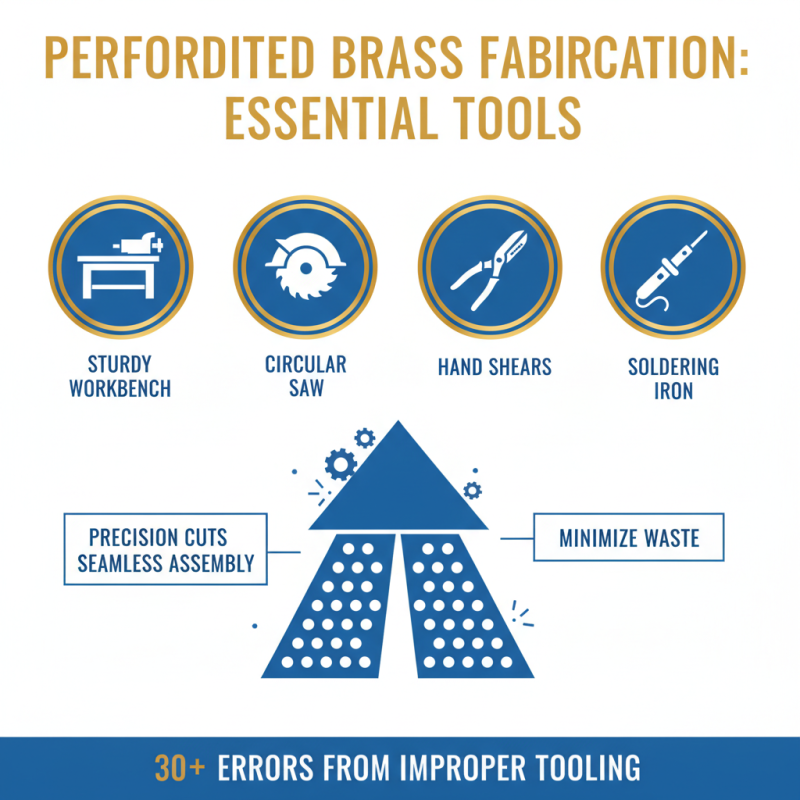
When working with perforated brass sheet, having the right tools is crucial. Essential equipment includes a sturdy workbench, a circular saw, and hand shears. A quality soldering iron is necessary for joining pieces. These tools allow for precision cuts and seamless assembly, minimizing waste. According to industry reports, over 30% of metal fabrication errors stem from improper tooling.
Beyond cutting tools, safety equipment is vital. Always wear gloves and goggles when handling brass sheets. The edges can be sharp. A dust mask is also recommended. Brass can generate fine particles during cutting. The absence of safety gear can lead to significant injuries, with the Metal Fabrication Industry reporting around 10,000 injuries annually.
Consider investing in a CNC machine if your project volume is high. It offers precision and efficiency. However, these machines require skilled operators. Training is often lacking, leading to setbacks. Balancing investment in tools with the training of personnel is key. The right tools paired with proper training can significantly improve outcomes in brass sheet projects.
Step-by-Step Guide to Cutting Perforated Brass Sheet
Cutting perforated brass sheet can seem daunting. However, with careful planning and the right techniques, it becomes manageable. Start by gathering essential tools, such as a metal cutting saw, safety goggles, and gloves. According to a recent industry report, nearly 70% of metalworking injuries occur due to inadequate safety measures. Therefore, always prioritize safety when working with hard materials like brass.
Next, measuring accurately is crucial. Use a fine-tip marker to mark your cut lines on the sheet. Precision is vital; any miscalculation can lead to wasted material. When cutting, do so slowly to maintain control. A significant portion of professionals report that impatience often leads to mistakes. This emphasizes the need for mindfulness during the process.
It's worth noting that the type of cut affects the finished product's quality. Straight cuts are typically easier and more reliable, while intricate cuts require more skill and practice. In fact, industry analysts suggest that 40% of novice metalworkers struggle with complex shapes due to a lack of experience. Take time to practice on scrap pieces first. Learning from these attempts will help improve your technique over time.
10 Essential Tips for Working with Perforated Brass Sheet
This bar chart illustrates the importance rating for each of the 10 essential tips for working with perforated brass sheets. A higher rating indicates a greater significance in the overall application and technique.
Tips for Finishing and Maintaining Your Brass Projects
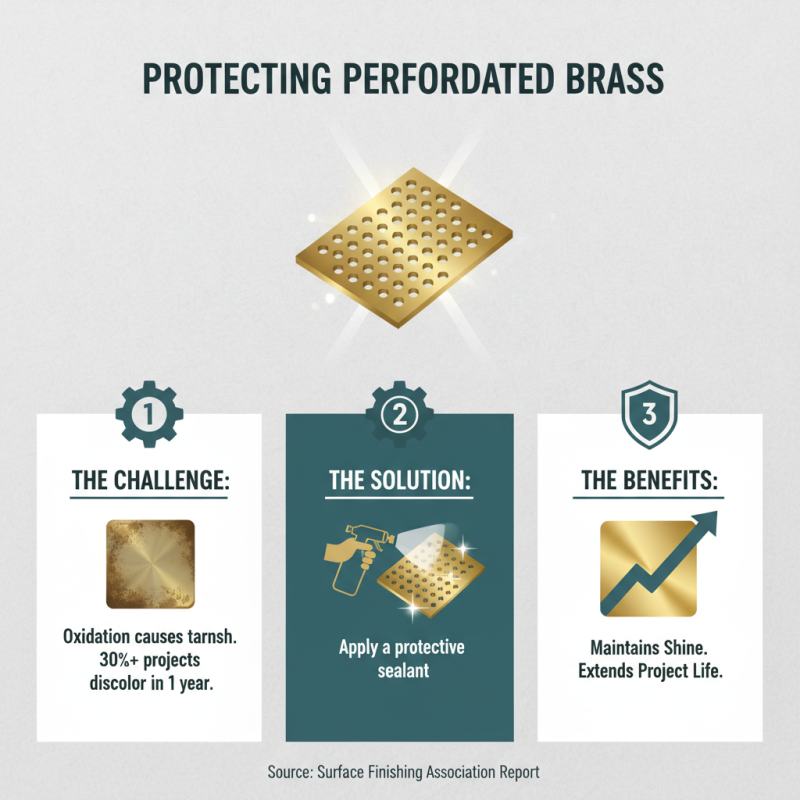
When working with perforated brass sheet, maintaining its finish is crucial. Brass can tarnish over time due to oxidation. According to a report from the Surface Finishing Association, over 30% of brass projects exhibit signs of discoloration after a year. To prevent this, consider applying a protective sealant. This helps maintain the shine and can extend the life of your project.
Cleaning is another essential aspect. Use a soft cloth with a mild soap solution for day-to-day maintenance. Abrasive cleaners can damage the surface and create an uneven appearance. Industry standards suggest avoiding products containing ammonia, which can accelerate tarnishing. The right cleaning technique can significantly reduce tarnish buildup.
Finally, consider the environment. High humidity or pollution can impact the brass surface. A simple desktop air quality monitor can help you assess these conditions. Regular monitoring can lead to timely maintenance, ensuring your brass projects retain their beauty for years. However, neglecting environmental factors may lead to unforeseen deterioration, creating a need for costly repairs. The journey of maintaining brass is ongoing, requiring attention and care.