How to Choose the Right Perforated Steel Sheet for Your Project?
Choosing the right Perforated Steel Sheet can be challenging. Various factors influence your decision. These include the sheet's size, hole pattern, and thickness.
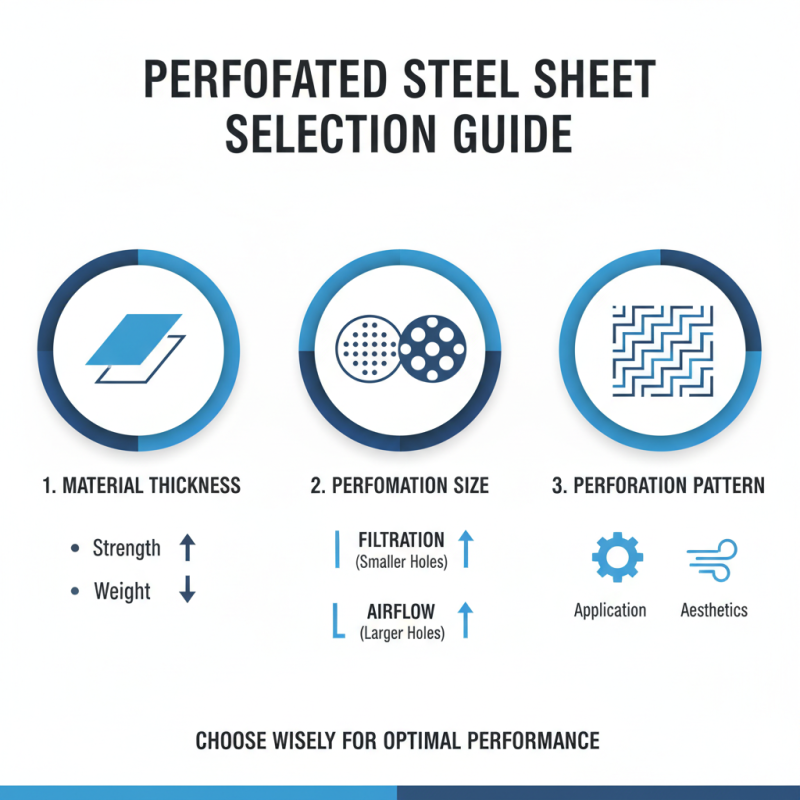
Perforated Steel Sheets come in many designs. Some are more suitable for specific applications. For example, a sheet with larger holes may work better for ventilation. However, smaller holes may be needed for filters. It's essential to think about the intended use.
Sometimes, the process feels overwhelming. You might wonder if you've made the best choice. It's normal to question your decisions. Take a moment to reflect on your priorities. Analyze your needs carefully. This approach ensures you select the right Perforated Steel Sheet for your project.
Understanding Perforated Steel Sheets and Their Applications
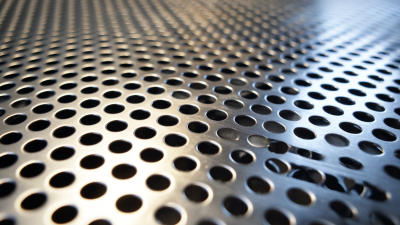
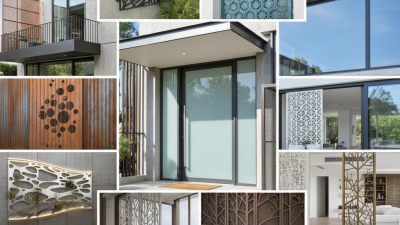
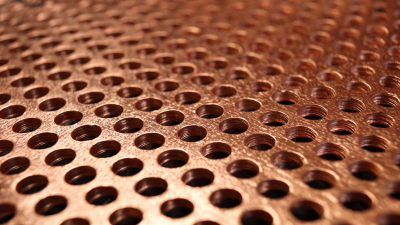
Perforated steel sheets are widely used in various industries due to their strength and versatility. They are made by punching holes into steel sheets, creating a range of patterns and hole sizes. This allows for different applications, from filtration systems to architectural designs. Their lightweight nature makes them easy to handle, but choosing the right sheet can be tricky.
Consider the purpose of your project when selecting perforated steel. For example, a project requiring airflow might need larger holes, while decorative applications might favor smaller, intricate patterns. Additionally, think about material thickness. Thicker sheets offer more durability but can weigh more and be harder to work with. Some projects could benefit from custom hole shapes, which may not be standard.
Don't overlook factors like finish and corrosion resistance. If the sheet will be exposed to harsh conditions, a protective coating is essential. You might also find that costs increase with customization. Balancing your budget with your project's needs can be a daunting task. In some cases, you might need to revise your design to accommodate material constraints. It’s all part of finding the perfect fit for your project.
Different Types of Perforation Patterns and Their Benefits
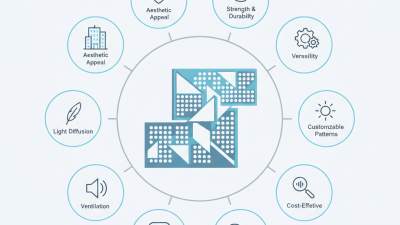
When selecting a perforated steel sheet, understanding different perforation patterns is key. Circular holes are common. They provide good airflow and drainage. Square holes, on the other hand, can support heavy loads. They also allow large amounts of light to pass through. Triangular patterns create unique aesthetics. These are suitable for artistic projects or modern architecture.
Tips: Consider the main function of your project. If you need ventilation, choose a design with larger holes. For noise reduction, smaller holes are better. Analyze the load-bearing requirements. Patterns should cater to structural integrity as well.
Various shapes influence appearance and performance. Custom shapes blend functionality with design. However, not every pattern fits every need. Take time to research how different patterns perform under specific conditions. A poorly chosen perforation can lead to failure, affecting your overall project success.
Types of Perforation Patterns and Their Benefits
Evaluating Material Thickness and Sheet Size for Your Needs
When evaluating material thickness and sheet size for your perforated steel sheet needs, start by considering your project requirements. Thickness is crucial. Thicker sheets offer more strength. They can withstand heavier loads. However, they might be more challenging to work with. Lighter sheets are easier to manipulate but may not hold up under stress. Think about the environment too. If your project faces harsh conditions, thicker materials could be a better choice.
Next, focus on the size of the sheets. Measure the specific area you plan to cover. Optimal dimensions can reduce waste. But, larger sheets may require special handling. Additionally, smaller sheets can be easier to transport. Take into account how you'll cut or shape the sheets. Precision in size is vital, as poorly cut sheets can lead to project delays. Be prepared to rethink your choices if initial measurements don't align with your end goals. Adjustments may be necessary as you progress. Each step can teach you something new about material selection.
How to Choose the Right Perforated Steel Sheet for Your Project?
| Material Thickness (mm) |
Sheet Size (mm) |
Hole Diameter (mm) |
Open Area (%) |
Weight (kg/m²) |
| 1.0 |
1000 x 2000 |
5.0 |
30 |
7.85 |
| 1.5 |
1200 x 2400 |
6.0 |
35 |
11.79 |
| 2.0 |
1500 x 3000 |
7.0 |
40 |
15.68 |
| 3.0 |
2000 x 4000 |
8.0 |
45 |
23.43 |
Cost Considerations and Supplier Options for Perforated Steel Sheets
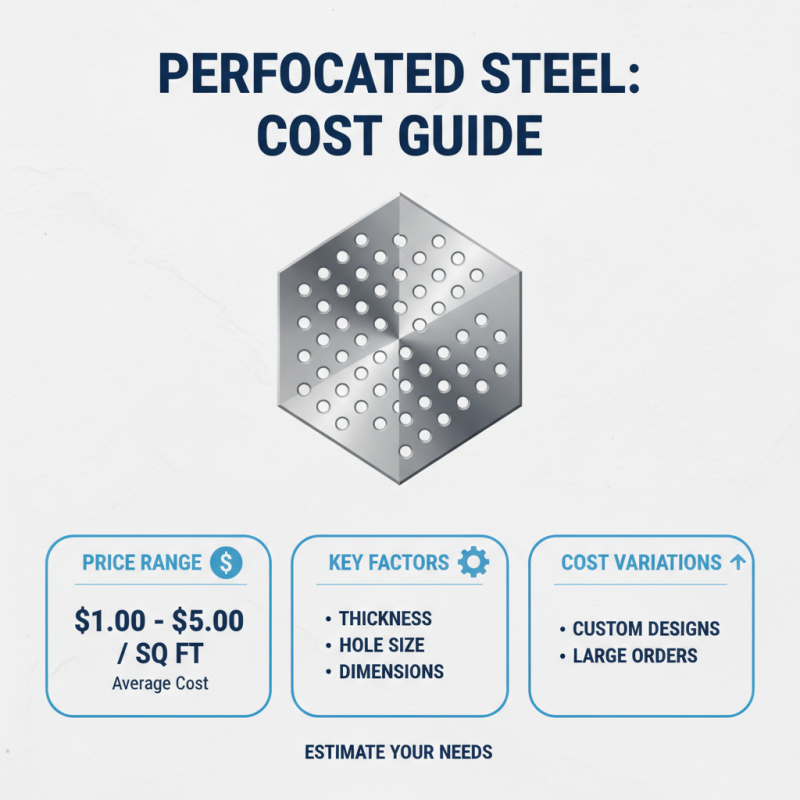
When choosing perforated steel sheets, cost is a critical factor. Prices can vary significantly based on material thickness, hole size, and sheet dimensions. A recent industry report suggests that the average cost of perforated steel ranges from $1.00 to $5.00 per square foot. This cost can increase with custom designs or larger volume orders. It's essential to estimate your total needs to avoid overspending.
Supplier options also play a key role in your project’s success. Research shows that local suppliers often provide better shipping rates and quicker delivery times. However, larger manufacturers may offer competitive pricing and a broader range of options. Collecting quotes from multiple suppliers can help you assess price variations. It’s crucial to evaluate the quality of materials as well. Some suppliers may cut costs on raw materials, leading to a decrease in durability. Always check reviews and past projects to ensure you're making a sound choice.
Considering these factors can be overwhelming. A balance between cost and quality is necessary. You may find low-cost sheets that compromise on performance. Or, you could pay a premium without understanding their value. Analyzing your specific needs will yield the best outcomes.