How to Choose the Best Perforated Screen Panels for Your Project?
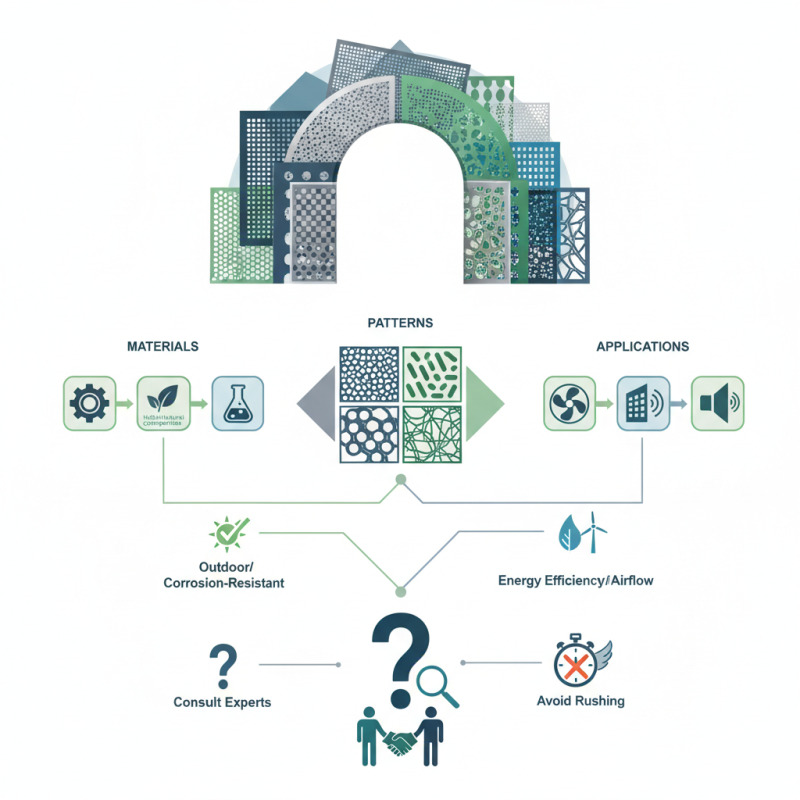
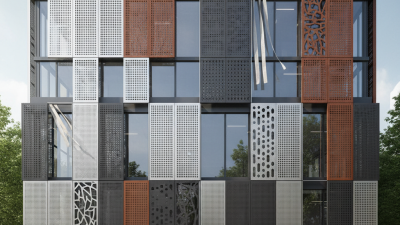
Choosing the right Perforated Screen Panels can significantly impact your project's success. These panels serve various functions, from enhancing aesthetics to improving ventilation and sound control. An informed decision requires understanding the materials, patterns, and applications available.
Consider the environment where these panels will be used. For instance, outdoor settings may require corrosion-resistant materials. The pattern of perforation also affects airflow and light passage. A project aimed at energy efficiency will benefit from specific designs.
Mistakes can occur when rushing this choice. Not all panels fit every need. Take time to evaluate your options carefully. Consult with experts if needed. Their insights can ensure you select the most effective panels tailored for your project.
Understanding the Basics of Perforated Screen Panels
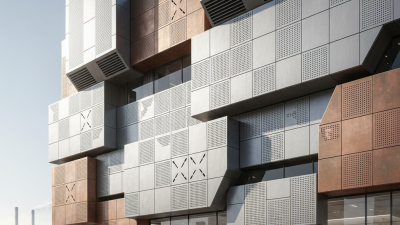
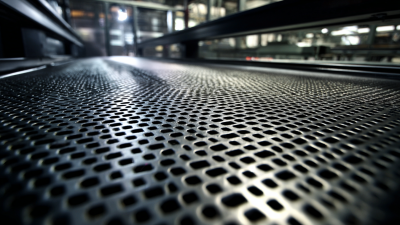
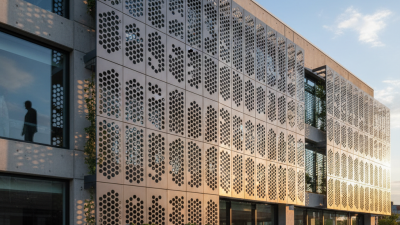
Perforated screen panels are versatile materials often used in construction and design. Understanding their basics is crucial for any project. These panels feature holes that can vary in size and pattern, which influence their function and aesthetics. They allow airflow, light penetration, and sound attenuation. Each of these factors plays a role in your design goals.
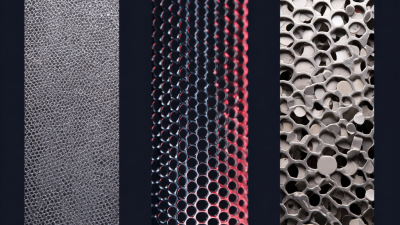
When choosing perforated panels, consider the material. Metals, plastics, and composites each offer unique characteristics. Metals can provide strength and durability. Plastics can be lightweight and cost-effective. Composites combine benefits, offering both strength and aesthetic appeal. Reflect on the longevity needed for your project.
Tips: Evaluate the hole pattern based on your needs. For instance, larger holes may enhance visibility while smaller ones improve sound absorption. Also, think about the spacing. Improper spacing can lead to uneven appearance or functionality. Pay attention to maintenance; some materials require frequent cleaning to maintain their looks. These considerations can shape your project's success.
Identifying Your Project Requirements and Goals
Choosing the right perforated screen panels starts with understanding your project requirements. You need to consider various factors such as the material, hole size, and thickness. Each factor plays a crucial role in meeting your project's goals.
When selecting perforated panels, think about their intended use. Are they for sound absorption or ventilation? Different applications require different specifications. Remember, striking a balance between functionality and aesthetic appeal can be challenging.
Tips: Always look for panels that serve multiple purposes. Consider how the design can affect light and air flow. Custom sizes might be needed, which can complicate your choices. Don’t rush; reflect on how each option fits your needs. Make sure to weigh the pros and cons carefully. Test samples whenever possible to see how they work in real life. Taking the time to evaluate these aspects can save headaches later on.
Choosing the Best Perforated Screen Panels for Your Project
Evaluating Material Options for Durability and Performance
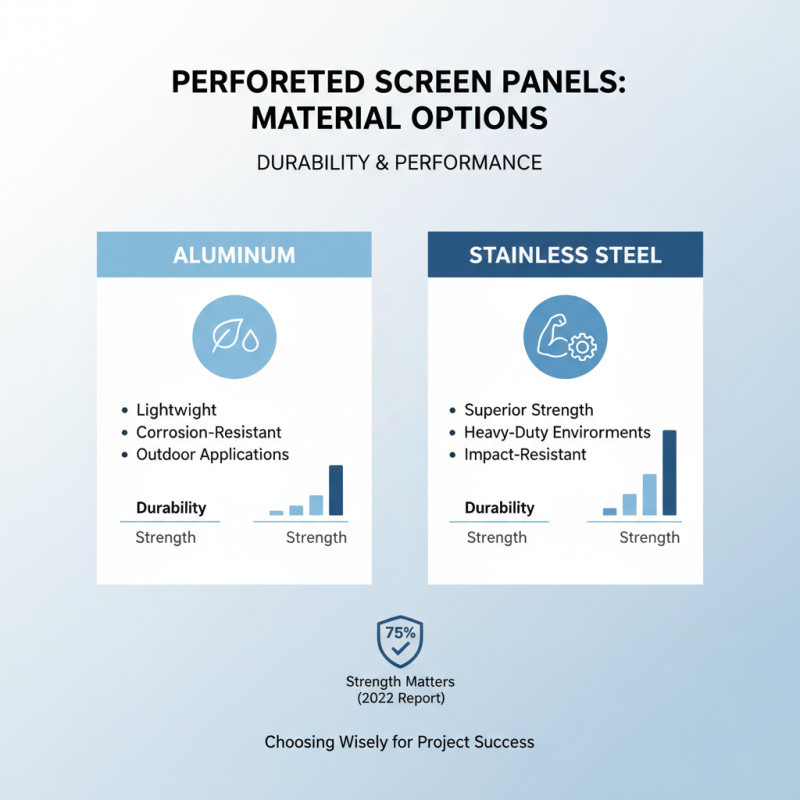
Choosing the right material for perforated screen panels is crucial for project success. Durability and performance are critical factors. According to the "2022 Construction Materials Report," 75% of respondents emphasized the importance of material strength. Aluminum and stainless steel are common choices, each offering unique benefits. Aluminum is lightweight and corrosion-resistant, ideal for outdoor applications. Conversely, stainless steel provides superior strength, making it suitable for heavy-duty environments.
Consider the thickness of your panels. Thicker materials often enhance durability but can add weight. A balance is necessary. The "Materials Science Journal" noted that 0.5mm thickness can significantly improve lifespan, especially in challenging conditions. Take the time to evaluate environmental factors. Exposure to chemicals or harsh weather can impact performance.
Tip: Always request samples to test in your specific environment. They provide valuable insight into how materials will perform long-term. Another tip is to review the manufacturer’s warranty. A robust warranty often indicates confidence in product durability. Proper selection contributes to project efficiency and long-lasting outcomes.
Selecting the Right Hole Pattern and Size for Your Needs
When selecting perforated screen panels, understanding the right hole pattern and size is critical. Each project has unique requirements, and the hole configuration can significantly influence functionality. For instance, studies indicate that panel hole size can affect airflow by up to 30%. This means that a small variance in hole diameter may lead to substantial differences in performance.
Choosing the right pattern involves considering several factors. The spacing of holes can impact strength too. According to a report by the American Society of Mechanical Engineers, panels with closely spaced holes can exhibit higher structural integrity. This is particularly important in applications where durability is essential. However, excessively dense patterns may restrict light or airflow, which might not be advisable in certain settings.
The size of holes also plays a pivotal role in aesthetic appeal. Larger holes may provide a more industrial look, while smaller ones can offer a sleek, modern appearance. Designers must balance functional needs with visual impact. Reflecting on these choices is vital; each decision can shape how effectively a project meets its intended purpose.
Considering Cost and Installation Factors for Your Project
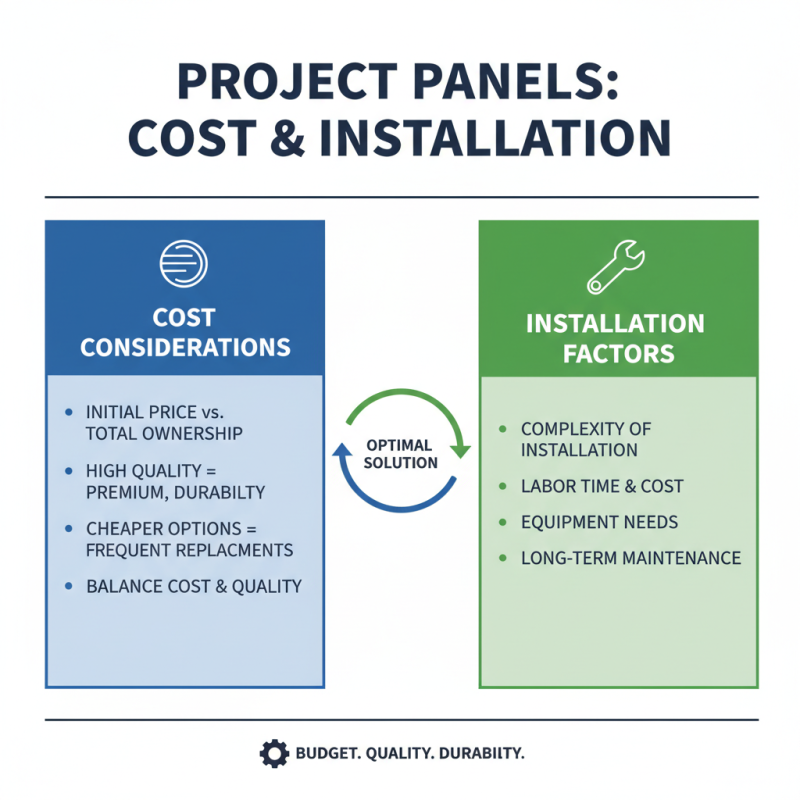
When selecting perforated screen panels, cost and installation are critical factors. Budget constraints can shape your choices. High-quality panels may come at a premium. However, cheaper options might not offer long-lasting performance. Balancing cost and quality leads to more durable solutions. Consider the total cost of ownership, not just the initial price. Low-quality panels may require frequent replacements, raising overall expenses.
Installation is another key aspect. Some panels need professional help for proper setup. This can add to the cost. On the other hand, simpler designs may allow for DIY installation. Doing it yourself can save money. However, improper installation might lead to issues down the line. Assess your skills and available tools before deciding. Think about the installation environment too. Different materials perform variably in unique settings, affecting longevity.
Reflect on your project needs. Are you prioritizing aesthetics, durability, or airflow? This will guide your decision. Additionally, consider local building codes. Compliance is crucial for any project. It can affect both installation and material choices. A well-informed approach will lead to better outcomes. By understanding these factors, you can make a more confident decision.