How to Choose the Best Perforated Corrugated Metal for Your Project?
Choosing the right material for your project is crucial. When it comes to durability and aesthetics, Perforated Corrugated Metal stands out. This material is versatile, making it suitable for various applications. Whether you need it for roofing, fencing, or decorative accents, understanding your options is key.
Different types of Perforated Corrugated Metal offer unique benefits. Some might provide better airflow, while others focus on strength. It's essential to evaluate your specific needs. Take into account the environment where the metal will be used. Consider factors like weather conditions and exposure to elements. This attention to detail will ensure your project’s success.
Bear in mind, however, that not all suppliers are equal. Research reputable manufacturers to ensure quality. Price is important, but it shouldn’t be the only criterion. Balance cost with durability and appearance. Mistakes can be costly. So, take your time in making a well-informed choice. The right Perforated Corrugated Metal will elevate your project and ensure it lasts.
Understanding Perforated Corrugated Metal: Key Features and Benefits
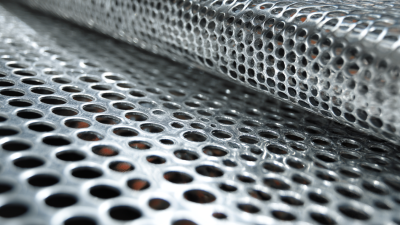
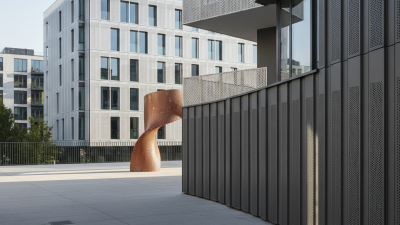
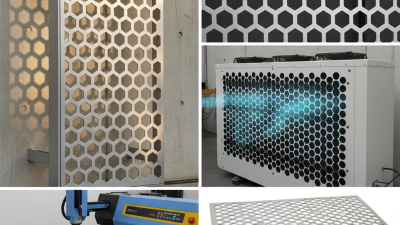
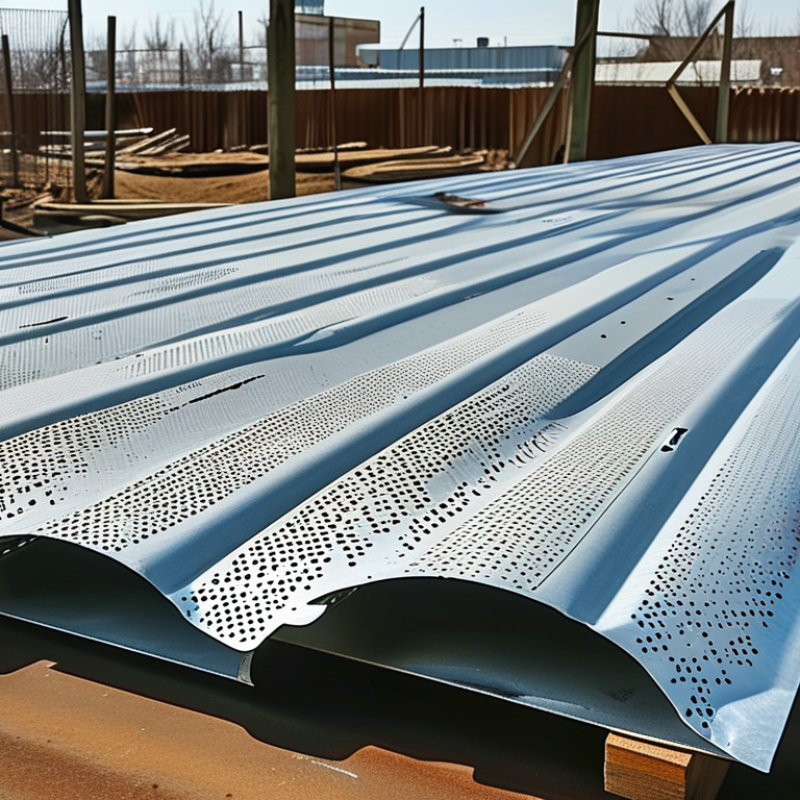
Perforated corrugated metal combines functionality and aesthetic appeal. Its unique structure allows for light, air, and sound to pass through while maintaining strength. This makes it an excellent choice for various applications, including facades, fencing, and decorative elements.
Key features of perforated corrugated metal include its durability and versatility. It is typically made from galvanized steel, ensuring resistance to rust and corrosion. The perforation pattern can be customized to fit the project needs, offering both practical and design benefits. For instance, these panels can regulate temperature and enhance ventilation, making them useful in energy-efficient designs.
When choosing the best perforated corrugated metal for your project, consider the following tips. Assess the thickness needed for your specific application. Thicker materials provide greater strength but can be heavier. Also, examine the hole patterns. Larger holes allow for more airflow, while smaller ones provide more privacy. Finally, think about the finish. Powder-coated surfaces add color and additional protection, enhancing both longevity and visual appeal.
How to Choose the Best Perforated Corrugated Metal for Your Project?
| Feature |
Description |
Benefits |
| Material Type |
Aluminum, Steel, Galvanized |
Durability and Corrosion Resistance |
| Hole Size |
Small, Medium, Large |
Light Weight and Aesthetic Appeal |
| Thickness |
0.5mm, 1.0mm, 1.5mm |
Strength and Structural Integrity |
| Finish |
Powder Coated, Anodized |
Enhanced Aesthetic Quality and Resistance to Weathering |
| Application |
Architectural, Industrial, Decorative |
Versatility in Various Projects |
Evaluating Material Types: Aluminum vs. Steel in Perforated Metal
When selecting perforated corrugated metal for your project, the choice between aluminum and steel is crucial.
Aluminum is lightweight and resistant to corrosion, making it suitable for outdoor applications. It often lasts longer in harsh environments.
However, it can be more expensive, which raises budget concerns for some projects. The ease of installation is a plus, but be cautious about its strength under heavy loads.
On the other hand, steel is robust and often more affordable. It offers excellent durability and strength, making it an ideal choice for structural applications.
Steel can rust without proper treatment, so consideration of long-term maintenance is key. If you choose steel, ensure it has a protective coating to enhance its lifespan.
Both materials have advantages and drawbacks. It’s important to assess your specific needs carefully. Reflect on your project's demands and budget.
Weigh all factors to make a well-informed decision that aligns with your goals. This process may take time, but it will pay off in the end.
Sizing and Thickness Considerations for Optimal Performance
When selecting perforated corrugated metal, sizing and thickness play crucial roles. The thickness of the metal impacts its durability and resistance to bending. Thicker materials can withstand more pressure and offer better longevity. For outdoor projects, consider how weather conditions will affect the metal's performance. A gauge thickness suitable for your specific climate is advisable.
Sizing is equally important. The dimensions of the perforations determine airflow and drainage capabilities. Smaller holes provide more strength, while larger ones enhance airflow. Evaluate the intended use of the panels. If they will support heavy loads, a robust size is critical. Adjusting the size of the perforations might require some experimentation to achieve optimal results.
Think critically about your project needs. Sometimes the most robust materials may not be the best choice. Over-engineering can lead to unnecessary costs and complexities. Always balance between required durability and practicality. Optimal performance often comes from careful consideration of both size and thickness. Keep an open mind as you assess each element and how it aligns with your goals.
Choosing Hole Patterns and Sizes for Specific Applications
When selecting perforated corrugated metal, hole patterns and sizes greatly impact functionality. For ventilation purposes, larger holes let more air flow. Smaller holes can filter particles while offering some degree of airflow. Think about the purpose behind each application. A decorative element might use unique patterns, while utility aspects focus on efficiency.
Common hole patterns include round, square, and slotted shapes. Each offers distinct benefits. Round holes are versatile and easy to clean. Slotted holes allow for some flexibility in airflow. However, selecting the wrong size or pattern can lead to inefficiency. For instance, using too large a hole can compromise structural integrity.
Consider your needs carefully. Are you prioritizing airflow, aesthetics, or strength? Your choice shapes the end result. It might seem straightforward, but a hasty decision can yield unexpected issues. Test small samples before committing to a specific design. This trial approach minimizes potential mistakes in your final project. It’s a crucial step that’s often overlooked yet essential.
Durability and Maintenance: Ensuring Longevity in Your Selection
When selecting perforated corrugated metal, durability and maintenance are essential factors. High-quality materials can withstand harsh weather conditions and resist rust. Look for metals with protective coatings that enhance longevity. Consider how often the surface will need cleaning or repainting. Regular maintenance can prevent deterioration over time.
It's important to understand the installation process. Improper installation can lead to issues down the road. Assess the design of your project. A complex shape may require additional effort to maintain. Consult industry professionals if you are uncertain about your choices. They can offer valuable advice on the best practices.
Think about the environment where the metal will be used. Specific locations may have elements that accelerate wear. Factor in potential contaminants, such as water or chemicals. Reevaluate your options if you notice signs of early wear or corrosion. Longevity in your selection is not just about the metal; it’s about the care it receives throughout its lifespan. Making informed decisions today will impact the future durability of your project.