How to Choose the Right Perforated Brass Sheet for Your Project?
When selecting a perforated brass sheet for your project, the choices can be overwhelming. Expert John Albers, a materials engineer with over 15 years in the field, emphasizes, “Understanding your specific needs is key to choosing the right perforated brass sheet.” This statement resonates deeply within the industry, as the right choice can significantly impact both functionality and aesthetics.
Perforated brass sheets are versatile and used in various applications, from architectural designs to industrial filters. Each project has unique requirements. You must consider factors such as hole size, sheet thickness, and the overall design. The options seem endless. Without a clear understanding, one might feel lost in a sea of choices.
Sometimes, what appears perfect may not serve the project well in practice. It’s essential to reflect on whether the chosen perforated brass sheet meets your needs for durability and appearance. A thoughtful approach can lead to impressive results, enhancing both the quality of your work and ensuring long-lasting satisfaction.

Understanding Perforated Brass Sheet Characteristics
When selecting a perforated brass sheet, understanding its characteristics is crucial. Perforated brass offers unique aesthetic and functional properties. It combines beauty with durability, making it ideal for various projects. The patterns and hole sizes can vary widely, influencing both appearance and performance. Choosing the right configuration is essential for achieving your design goals.
Thickness plays a vital role in the sheet's strength and flexibility. A thicker sheet can withstand more stress, while a thinner sheet may be easier to manipulate. Additionally, consider the brass alloy composition. Different alloys can enhance corrosion resistance or provide a specific color hue. Pay attention to the finish as well; polished sheets offer a shiny look, while matte finishes present a more subdued appearance.
Many projects can benefit from perforated brass, yet not all configurations work perfectly for every application. Initial designs might not meet expectations, which necessitates reassessment. Testing different patterns and layouts can help identify the most suitable option. Exploring various suppliers can also lead to better insights into the available choices. Always keep in mind that the right perforated brass sheet can elevate your project, but careful consideration is key.
Identifying Your Project Requirements and Specifications
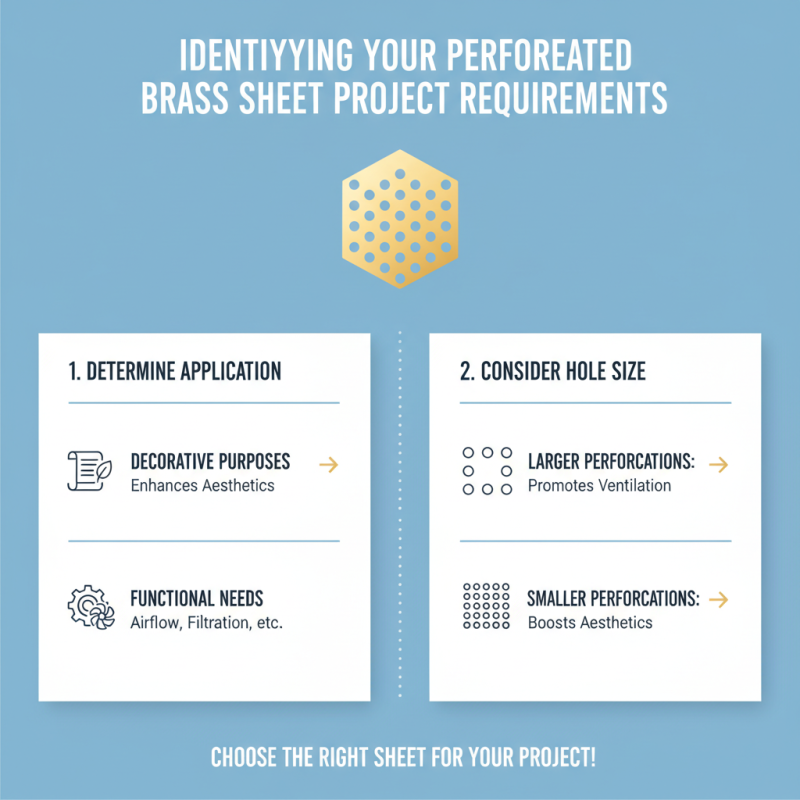
When selecting the right perforated brass sheet, understanding your project requirements is essential. Begin by assessing the specific application. Are you using it for decorative purposes or functional needs? For example, if your design requires excellent airflow, the size of the holes matters a lot. Larger perforations promote ventilation, while smaller ones enhance aesthetics.
Material thickness is another key consideration. Thicker sheets offer durability, but they may be challenging to work with. If precision cutting is necessary, a thinner sheet might be a better choice. Additionally, think about finish and corrosion resistance. Different projects may call for varied levels of sheen or patina. A good finish not only enhances look but also impacts longevity.
Reflect on how you plan to use the brass sheet. Will it be indoors or outdoors? The environment can affect material choice significantly. Mistakes in material selection can lead to waste and cost overruns. Always measure accurately and consult with experts to avoid potential pitfalls. By keeping these factors in mind, you can ensure a better fit for your project.
Choosing the Right Hole Size and Pattern for Functionality
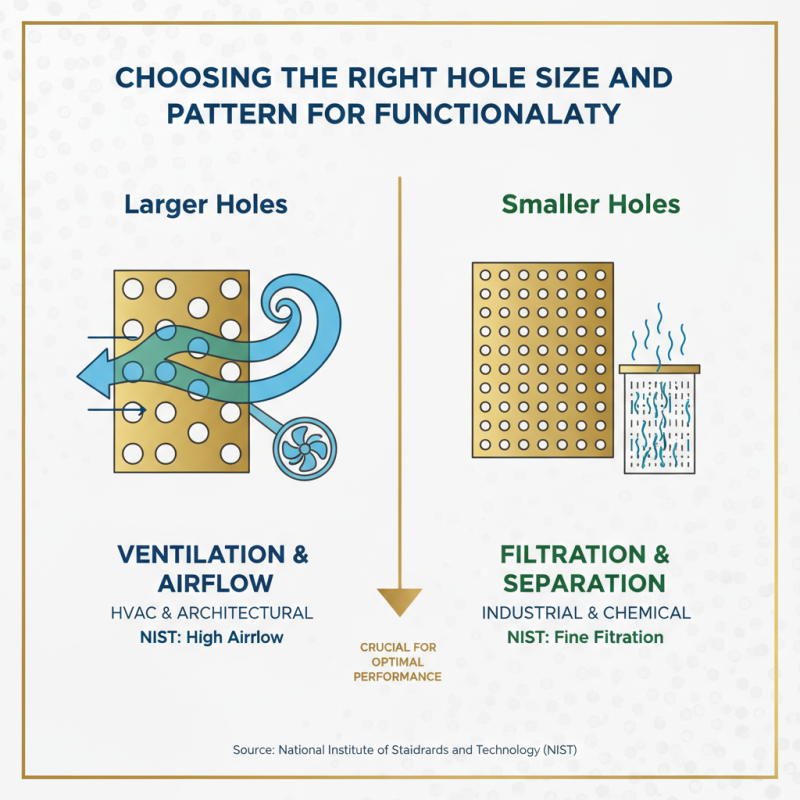
Choosing the right hole size and pattern for perforated brass sheets is crucial for many applications. The hole size directly impacts the sheet's functionality. For instance, the National Institute of Standards and Technology reports that sheets with larger holes are suitable for ventilation, while smaller holes are better for filtration. This consideration is vital in sectors like HVAC where airflow is paramount.
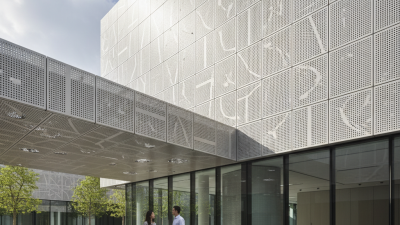
The pattern of holes also plays a significant role. A triangular pattern may offer different structural integrity compared to a square one. Some patterns improve sound absorption, which is essential in architectural design. According to a study by the American Institute of Architects, strategically placing holes in various patterns can lead to better acoustic performance in public spaces.
While selecting, you might face challenges. Many users underestimate how hole size can affect both aesthetic and functional purpose. It's essential to consider the specific requirements of your project. Too large a hole can hinder strength, while too small can restrict fluid dynamics. Striking the perfect balance requires careful consultation with professionals who understand these intricacies. Your project's success may depend on these nuanced decisions.
Evaluating Thickness and Durability for Your Application
When selecting a perforated brass sheet, thickness and durability are paramount. The right thickness ensures that the material can withstand the demands of your project. Thicker sheets generally offer greater strength and resistance to wear. However, this may also increase the overall weight. For applications requiring lightweight materials, thinner sheets may be preferable.
Consider the environmental conditions where the brass sheet will be used. Humidity, temperature variations, and exposure to chemicals can affect durability. A thicker sheet may resist corrosion better, while thinner options might be more susceptible to damage. If you’re unsure, conducting a small-scale test can provide insights into performance in real-world scenarios.
Tips: Always consult with a material expert before making your final choice. They can offer insights based on experience and help you avoid costly mistakes. Additionally, keep a sample of the brass sheet in your workshop. This can aid in evaluating its performance during early project phases. Don’t hesitate to reflect on previous experiences. What worked? What didn’t? Building on past lessons can lead to better material choices.
Perforated Brass Sheet Thickness and Durability Evaluation
Considering Finish and Aesthetic Options for Visual Appeal
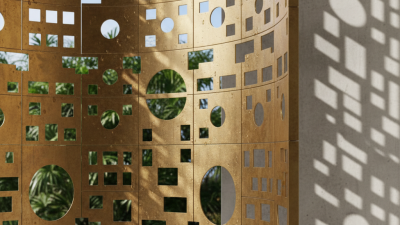
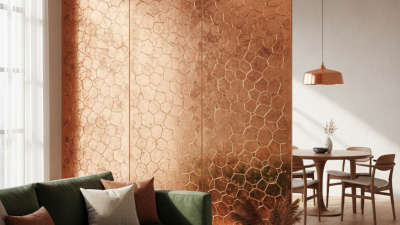
When selecting a perforated brass sheet, visual appeal is crucial. The finish of the brass can dramatically alter its aesthetic. Opt for brushed or polished surfaces to create different vibes. A brushed finish is often subtle, while polished brass shines brightly. These choices influence not only looks but also how the material interacts with light.
Consider how the perforation pattern affects the overall design. Larger holes can provide a more industrial feel, while intricate designs can offer elegance. Mixing sizes may yield unexpected yet delightful outcomes. Use samples to visualize how the brass complements your project.
Tips: Examine how light reflects off the surface when choosing a finish. Test various perforations to see what resonates with your vision. If the brass sheet appears too bold, try sanding it lightly. Each decision impacts the final appearance, and it's essential to reflect on these choices throughout the process.