Why Choose Perforated Metal Panels for Your Next Project?
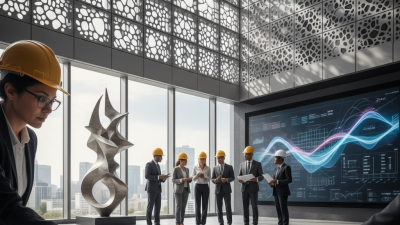
In the world of modern architecture, Perforated Metal Panels have become increasingly popular. Experts emphasize their versatility and functionality. According to Michael Thompson, a leading architect in sustainable design, "Perforated Metal Panels seamlessly blend aesthetics with practicality." These panels provide unique solutions for various applications, from facades to interior designs.
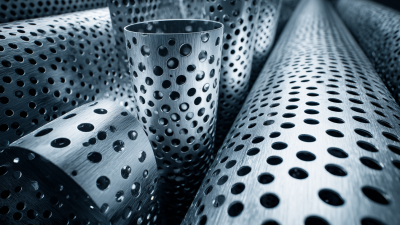
Perforated Metal Panels allow natural light to filter in while maintaining privacy. They can enhance airflow and reduce energy costs. Many design professionals appreciate the diverse patterns and finishes available. However, selecting the right perforation size and shape requires careful consideration. It is important to align the design intent with the panel's usability.
Despite their benefits, challenges may arise. Potential issues include corrosion and structural integrity over time. It is vital to choose high-quality materials and a reliable supplier. Understanding these aspects ensures that the final project not only looks good but also performs well. Ultimately, Perforated Metal Panels can be a valuable addition to any project when thoughtfully implemented.
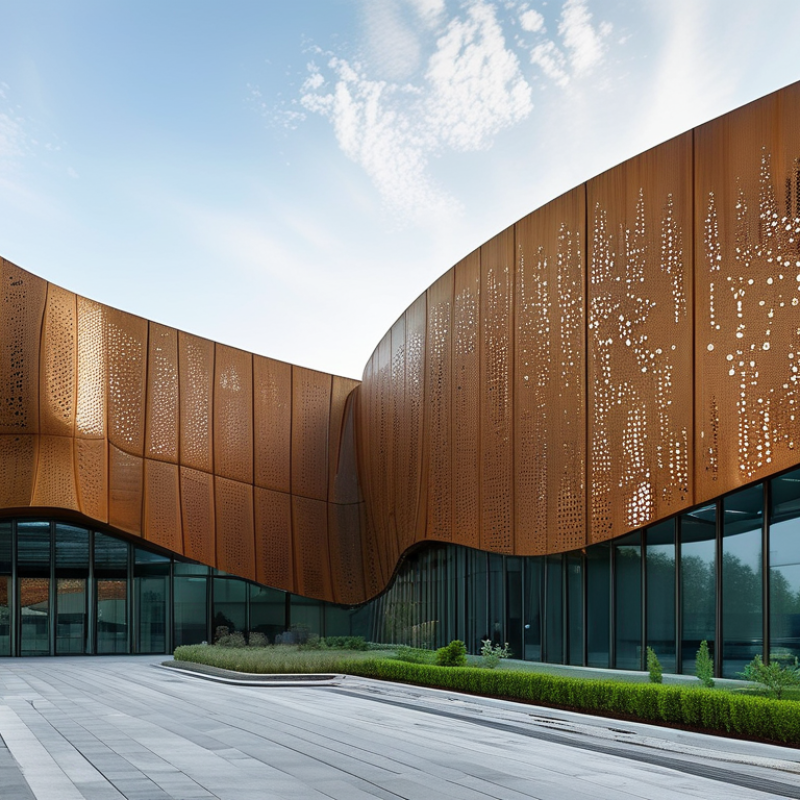
Benefits of Perforated Metal Panels in Architectural Design
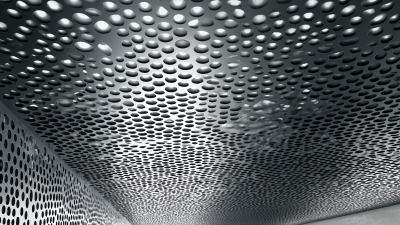
Perforated metal panels are gaining traction in architectural design due to their versatility and aesthetics. These panels allow for a play of light and shadow, creating unique visual effects. A recent report by the Metal Construction Association highlights that over 35% of architects now incorporate perforated metals into their projects. This trend reflects the growing appreciation for innovative materials in modern design.
Another significant benefit lies in the panels' functionality. They offer both ventilation and privacy, making them ideal for facades. According to architectural studies, spaces that utilize perforated panels can improve air flow, leading to more sustainable buildings. However, the challenge lies in selecting the right perforation pattern. This choice impacts not just aesthetics but functionality as well. Designers must balance aesthetics and practicality carefully.
Additionally, the durability of these panels contributes to their appeal. Many manufacturers claim a lifespan exceeding 20 years. Yet, without proper maintenance, their longevity can diminish. This raises questions about installation processes and the need for ongoing care. Each project requires thoughtful consideration of these elements to ensure the desired outcome is achieved.
Durability and Maintenance Factors of Perforated Metals
Perforated metal panels are increasingly popular due to their durability and low maintenance requirements. Reports indicate that these materials can withstand harsh weather and varying temperatures. For example, studies show that they are resistant to corrosion, making them ideal for outdoor applications. In addition, perforated metals can have a lifespan of over 25 years with proper care.
Maintenance of perforated metal panels is minimal. Regular cleaning with water is usually sufficient to maintain their appearance. Unlike other materials, they do not require frequent painting or sealing, which reduces long-term costs. A recent industry report highlighted that maintenance costs for perforated metals can be 30% lower compared to traditional materials. This makes them an attractive option for both residential and commercial projects.
While perforated metal panels excel in many areas, there are some factors to consider. Installation can be complex, requiring skilled labor to ensure proper alignment and support. Also, depending on the design, perforated panels may not provide complete privacy. This calls for careful planning to balance aesthetics and functionality.
Why Choose Perforated Metal Panels for Your Next Project? - Durability and Maintenance Factors of Perforated Metals
| Feature |
Description |
Benefit |
| Durability |
Resistant to rust and corrosion when treated |
Longer lifespan reduces replacement costs |
| Lightweight |
Lower density than solid metal sheets |
Easier handling and installation |
| Aesthetic Appeal |
Available in various patterns and finishes |
Enhances visual interest in architectural designs |
| Ventilation |
Allows air and light to pass through |
Improved comfort in building interiors |
| Low Maintenance |
Requires minimal cleaning and upkeep |
Saves time and money on maintenance tasks |
| Customization |
Easily fabricated to desired specifications |
Tailored solutions for specific project needs |
Acoustic Performance of Perforated Metal Panels in Building Projects
Perforated metal panels are increasingly popular in building projects, especially for their acoustic performance. These panels can effectively absorb sound, enhancing the auditory environment within various settings. The strategic placement of holes in the metal allows for sound waves to pass through, which can significantly reduce noise levels.
In offices and public spaces, noise can be a distraction. Perforated panels can help address this issue. When installed on walls or ceilings, they create a more peaceful atmosphere. The design can also be aesthetically pleasing, bringing modernity to the building's interior. However, achieving optimal sound absorption may require careful consideration of hole size and spacing. Not all configurations yield the same results, so testing different designs is essential.
The durability of these panels is another key factor. They endure varying environmental conditions while maintaining performance. Still, they may require maintenance over time, especially if exposed to elements like moisture or pollutants. The balance between aesthetic appeal and practical function can be challenging. Making informed choices based on specific project needs and local conditions is crucial.
Sustainability and Recyclability of Perforated Metal Materials
Perforated metal panels are gaining popularity due to their sustainability and recyclability. These materials are often made from steel or aluminum, which are fully recyclable. When a project using perforated metal reaches the end of its life cycle, the material can be melted down and reused. This reduces waste and minimizes the need for new raw resources.
Incorporating perforated metal into design can enhance eco-friendliness. The production process usually consumes less energy than alternatives like plastic. This factor contributes to lower carbon emissions. Moreover, perforated panels can improve air circulation in building designs. This can reduce reliance on energy-consuming HVAC systems.
Tip: When selecting perforated metal, consider the weight and thickness. Thicker panels might offer durability, but they could increase production costs. Additionally, evaluate the pattern and hole size. Different designs can yield varied aesthetic and functional benefits.
Using perforated metal raises questions about sourcing. Investigate suppliers' sustainability practices. Look for certifications or environmental policies. This ensures your project stands on a solid foundation of ethics. Explore options in local sourcing to decrease transportation emissions. It adds to a project’s overall sustainability metrics.
Applications of Perforated Metal Panels in Various Industries
Perforated metal panels are increasingly popular across various industries due to their versatility and functionality. In architecture, they offer both aesthetic appeal and practical benefits. Architects often use these panels for building facades, allowing natural light while providing privacy. Their ability to reduce glare and control air flow makes them ideal for sustainable design.
In the automotive sector, perforated metal panels play a crucial role in manufacturing processes. They are used in production lines for ventilation and cooling. Additionally, they can aid in noise reduction within the manufacturing environment. Their lightweight and durable characteristics contribute to efficient production without compromising safety.
Moreover, the healthcare industry utilizes perforated metal panels for various applications. They are found in hospital ceilings, allowing for easy access to utilities while maintaining a clean environment. However, it's important to consider the maintenance of these panels; dirt and grime can accumulate over time, potentially affecting their performance. Each industry must assess its specific needs to maximize the benefits of perforated metal panels.