How to Choose Antiskid Perforated Mesh for Your Safety and Comfort?
Choosing the right Antiskid Perforated Mesh is crucial for safety and comfort. Industry expert Dr. Sarah Thompson emphasizes, “The right mesh can save lives by preventing slips and falls.” Her insights highlight the importance of selecting quality materials.
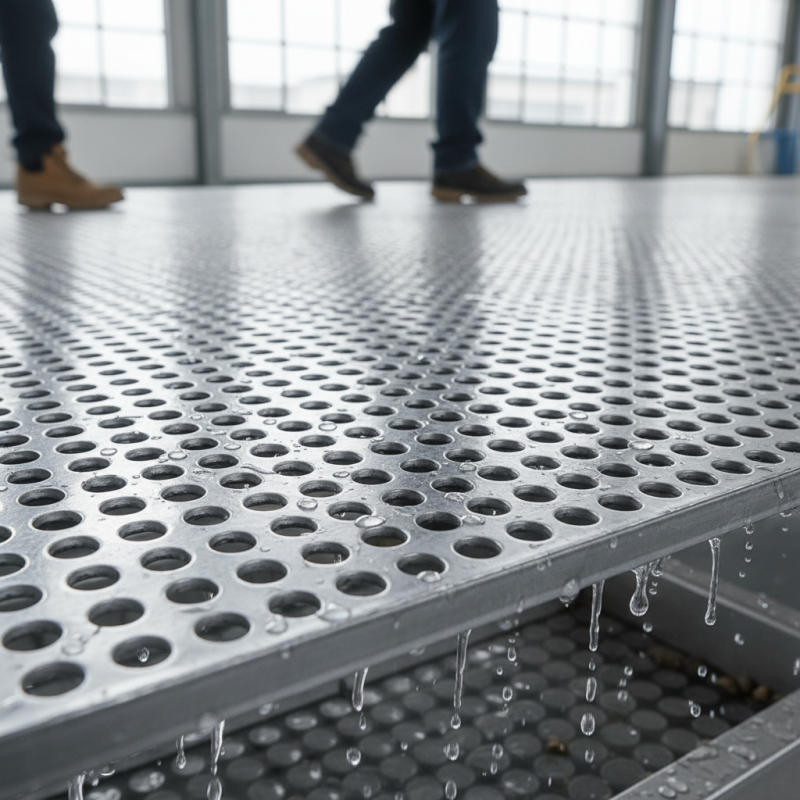
Antiskid Perforated Mesh serves various applications, from industrial floors to playgrounds. Its unique design enhances grip while allowing water and debris to pass through, preventing accumulation. However, not all meshes are created equal. Factors like material, size, and thickness can greatly impact effectiveness.
Understanding the specific needs of your environment is essential. A poorly chosen mesh might lead to accidents or discomfort. Always consider factors like foot traffic, exposure to elements, and maintenance. Reflect on how your choices influence safety and comfort in your space. The right Antiskid Perforated Mesh is an investment in security.
Understanding the Basics of Antiskid Perforated Mesh
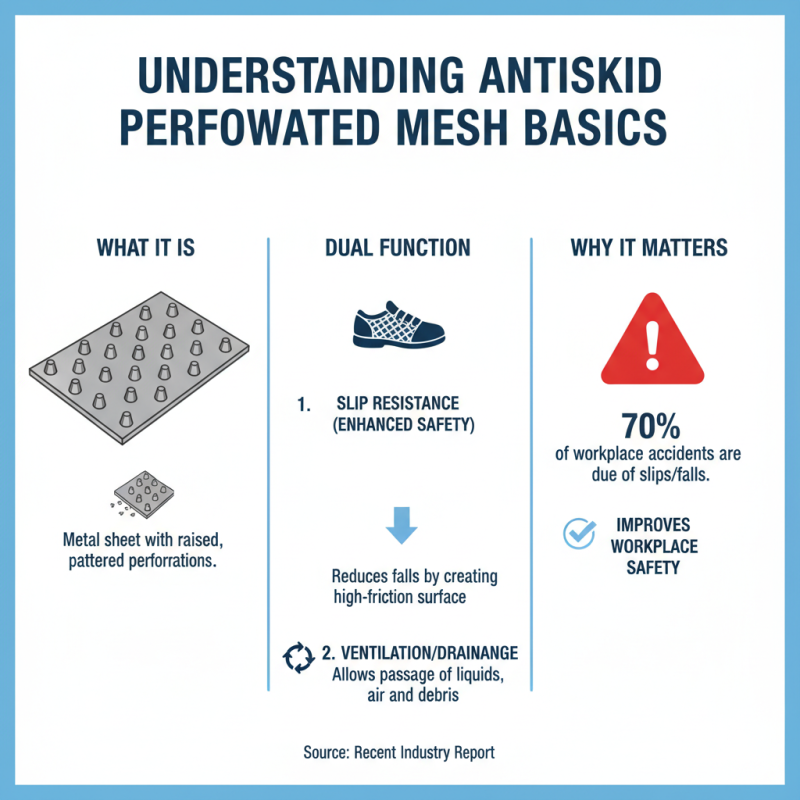
When selecting antiskid perforated mesh, it is essential to understand its fundamental properties. This type of mesh provides a combination of slip resistance and ventilation. A recent industry report highlights that 70% of workplace accidents stem from slips and falls. Therefore, integrating effective antiskid solutions can enhance safety significantly.
Antiskid perforated mesh features small holes that reduce water accumulation and improve surface traction. According to the American National Standards Institute (ANSI), surfaces with proper perforation can enhance grip by 30% in wet conditions. These meshes are commonly used in industrial settings and outdoor areas. They improve safety and comfort for workers and visitors alike.
Moreover, the choice of material affects durability and maintenance requirements. Metal meshes often provide more strength, while plastic options can be lighter and easier to handle. However, regular inspections are necessary to ensure they remain effective. Ignoring maintenance can lead to deterioration over time, potentially negating their safety benefits. Therefore, understanding these basics is crucial in making an informed decision.
Evaluating Material Options for Antiskid Perforated Mesh
When evaluating material options for antiskid perforated mesh, several factors come into play. The most common materials include plastic, metal, and composites. Each option has unique properties that affect safety and comfort. For instance, metal mesh offers strength and durability, but can be slippery when wet. In contrast, plastic mesh tends to provide better grip but might wear faster under heavy use.
Reports indicate that antiskid surfaces can reduce slip and fall accidents by up to 50%. This statistic underscores the importance of choosing the right material. Make sure to think about your environment. If moisture is a factor, prioritize materials with enhanced grip. Look for patterns and surface textures that amplify traction.
Tip: Testing the material in a controlled environment can help evaluate its performance before making a commitment. Visualize whether your choice meets safety standards and ensures comfort.
Consider not only the initial cost but also the longevity of the material. Some choices may require more maintenance, affecting overall satisfaction. Assess your specific needs and explore all options thoroughly. Ensure the chosen perforated mesh aligns with both safety regulations and comfort requirements. Regular reviews of material performance can prolong usability and satisfaction.
Identifying the Proper Mesh Specifications for Comfort and Safety
When selecting antiskid perforated mesh, understanding the specifications is crucial for ensuring safety and comfort. The size of the perforations greatly impacts slip resistance.
Larger holes may allow for better drainage but can reduce traction. Conversely, smaller holes provide grip but may trap debris and water, which can pose hazards.
The balance between these factors is critical.
Pay attention to the material and its properties as well. Some materials offer better durability against wear, while others may be lightweight but less stable.
A common error is choosing a mesh solely based on appearance. It’s vital to assess how it performs in real-life conditions. Testing under various scenarios, like wet surfaces or heavy foot traffic, reveals the true effectiveness of the mesh.
A deeper look into the design can help as well. Mesh with a textured surface often enhances grip. Failures can occur if users overlook the integrity of the connection points.
A poorly anchored mesh can lead to uneven surfaces, thereby increasing the risk of accidents. Always think critically about the long-term implications of your choice.
Assessing Installation Methods for Optimal Performance
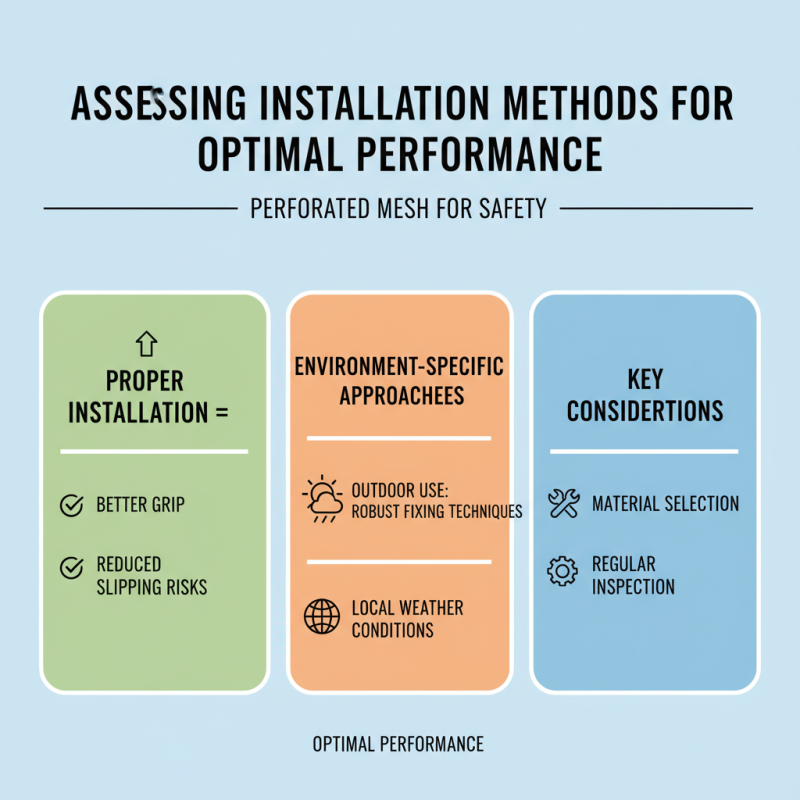
When selecting perforated mesh for safety, installation methods play a crucial role. Proper installation is essential for optimal performance. A well-installed mesh provides better grip and reduces slipping risks. Different environments require different approaches. For example, outdoor uses may demand more robust fixing techniques. An understanding of local weather conditions is also vital.
When installing perforated mesh, surface preparation is key. Ensure the surface is clean and free of debris. This allows for better adhesion, enhancing the mesh's performance. It's common to overlook small details like this. A simple mistake can lead to poor outcomes. Moreover, using the right tools can significantly affect the installation process. Selecting inappropriate tools may result in unnecessary complications.
Regular inspections of the installed mesh are equally important. Over time, wear and tear can compromise safety. Identify any signs of damage promptly. Feedback from users can also help in assessing effectiveness. This ongoing evaluation is vital for maintaining safety standards. Balancing comfort and safety requires constant awareness and adjustment.
Maintenance Tips for Longevity of Antiskid Perforated Mesh
Maintaining antiskid perforated mesh is critical for its performance and durability. Regular inspections help identify wear and tear early. Look for signs of damage such as fraying or rust. Even small issues can compromise safety. Cleaning is vital too; dirt and debris can reduce the mesh's effectiveness. Use a soft brush to remove particles. A gentle wash with soapy water works wonders.
After cleaning, ensure the mesh is completely dry to prevent mold growth. Moisture can lead to slippery surfaces, which is counterproductive. Store the mesh in a cool, dry place when not in use. UV exposure can weaken the material over time. Rotating the position of the mesh can help distribute wear evenly.
Users often overlook the importance of routine checks. Many believe that once it's installed, little else is needed. However, neglect can lead to safety hazards. Establishing a maintenance schedule can boost the lifespan of the mesh. Keep a record of any repairs or replacements needed. It fosters a proactive approach to safety. Your comfort and safety depend heavily on how well you care for your equipment.
Antiskid Perforated Mesh Usage and Maintenance Insights