China Best Stainless Perforated Sheet for Global Buyers?
In recent years, the demand for high-quality stainless perforated sheets has surged globally. This material is valued for its strength, versatility, and aesthetic appeal. Manufacturers in China have emerged as key players in this market. Their products cater to diverse applications, from architecture to industrial solutions.
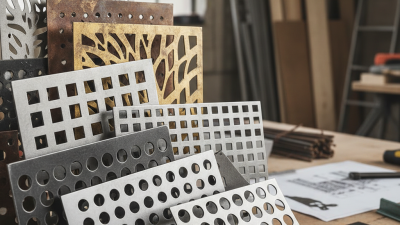
Chinese suppliers offer various patterns and hole sizes. This variety allows buyers to select the best option for their projects. However, not all manufacturers maintain the same quality standards. Potential buyers must choose wisely to ensure they receive durable and reliable products.
The market landscape is competitive, and prices vary significantly. While seeking cost-effective solutions, it is crucial to consider quality. Investing in a reputable supplier can prevent costly mistakes down the road. Understanding these factors can lead to smarter purchasing decisions and a deeper insight into what stainless perforated sheets can offer.
China's Leadership in Stainless Perforated Sheet Production
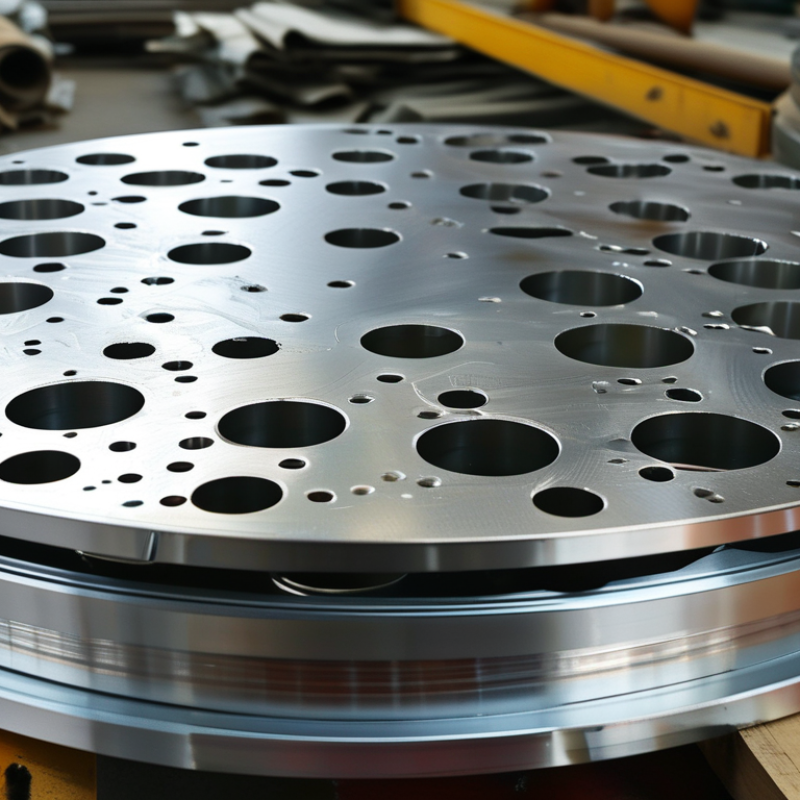
China has established itself as a global leader in the production of stainless perforated sheets. This rise is due to several factors, including advanced technology and skilled labor. The country's manufacturing base is vast, supporting a diverse range of perforated sheet options. These sheets serve numerous industries, from construction to filtration.
The innovation found in China's manufacturing processes is impressive yet raises questions. While efficiency increases, concerns about environmental impact persist. Manufacturers must balance production demands with sustainable practices. The growth of this sector also invites scrutiny regarding quality control measures. Companies should ensure consistent product reliability to maintain global trust.
Chinese manufacturers produce sheets in various sizes and patterns. This versatility is appealing to many buyers. However, navigating quality versus cost can be a challenge. Buyers must do their research and select suppliers who prioritize both aspects. This requires diligence, but the potential for success is vast.
Key Characteristics of Stainless Perforated Sheets
Stainless perforated sheets have become essential in various industries. Their unique characteristics make them highly sought after by global buyers. These sheets boast impressive durability, corrosion resistance, and aesthetic appeal. According to a recent market analysis by Grand View Research, the global perforated metal market is projected to reach $2.5 billion by 2027, driven by increasing demand in construction and filtration sectors.
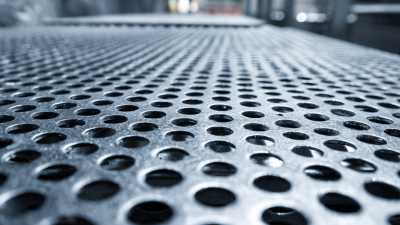
One key characteristic of stainless perforated sheets is their lightweight yet sturdy nature. This makes them ideal for applications ranging from architectural panels to acoustic solutions. Additionally, their hole configurations can be customized. Such versatility allows end-users to achieve specific performance criteria. The smooth finish of stainless steel also enhances hygiene, making it a preferred choice in food processing environments.
Tip: When selecting stainless perforated sheets, consider the hole size and pattern. A smaller hole may offer better filtration but could restrict airflow. Also, reflect on the overall design. Sometimes, a simple configuration may work better than a complex one.
Despite their many advantages, challenges exist.
For instance, the fabrication process can lead to inconsistencies. This may affect performance and appearance. Buyers should be aware of these potential issues. Sanding and polishing may be necessary for optimal results, especially in high-visibility applications.
Applications and Industries Utilizing Stainless Perforated Sheets
Stainless perforated sheets have a wide range of applications across various industries. These sheets are commonly used in architecture to enhance aesthetic appeal while providing ventilation. In modern buildings, they serve as effective cladding materials. Their ability to allow light and air through makes them ideal for energy-efficient designs.
In manufacturing, stainless perforated sheets are essential in filtration processes. They assist in separating solids from liquids or gases, enhancing efficiency in sectors like food processing and pharmaceuticals. These sheets help maintain high hygiene standards while ensuring durability against corrosion.
Despite their benefits, manufacturers face challenges. Sourcing quality materials can be tricky. Import regulations and varying standards across countries add complexity. Additionally, not every application suits stainless perforated sheets. Thus, evaluating specific needs is crucial. Testing different designs can lead to improved outcomes.
Factors Influencing Global Demand for Chinese Stainless Perforated Sheets
The market for Chinese stainless perforated sheets is dynamic. Several factors influence the global demand for these products. One significant aspect is the increasing application in various industries. Sectors like construction and automotive rely heavily on stainless perforated sheets for their durability and aesthetic appeal.
Another key factor is the rise in international standards. Countries adopt stricter regulations on material quality and sourcing. As a result, buyers seek products that meet these requirements. This trend affects the purchasing decisions of global buyers. The need for high-quality materials creates competition among suppliers.
On the other hand, market fluctuations can pose challenges. Economic conditions and trade policies vary across regions. Supply chain issues may arise unexpectedly, affecting availability. Buyers need to stay informed to navigate these complexities effectively. Continued innovation in design and manufacturing can also impact demand. Adaptability and responsiveness to market changes are essential for resilience.
China Best Stainless Perforated Sheet for Global Buyers
| Type of Stainless Steel |
Thickness (mm) |
Hole Size (mm) |
Width (mm) |
Length (mm) |
Global Demand (Tons) |
| 304 Stainless Steel |
1.0 |
3.5 |
1000 |
2000 |
35000 |
| 316 Stainless Steel |
1.5 |
4.0 |
1200 |
2400 |
28000 |
| 430 Stainless Steel |
2.0 |
5.0 |
1500 |
3000 |
15000 |
| 202 Stainless Steel |
1.2 |
2.5 |
1000 |
2500 |
22000 |
Quality Standards and Certifications for Chinese Perforated Sheets
The quality standards for perforated sheets in China vary significantly. Various certifications assure buyers of the materials’ reliability. These include ISO standards, which focus on quality management and product consistency. Meeting these standards is crucial for manufacturers aiming to compete globally.
Each manufacturing facility has unique strengths and weaknesses. Some may excel in precision, while others might struggle with durability. This inconsistency can sometimes lead to subpar products entering the market. Quality control processes should be scrutinized. Buyers often overlook this aspect when purchasing perforated sheets, assuming all products meet the same standards.
Certifications like CE and ASTM help guide customers in their choices. However, not all manufacturers may possess the necessary credentials. This creates challenges for buyers who seek high-quality materials. Engaging in direct dialogue with suppliers can clarify these concerns and lead to better purchasing decisions. Quality assurance is a shared responsibility between buyers and suppliers.