China Top Perforated Plate Steel Applications and Benefits Explained
Perforated Plate Steel is becoming increasingly versatile in various industries. Its unique properties offer both functional and aesthetic benefits. According to industry expert Dr. Jane Smith, "The adaptability of Perforated Plate Steel opens new avenues in design and utility."
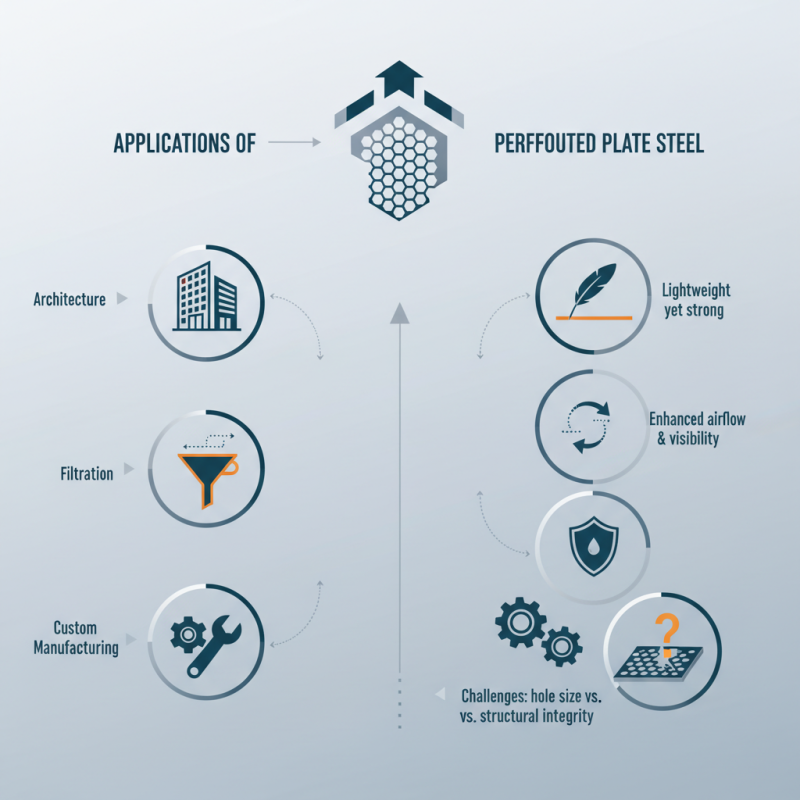
This material is commonly used in architecture, filtration, and custom manufacturing. Its lightweight yet strong design allows for innovative applications that were once thought impossible. The holes in the steel not only reduce weight but also enhance airflow and visibility.
However, challenges remain. Ensuring the right balance between hole size and structural integrity is crucial. Users must also consider corrosion resistance in different environments. As Perforated Plate Steel continues to evolve, ongoing research will help address these needs effectively.
China's Leading Industries Utilizing Perforated Plate Steel
Perforated plate steel is becoming increasingly vital in various industries in China. This material is widely employed in construction, automotive, and manufacturing sectors. According to a recent industry report, the use of perforated plate steel in the construction industry has grown by over 25% in the past year due to its strength and versatility.
The automotive sector utilizes perforated plate steel for its lightweight properties. This helps improve fuel efficiency and performance. Reports suggest that 40% of new car models now incorporate perforated materials. These plates are also resistant to corrosion, making them ideal for long-term use.
Tip: When selecting perforated plate steel, consider its thickness and hole patterns. Different applications may require specific styles.
In manufacturing, perforated plate steel plays a crucial role in filtration and ventilation systems. The precise holes allow airflow while filtering out unwanted particles. This is key for industries like food processing or pharmaceuticals. However, it's essential to assess the adequacy of hole sizing for specific tasks.
Tip: Regularly check the integrity of perforated plates in use. Signs of wear may require assessments and replacements to ensure safety and efficiency.
Benefits of Perforated Plate Steel in Manufacturing and Construction
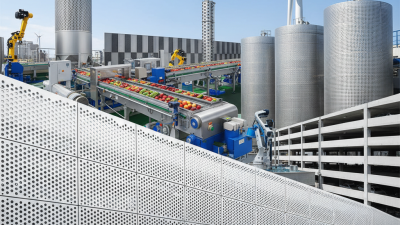
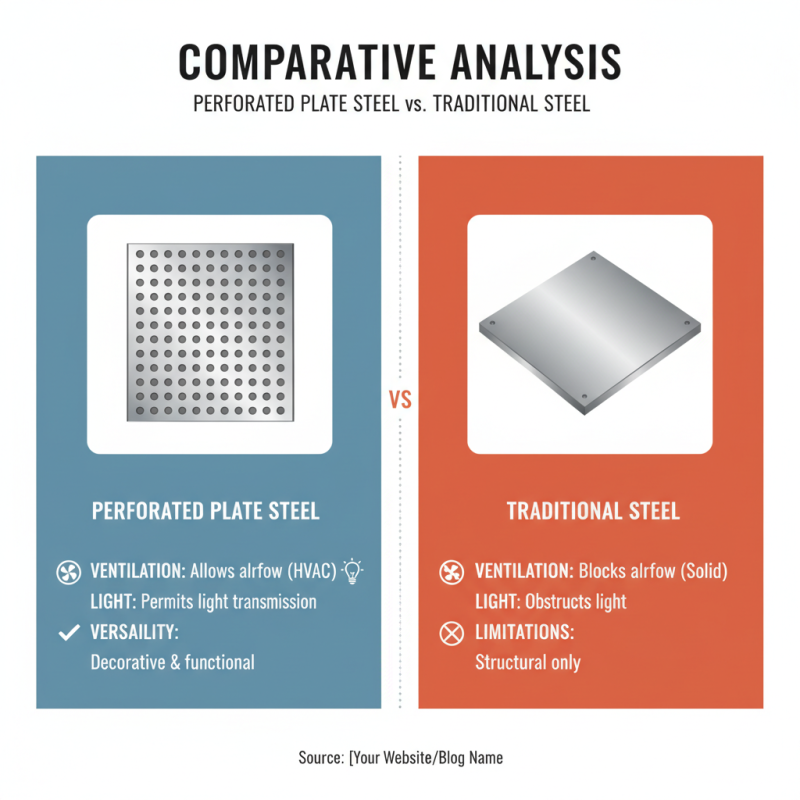
Perforated plate steel is increasingly popular in manufacturing and construction. This material offers unique advantages such as lightweight strength, versatility, and durability. The precise holes in perforated plates allow for optimal airflow and drainage. It is particularly useful in HVAC systems. The aesthetic appeal of perforated plates also enhances architectural designs.
When considering perforated plate steel, various applications come to mind. It is often used in flooring, partitions, and facades. These applications not only support functional requirements but also improve the visual aspects of a building. However, it’s essential to choose the right configuration to meet specific project needs. The hole diameter and spacing can significantly affect performance.
Tips: Always assess the environment. Corrosion resistance is key in outdoor applications. It’s also wise to think about sound absorption properties. Experience shows that different materials yield different outcomes. Don’t hesitate to experiment with designs. Adjusting the patterns can lead to innovative solutions. Take time to reflect on the intended use. This careful consideration will result in better, more effective structures.
Applications and Benefits of Perforated Plate Steel
Innovative Applications of Perforated Plate Steel in Architecture
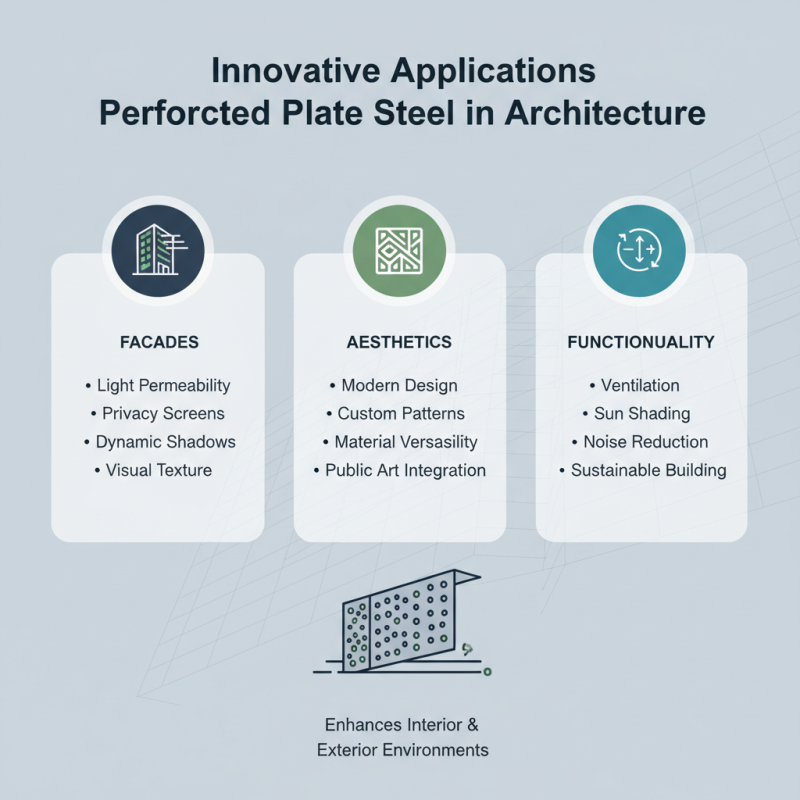
Perforated plate steel has emerged as a transformative element in modern architecture. Its versatility enables architects to creatively blend functionality with aesthetics. Designers utilize perforated plates to craft facades that allow light while providing privacy. This innovative approach helps shape inviting and dynamic spaces. Such applications enhance both the interior and exterior environments of buildings.
Examples of use include shading devices and decorative screens. These solutions can reduce energy consumption and improve thermal efficiency. The perforations come in various sizes, allowing for unique light patterns. However, the challenge lies in selecting the right design. A poorly chosen pattern can lead to undesirable glare or inefficient light distribution. Careful consideration is crucial to avoid these pitfalls in design.
While the benefits are significant, there may be limitations to perforated plate steel. Installation and maintenance require expertise, which can pose challenges. Furthermore, the environmental impact of production raises questions. Architects must weigh these factors when choosing materials. They must balance innovation with responsibility in the art of design.
Future Trends in Perforated Plate Steel Usage in China
Perforated plate steel is gaining traction in China. Its applications include construction, automotive, and filtration. This material is lightweight, durable, and versatile. As urbanization grows, the demand for perforated plates will likely increase. These plates contribute to enhancing ventilation and aesthetics in buildings.
Future trends indicate a rise in sustainability. Manufacturers are focusing on eco-friendly production methods. This shift aligns with global sustainability goals. However, challenges remain. The recycling process for perforated plate steel is still evolving. Industry experts emphasize the importance of innovative recycling techniques.
Technological advancements are also on the horizon. Smart manufacturing will play a key role. Automation may improve efficiency in production. Yet, the industry must be cautious. Balancing innovation with traditional practices can be complex. Stakeholders need to adapt or risk falling behind.
China Top Perforated Plate Steel Applications and Benefits Explained - Future Trends in Perforated Plate Steel Usage in China
| Application Area |
Benefits |
Future Trends |
| Architecture |
Aesthetic appeal, natural lighting |
Increased use in modern designs |
| Industrial Filtration |
High permeability, durability |
Adoption of advanced filtration technologies |
| Sound Barriers |
Noise reduction, eco-friendly |
Development of innovative soundproofing materials |
| Automotive Industry |
Lightweight, enhanced performance |
Growing demand for eco-friendly vehicles |
| Consumer Products |
Versatile designs, enhanced durability |
Shift towards custom designs and sustainability |