China Best Decorative Expanded Metal Applications and Benefits Explained?
Decorative Expanded Metal has gained popularity for its versatility and aesthetic appeal. This unique material is widely used in architecture, interior design, and various industries. Its ability to blend function with style makes it a favorite among designers and builders alike.
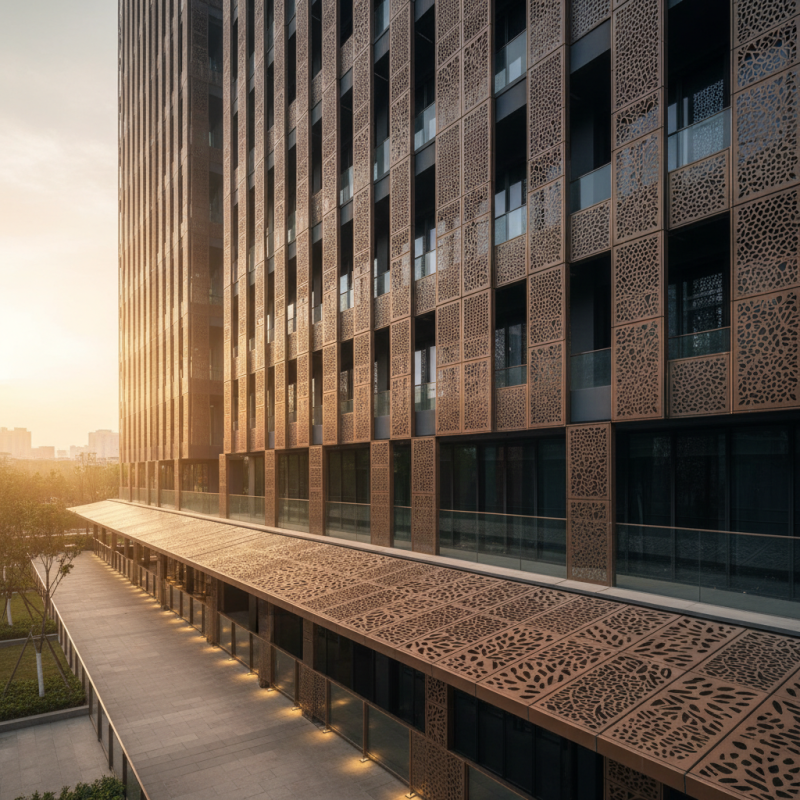
The applications of Decorative Expanded Metal are diverse. It can be found in facades, railings, and screens. These panels not only serve practical purposes but also enhance the visual interest of any space. Various patterns and finishes allow for customization. This adaptability makes it suitable for different design themes.
However, choosing the right type of Decorative Expanded Metal can be challenging. Not all materials provide the same quality or durability. Researching manufacturers and understanding material specifications is essential for optimal outcomes. Addressing these factors leads to better project results and satisfaction.
Overview of Expanded Metal: Definition and Production Process
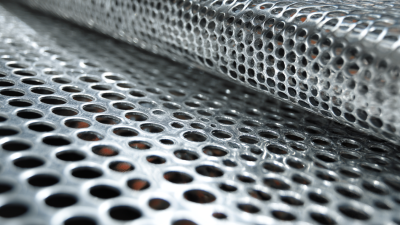
Expanded metal is a versatile material created by slitting and stretching a base metal sheet. This process transforms flat sheets into a rigid, lightweight mesh. The key characteristics of expanded metal include its unique open design, increased surface area, and strength. The production process often employs materials such as aluminum, steel, or stainless steel, each offering different advantages based on the application. Reports highlight that the expanded metal market is projected to grow significantly, driven by increased demand across various sectors.
The benefits of expanded metal are manifold. It provides excellent ventilation and visibility, making it ideal for architectural applications. Its durability ensures longevity even in harsh environments, such as construction sites. Moreover, expanded metal can be easily fabricated to meet specific design requirements, contributing to its popularity in diverse fields.
However, some may overlook the intricacies of installation and maintenance. Proper treatment and handling are essential to maximize performance and longevity.
Data from industry analyses indicate a growing trend toward innovative uses of expanded metal, especially in green building and energy-efficient designs. Exploring these applications unveils the material's adaptability. Despite its benefits, awareness of potential drawbacks—like susceptibility to corrosion without proper treatment—remains crucial. This awareness can guide users in making informed decisions about the use of expanded metal in their projects.
Key Applications of Expanded Metal in Decorative Design
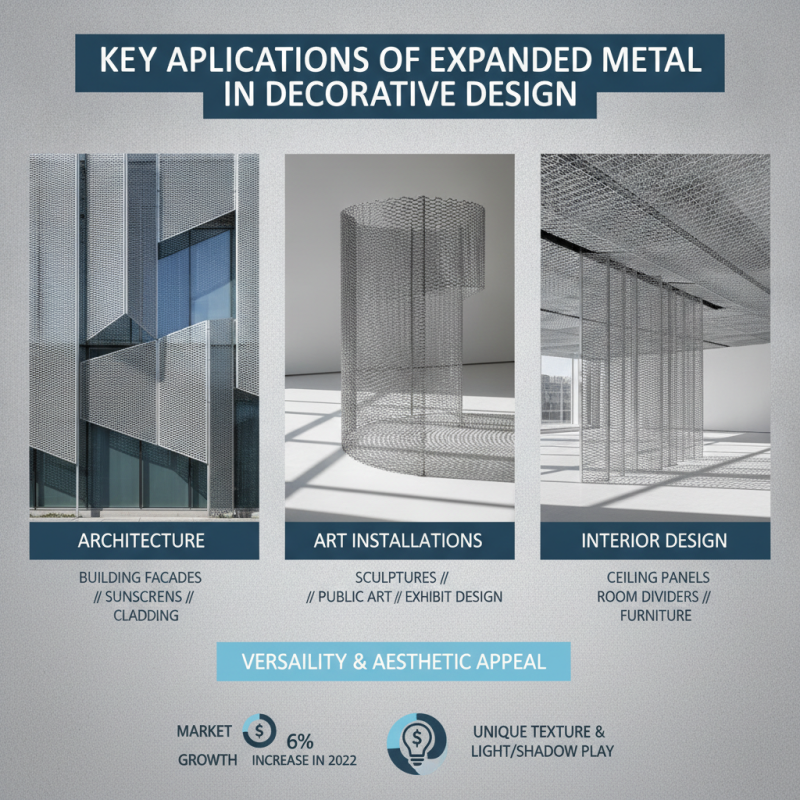
Expanded metal has emerged as a prominent choice in decorative design due to its versatility and aesthetic appeal. It is widely used in architecture, art installations, and interior design. Reports indicate that the decorative expanded metal market grew by 6% in 2022, signaling increased demand. Designers favor this material for its unique texture and the interplay of light and shadow it creates.
Key applications of expanded metal include facade cladding and partitions in commercial spaces. These applications not only enhance visual interest but also offer functional benefits like ventilation. The material can be customized to various patterns and sizes. A study found that using expanded metal in architecture can reduce material waste by 30%. This reveals an eco-friendly aspect to its design, though challenges remain in achieving desired aesthetics without compromising strength.
Interior designers frequently utilize expanded metal in furniture and lighting. Its structural integrity allows for innovative designs that are both strong and lightweight. However, designers must carefully consider how finishes and coatings can influence longevity. Some coatings may degrade over time, leading to maintenance challenges. Thus, while the potential is high, thoughtful approaches are essential to ensure durability and long-term visual appeal.
Advantages of Using Decorative Expanded Metal for Architecture
Decorative expanded metal offers unique advantages in architectural design. Its versatility allows for intricate patterns and forms. Designers appreciate its lightweight nature and durability. This material can enhance both functionality and aesthetics in various projects. For instance, it is often used in facades and partitions. These applications create visual interest while maintaining structural integrity.
Another significant benefit is its ability to promote airflow and natural light. The open design allows for ventilation, making spaces more comfortable. Additionally, expanded metal can be coated with different finishes, improving weather resistance and appearance. However, some might find it challenging to clean or maintain over time, especially in high-traffic areas.
Sustainability is also a key consideration. Expanded metal can often be recycled, reducing environmental impact. However, not all products are made from eco-friendly materials. It's essential to research suppliers and materials used. Awareness of these factors can lead to more informed decisions in architectural applications. Exploring the pros and cons allows designers to leverage expanded metal effectively while addressing potential drawbacks.
Sustainability Aspects of Decorative Expanded Metal
Decorative expanded metal offers numerous sustainability benefits. It is primarily made from recycled materials. This process reduces waste and minimizes environmental impact. Additionally, the manufacturing techniques often require less energy compared to other materials. This energy efficiency translates to lower carbon emissions. Using expanded metal in design projects supports eco-friendly practices.
Moreover, the longevity of decorative expanded metal contributes to its sustainability. Its corrosion-resistant properties ensure it withstands harsh environments. This durability reduces the need for frequent replacements. While some may overlook the importance of maintenance, proper care can extend its life further. This means less waste over time.
However, it is essential to address potential drawbacks. Not all decorative expanded metals are recyclable. It is crucial to assess specific products before assuming sustainability. Furthermore, aesthetic choices might not always prioritize ecological factors. Designers need to balance beauty and environmental responsibility. The journey to sustainable design is ongoing. Choosing the right materials plays a significant role in shaping a greener future.
Trends in Decorative Expanded Metal Usage in Modern Interiors
The use of decorative expanded metal in modern interiors is gaining popularity. This trend aligns with the increasing demand for unique design elements that offer both aesthetic appeal and functionality. According to industry reports, the decorative metal market is expected to grow at a compound annual growth rate (CAGR) of around 5% over the next five years. Designers are increasingly using expanded metal in residential and commercial spaces, enhancing the visual aspect of walls and ceilings.
This material allows for creative expression. It is not just about looks. The lightweight nature of expanded metal makes it an excellent choice for installations without adding significant weight. Moreover, its durability ensures long-lasting installations. Data shows that around 70% of designers prefer using innovative materials like expanded metal for their projects, reflecting a shift toward more sustainable options. However, it is essential to balance aesthetics with practicality. Some designs may appear appealing but can lead to maintenance issues over time.
Color options and finishes also impact usage trends. Textured and colored expanded metal can elevate a space's design. It can create a sense of depth and dimension, capturing attention in various settings. The challenge remains: how to blend these materials seamlessly into spaces without overwhelming the surrounding architecture. Reflecting on this issue is vital for maintaining design integrity while pushing creative boundaries.
Trends in Decorative Expanded Metal Usage in Modern Interiors