Best Punched Metal Sheets for Your Next Project?
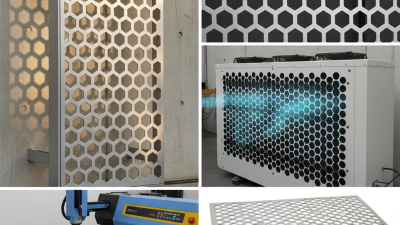
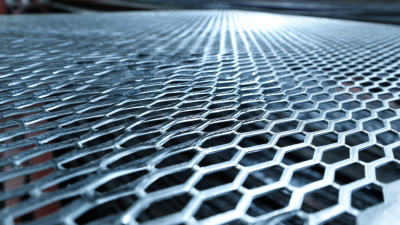
When considering materials for your next project, Punched Metal Sheets stand out for their versatility and aesthetic appeal. These sheets come in various designs and hole patterns, enhancing both function and style. Builders and designers often prefer them for applications ranging from architectural features to industrial uses. The perforations can provide ventilation and reduce weight, making them practical in many scenarios.
Despite their benefits, selecting the right Punched Metal Sheets can be challenging. Options vary widely, and knowing which type fits your project best requires thought and planning. You may find yourself weighing quality against cost, often leading to confusion. Not all sheets are intended for the same applications, so it’s crucial to assess your requirements. This consideration can make or break your project.
Understanding your needs is essential. Will aesthetics take precedence, or do you need performance? Punched Metal Sheets can be both functional and visually appealing, but striking the right balance is key. Without careful reflection, the wrong choice might lead to dissatisfaction. Investing time in this decision could save you from future regret.
Types of Punched Metal Sheets Available for Various Applications
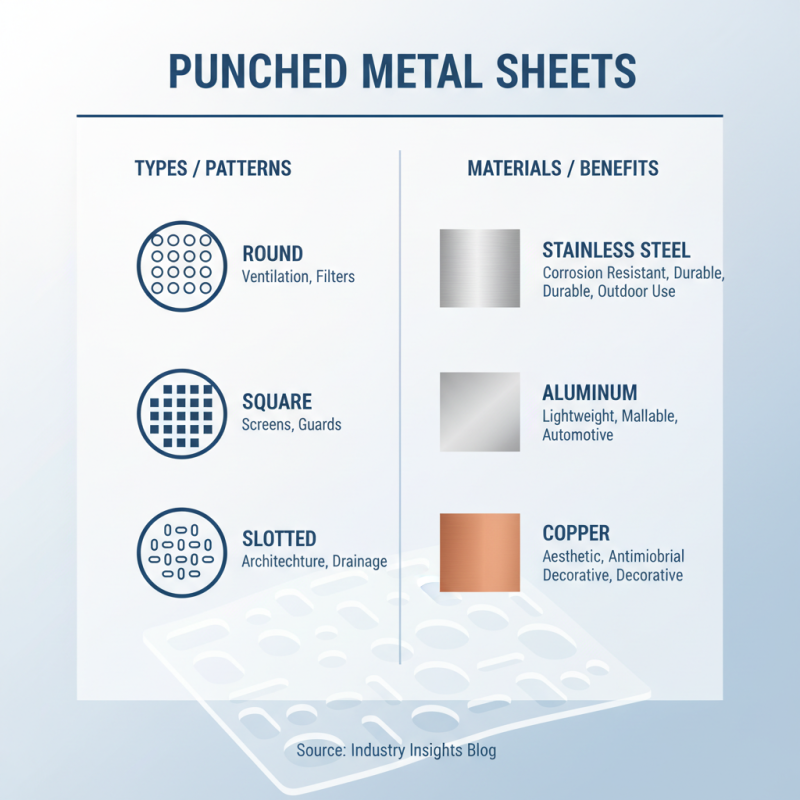
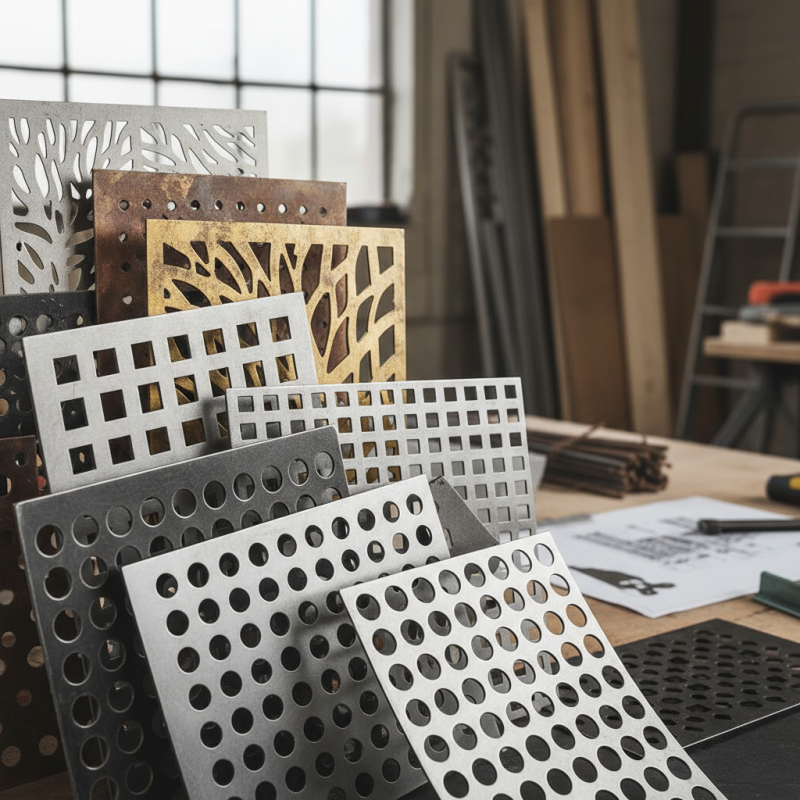
When it comes to punched metal sheets, there are several types tailored for various applications. These sheets are available in different materials, including stainless steel, aluminum, and copper. Each material offers distinct benefits. For instance, stainless steel provides excellent corrosion resistance, making it ideal for outdoor use. Aluminum, on the other hand, is lightweight and often used in automotive applications.
Specific applications benefit from certain hole patterns and sizes. For architectural designs, larger holes might be preferred for aesthetic reasons. In contrast, industrial uses often require smaller, precise holes for ventilation or filtering. A recent industry report indicated that the demand for punched metal sheets is expected to grow by 4.5% annually. This growth highlights their importance across numerous sectors, from construction to automotive manufacturing.
Despite these benefits, there are challenges. Not all punched metal sheets maintain their structural integrity under stress. For high-load applications, selecting the right thickness is crucial. Sometimes, even seasoned professionals overlook this detail, leading to compliance issues or unexpected failures. Careful consideration of the application is necessary to avoid misapplication and potential safety hazards.
Benefits of Using Punched Metal Sheets in Your Projects
Punched metal sheets offer a unique combination of functionality and aesthetic appeal. Their perforated designs allow for better air and light flow. This can be crucial for projects needing ventilation. For example, using these sheets in building facades can enhance natural light while maintaining privacy.
Another advantage is their lightweight nature. This makes them easier to handle and install. They can be cut to size without losing structural integrity. However, one must consider the edge finishing; it’s easy to overlook this detail, yet sharp edges can pose safety risks. Additionally, the sheet’s pattern can impact the overall look. Choosing a complex design may seem appealing, but it can complicate manufacturing and increase costs.
Furthermore, punched metal sheets are durable and resistant to corrosion. This makes them suitable for both indoor and outdoor applications. While they require less maintenance, keeping them clean can be a challenge. Dirt can accumulate in the perforations, affecting aesthetics over time. Thus, regular maintenance is essential to retain their visual and functional appeal.
Benefits of Using Punched Metal Sheets
This chart illustrates the benefits of using punched metal sheets in projects. Each benefit is rated on a scale from 1 to 10, highlighting their importance in terms of weight reduction, strength, aesthetic appeal, cost efficiency, and versatility.
Key Factors to Consider When Choosing Punched Metal Sheets
When selecting punched metal sheets for your project, several factors must be considered. The specific application plays a significant role in both design and material choice. According to industry reports, nearly 45% of engineers prioritize weight and strength in their decision-making processes. The sheet's thickness and material type must align with the intended use to ensure optimal performance.
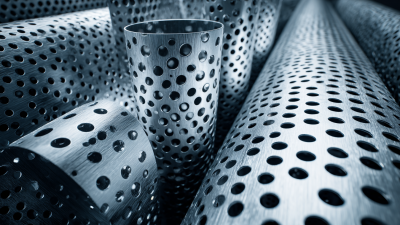
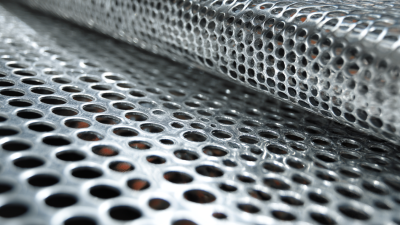
Another critical factor is perforation pattern. Studies indicate that different patterns can impact airflow and aesthetic quality. For instance, circular holes improve ventilation but may not offer sufficient privacy. Understanding these attributes helps in choosing the right design. Moreover, hole size affects overall sheet integrity. Larger holes can weaken structure but enhance drainage.
Cost-effectiveness is also essential. Online pricing databases show that punched sheets can vary significantly based on material and design complexity. Higher-priced options may not always guarantee better performance. It’s crucial to weigh budget constraints against project needs carefully. Misjudging this balance often leads to regrets after project completion, highlighting the importance of careful planning.
Best Punched Metal Sheets for Your Next Project - Key Factors to Consider
| Material Type |
Sheet Thickness (mm) |
Hole Size (mm) |
Hole Pattern |
Finish Type |
Best Applications |
| Aluminum |
1.5 |
3.0 |
Round |
Anodized |
Decorative Panels |
| Steel |
2.0 |
4.5 |
Square |
Galvanized |
Industrial Grating |
| Stainless Steel |
1.0 |
5.0 |
Hexagonal |
Brushed |
Food Processing |
| Copper |
1.2 |
6.0 |
Rectangular |
Polished |
Electrical Components |
| Aluminum Alloy |
1.5 |
2.5 |
Diamond |
Powder Coated |
Architectural Elements |
Popular Use Cases for Punched Metal Sheets in Industry
Punched metal sheets serve various industries, showcasing their versatility. These sheets feature precise holes or patterns, enhancing both aesthetics and functionality. Many manufacturers often utilize them for applications that require airflow or light penetration.
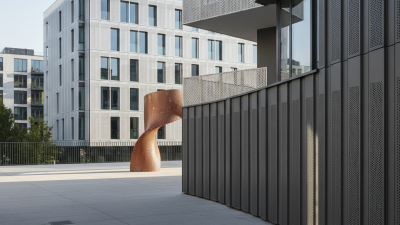
In architectural designs, punched metal sheets create stunning facades. They allow light to filter through while providing shade. This can reduce energy costs. Additionally, in the automotive industry, these sheets help weigh down vehicles, improving fuel efficiency. Designers sometimes overlook the importance of precise hole sizes. It's crucial to cater to specific needs.
In filtration systems, punched metal sheets play a vital role. They ensure cleanliness by filtering out impurities. Nevertheless, one must consider the thickness of the sheet and hole size. An incorrect combination might lead to inefficiency or premature wear. Balancing aesthetics with functionality can be challenging, but it’s essential for optimal performance.
Maintenance and Care Tips for Punched Metal Sheets
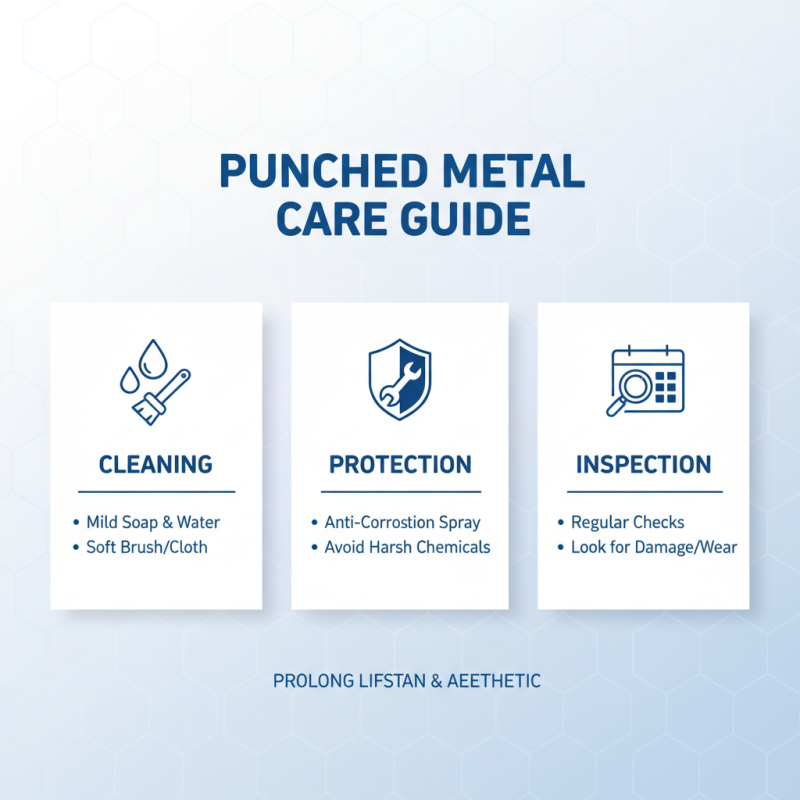
Punched metal sheets are popular for various projects. They add aesthetic appeal and functionality. However, maintenance is key to prolonging their lifespan.
Regular cleaning is essential. Dust and dirt can accumulate, affecting appearance and performance. Use a soft cloth for routine dusting. Avoid harsh chemicals that might scratch the surface. Sometimes, a bit of mild soap and water can work wonders.
Storage also matters. Keep punched metal sheets in a dry place. Moisture can lead to corrosion. If you notice any rust spots, address them promptly. A little preventive care can save a lot of trouble later. Lastly, always inspect the sheets before use. Look for any imperfections that may hinder your project. Taking these simple steps can keep your punched metal sheets in great shape.