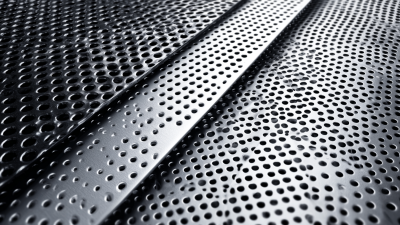
10 Best Decorative Perforated Metal Plates for Home and Outdoor Design
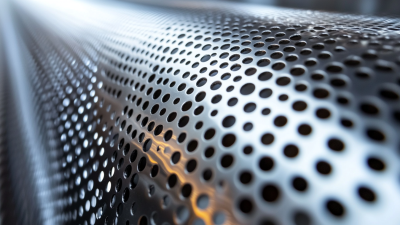
In recent years, the use of decorative perforated metal plates in home and outdoor design has gained significant traction, with the market for decorative metals expected to reach $1.82 billion by 2026, according to recent industry reports. This trend is largely driven by the growing interest in innovative architectural solutions that combine functionality with aesthetics. Decorative perforated metal plates not only serve as practical design elements—providing ventilation and light filtration—but also enhance the visual appeal of spaces, making them an ideal choice for both residential and commercial applications.
The versatility of decorative perforated metal plates allows designers to implement unique patterns and textures, aligning with current design trends that emphasize personalization and sustainability. In fact, a study by the American Institute of Architects indicates that an increasing number of architects are integrating such materials into their projects to create striking outdoor environments and stylish interior spaces. With the ability to customize finishes and designs, these plates emerge as a pivotal resource in the toolkit of modern design, successfully marrying artistic expression with structural integrity.
Top Features of Decorative Perforated Metal Plates in Design
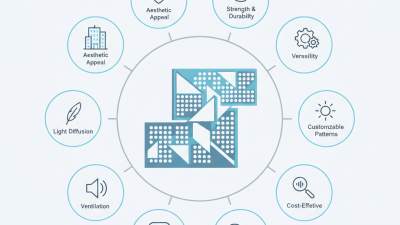
Decorative perforated metal plates have gained popularity in both home and outdoor design due to their unique aesthetic appeal and functional benefits. One of the top features of these plates is their ability to provide ventilation while maintaining privacy. According to a study by the Metal Construction Association, the use of perforated materials in architectural designs has increased by over 30% in the past five years, showcasing a robust trend toward integrating both form and function in modern design practices.
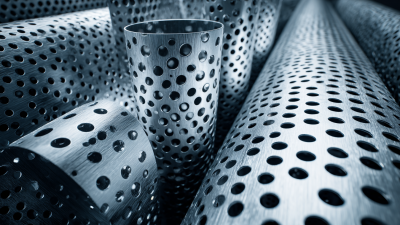
Another key advantage of decorative perforated metal plates is their versatility. They can be made from various materials such as aluminum, steel, and stainless steel, which can be tailored to withstand different environmental conditions. This versatility allows designers to use them in applications ranging from façade systems to outdoor furniture. A report from the International Association of Structural Engineers highlights that the combination of durability and aesthetic flexibility makes perforated metal a preferred choice for both residential and commercial projects, as it meets diverse design needs while ensuring longevity and low maintenance.
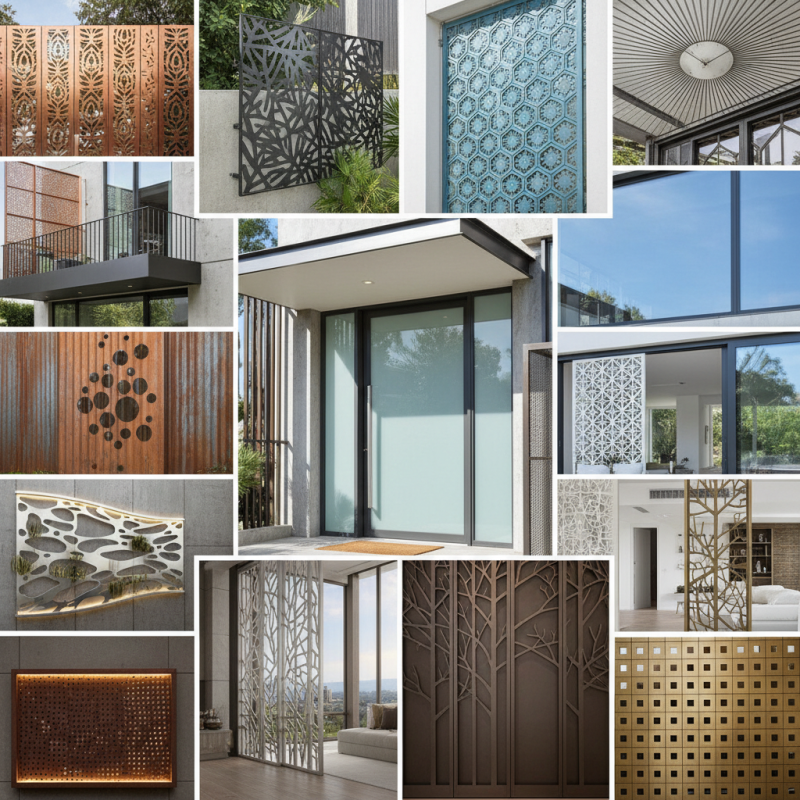
Moreover, decorative perforated metal plates offer an array of design possibilities, from intricate patterns to simple geometric shapes, enabling creativity in architectural elements. The aesthetics not only enhance visual interest but also contribute to the overall ambiance of a space, making it more inviting. As sustainability becomes increasingly important, many manufacturers are also utilizing recycled materials in their production, which aligns with increasing consumer demand for environmentally friendly design solutions.
10 Best Decorative Perforated Metal Plates for Home and Outdoor Design
| Feature |
Description |
Material |
Ideal Use |
Dimensions |
| Pattern Variety |
Multiple geometric and organic patterns available. |
Aluminum |
Wall art, room dividers |
24" x 36" |
| Durability |
Corrosion-resistant and weatherproof. |
Stainless Steel |
Outdoor fencing, garden accents |
36" x 48" |
| Customizability |
Available in custom sizes and finishes. |
Mild Steel |
Interior decor, art installations |
20" x 20" |
| Lightweight |
Easy to handle and install; requires minimal support. |
Aluminum Composite |
Ceiling panels, partitions |
48" x 96" |
| Aesthetic Appeal |
Enhances modern and industrial design themes. |
Corten Steel |
Retail displays, outdoor art |
30" x 60" |
Applications of Perforated Metal Plates in Home Décor and Architecture
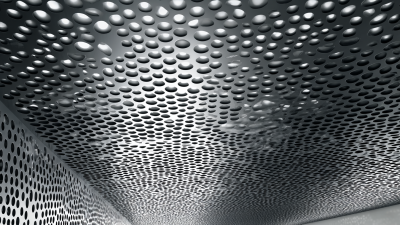
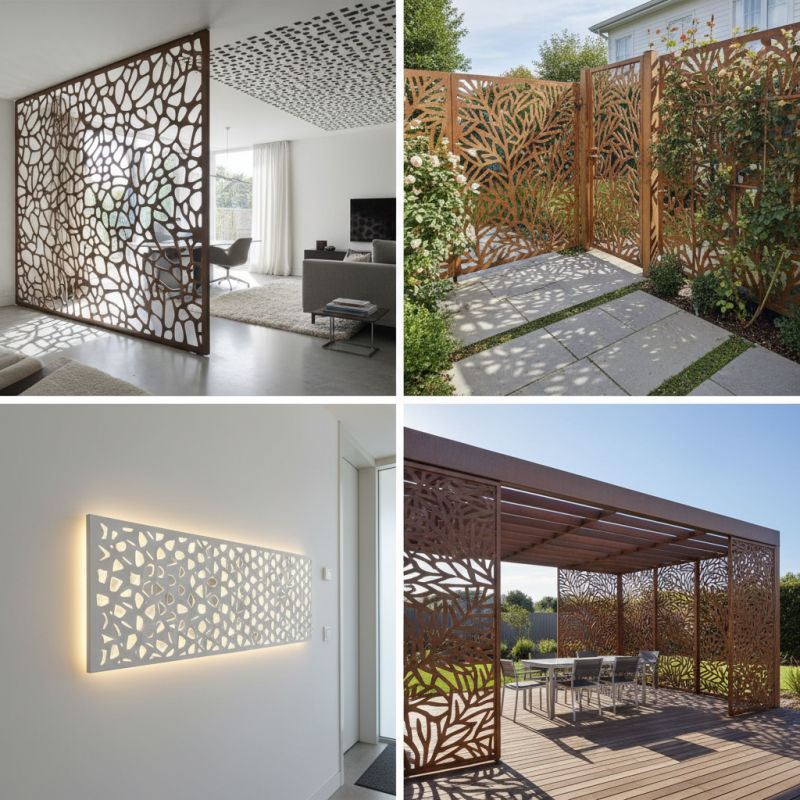
Perforated metal plates are increasingly being integrated into home décor and architectural designs because of their functionality and aesthetic appeal. These versatile elements can be employed in various applications, from room dividers and privacy screens to decorative wall accents and ceiling panels. The unique perforations allow for light and airflow, creating an interesting interplay of shadows and textures in both indoor and outdoor settings. Their durability and resistance to weather conditions further enhance their suitability for outdoor spaces, where they can be used in garden trellises or as decorative fences.
In addition to their practical uses, perforated metal plates can significantly enhance the visual appeal of a space. When incorporated into architectural designs, these plates can transform simple structures into statement pieces. For example, they can be utilized in creating intricate patterns that reflect contemporary styles, or they can complement rustic designs with a touch of modernity. The ability to customize the shape, size, and pattern of the perforations allows designers to create unique focal points that resonate with the overall aesthetic of the home or garden, making them a popular choice for homeowners looking to elevate their interior and exterior environments.
Comparative Analysis of Material Types for Durability and Aesthetics
When selecting decorative perforated metal plates for both home and outdoor design, it's essential to compare the various material types available, as durability and aesthetics play critical roles in the decision-making process.
Aluminum, for instance, is a popular choice due to its lightweight nature and resistance to corrosion, making it ideal for outdoor applications. Conversely, stainless steel offers superior strength and longevity, although it may come at a higher price point. For those looking to achieve a specific aesthetic, Corten steel develops a unique rusted patina that not only enhances its visual appeal but also provides excellent weather resistance.
Tips for choosing the right material for your decorative metal plates include assessing the environmental exposure they will face. If the plates are intended for outdoor use, opt for materials that can withstand moisture and varying temperatures. Additionally, consider the design and finish—smooth surfaces may be more suited for modern settings, while textured finishes might provide a rustic charm. Lastly, ensure that your chosen material aligns with your overall design theme to create a cohesive look in your space.
Cost Considerations and Market Trends for Decorative Metal Plates
The decorative metal plates market has seen a significant transformation in recent years, driven by various design trends and cost considerations. A recent report from MarketsandMarkets indicates that the global market for decorative metal products is expected to reach $8.6 billion by 2025, with a compound annual growth rate (CAGR) of 5.1% from 2020. This growth is largely attributed to the rising demand for aesthetically pleasing architectural designs in both residential and commercial spaces. Homeowners and designers are increasingly incorporating perforated metal plates into their projects, appreciating their dual functionality of utility and aesthetics.
When it comes to cost considerations, the pricing of decorative perforated metal plates can vary significantly depending on factors such as material type, manufacturing processes, and customization options. The raw material cost is a significant factor; for instance, stainless steel remains a popular choice due to its durability and resistance to corrosion, albeit at a higher price point compared to aluminum. According to Statista, the average price of stainless steel has fluctuated around $1,500 per ton, influencing the overall pricing of decorative products. Furthermore, as more designers opt for bespoke designs, the trend towards customization has led to a broader price range, appealing to various budget levels while also catering to higher-end market segments that prioritize unique, tailored designs.
Sustainability Benefits of Using Perforated Metal in Outdoor Spaces
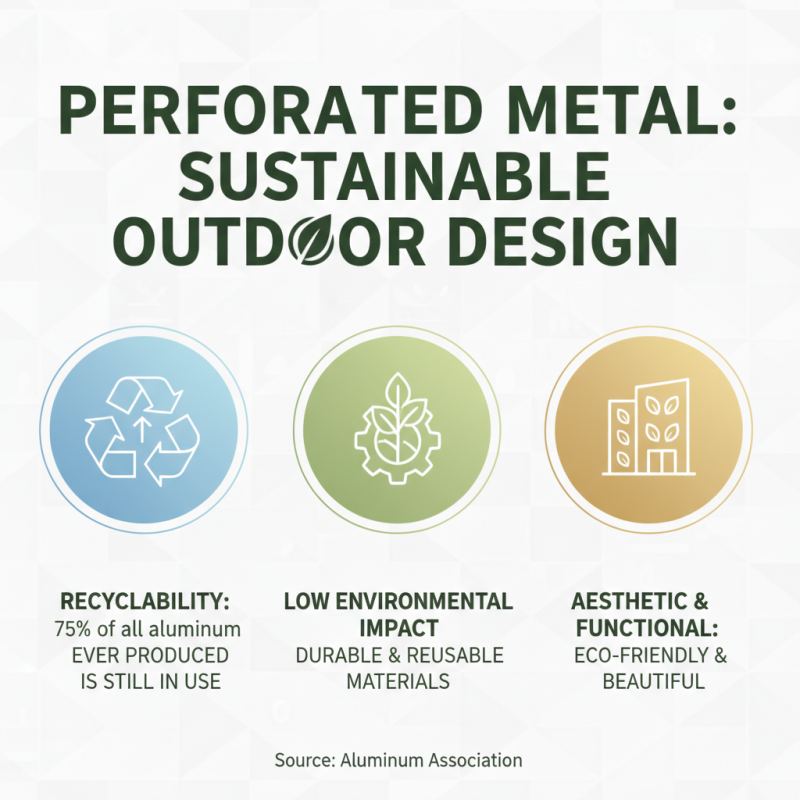
Perforated metal is increasingly recognized as a sustainable choice for outdoor spaces, bringing both aesthetic value and functional benefits to design. One of the primary advantages of using perforated metal is its recyclability; according to the Aluminum Association, 75% of aluminum ever produced is still in use today, highlighting the material's longevity and minimal environmental impact. This aligns with the growing demand for eco-friendly building materials, as architects and designers strive to reduce their carbon footprint while enhancing their projects' aesthetic appeal.
Incorporating perforated metal into outdoor spaces not only promotes sustainability but also improves ventilation and light distribution. For instance, perforated metal screens can provide shade while allowing airflow, which is crucial for maintaining comfortable outdoor environments. A report by the Green Building Council noted that effective use of materials like perforated metal can result in energy savings of up to 10-15% in controlled environments. This effective use of such materials not only reflects a commitment to sustainable practices but also contributes to the overall wellness of outdoor spaces, making them more inviting and adaptable to various climatic conditions.