What Are the Benefits of Using Perforated Steel Sheet?
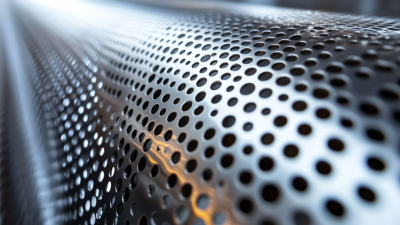
Perforated Steel Sheet has gained significant attention in various industries due to its unique properties. Renowned expert James Carter, a structural engineer with over 20 years of experience, emphasizes its versatility: "Perforated Steel Sheets offer unmatched functionality and aesthetic appeal." This type of material features a series of holes, providing both strength and lightweight benefits.
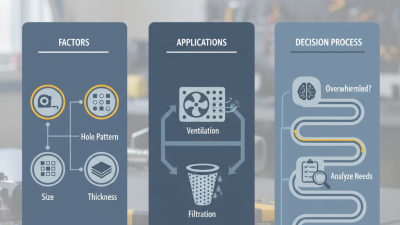
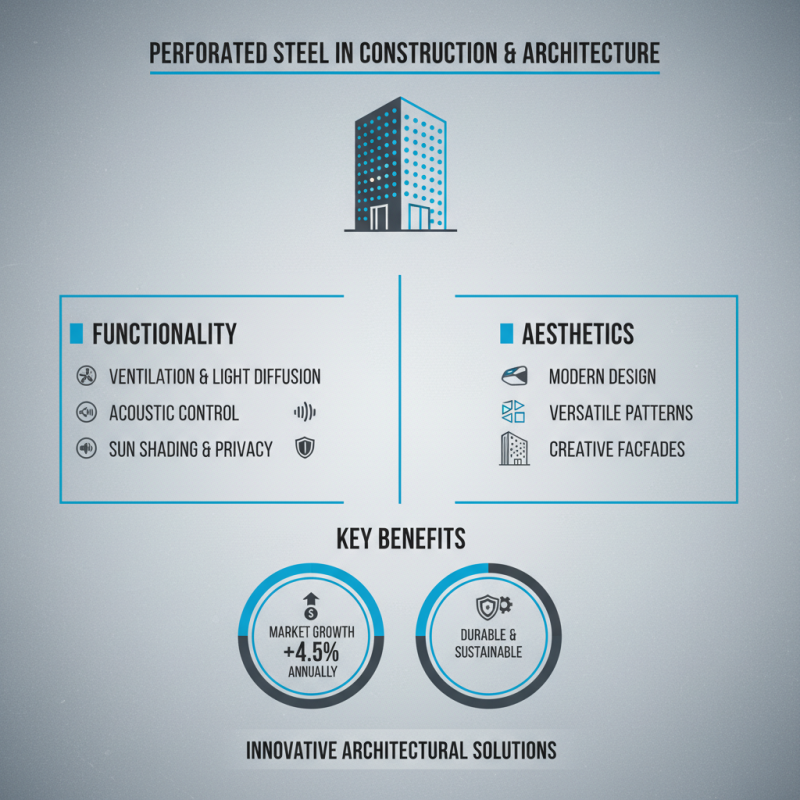
In industrial applications, Perforated Steel Sheet serves as an essential component. It enhances airflow in ventilation systems and reduces weight in flooring applications. Designers also appreciate its ability to create visually striking facades. However, one must consider the sustainability of sourcing. While steel can be recycled, the manufacturing process can have environmental impacts.
Breaking down its benefits reveals more complexities. Perforated Steel Sheet improves safety in construction due to its load-bearing attributes. Its design allows efficient water drainage, reducing the risk of pooling. Yet, the choice of hole pattern and size can impact functionality and aesthetics, requiring careful consideration. This highlights the balance between design and practicality in using Perforated Steel Sheet.
Benefits of Perforated Steel Sheet in Structural Applications
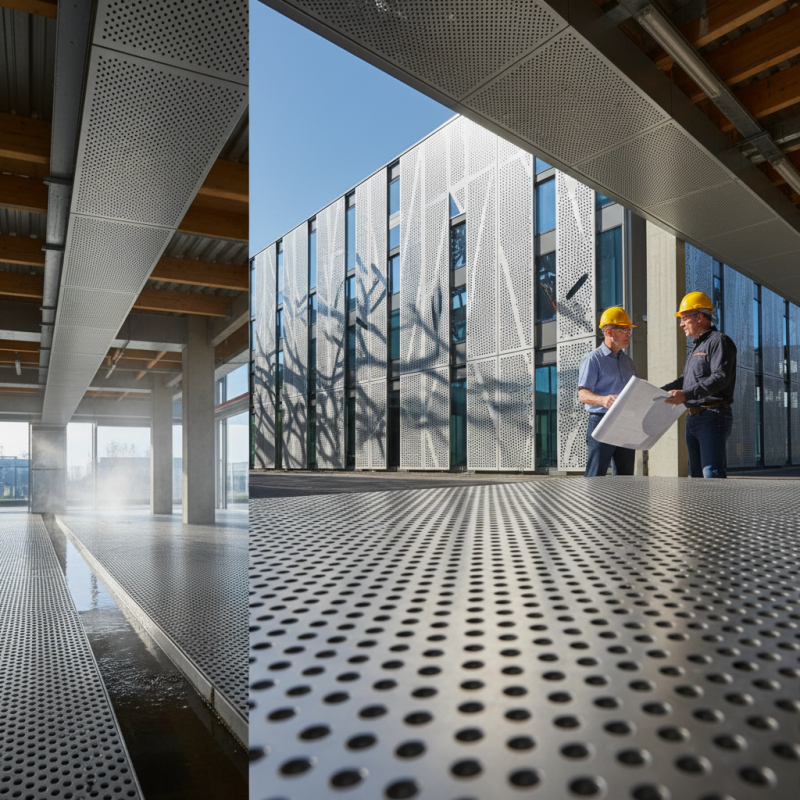
Perforated steel sheets play a crucial role in structural applications. Their unique design allows for a balance between strength and lightweight properties. According to industry reports, these sheets can reduce weight by up to 40% compared to solid steel. This reduction can significantly impact project costs and structural efficiency.
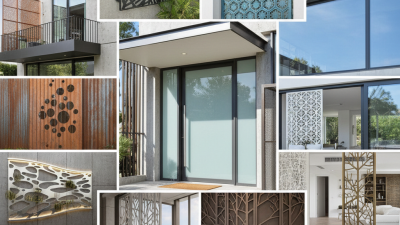
In addition to weight savings, perforated steel enhances aesthetics and functionality. Their holes allow for ventilation and light passage, making them ideal for architectural features and facades. Studies show that using perforated steel can improve energy efficiency in buildings. By allowing natural air flow, it reduces the need for mechanical ventilation systems.
Tips: When selecting perforated sheets, consider hole sizes and patterns that meet your specific needs. Conduct detailed evaluations of load-bearing requirements. Testing various designs can help identify the best option for your project. Balancing functionality and design can be challenging but rewarding in the end. Embrace innovation while ensuring reliability in your choices.
Acoustic and Aesthetic Advantages of Using Perforated Steel Sheets
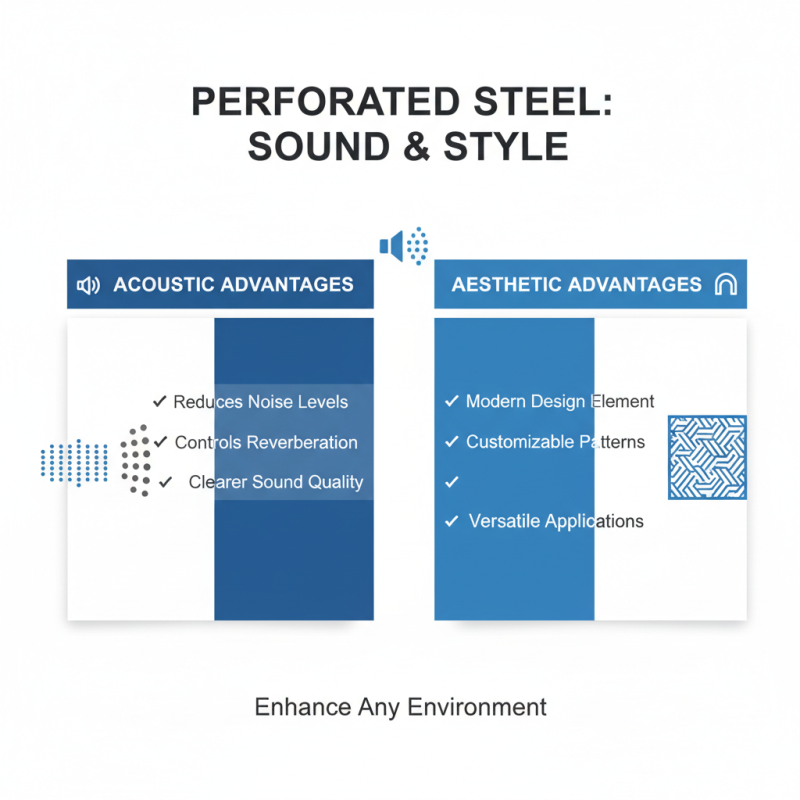
Perforated steel sheets offer unique acoustic advantages that can greatly enhance any environment. The small holes in the sheets allow sound waves to pass through, effectively reducing noise levels. This makes them ideal for use in spaces like theaters, auditoriums, and schools. In addition, they help control reverberation, resulting in clearer sound quality. This use of perforated materials fosters a more enjoyable auditory experience.
From an aesthetic standpoint, perforated steel sheets are highly versatile. They can be customized in various patterns and hole sizes, offering endless design possibilities. This adaptability allows architects and designers to create visually striking facades and interiors. The interplay of light and shadow produced by the perforations adds depth to spaces, making them more inviting. However, achieving the perfect balance between form and function can be challenging. Designers must consider how the patterns affect both aesthetics and acoustics, which requires careful planning and creativity.
Sustainability and Recycling Potential of Perforated Steel Sheets
Perforated steel sheets offer significant advantages when it comes to sustainability and recycling. These materials are often made from recycled steel, an eco-friendly choice. This reduces the carbon footprint associated with the production of new steel. Furthermore, the process of perforating does not waste material. The holes that are added not only serve functional purposes but also ensure minimal wastage during manufacturing.
The recycling potential of perforated steel sheets is another strong point. After their life cycle, these sheets can be repurposed into new products. This promotes a circular economy. Not every sheet is used at its full potential, leading to opportunities for improvement. There are instances where design flaws reduce efficiency, even if the material itself is recyclable. These challenges are important to address to maximize the benefits of using perforated designs.
In many cases, the aesthetics of perforated steel also add value. Architects and engineers often choose them for modern designs. However, the allure of appearance must not overshadow functionality and efficiency. Striking a balance between beauty and utility remains a challenge in the industry. Continuous innovations and thoughtful designs can lead to better sustainability practices in this area.
Cost-Effectiveness and Durability of Perforated Steel Materials
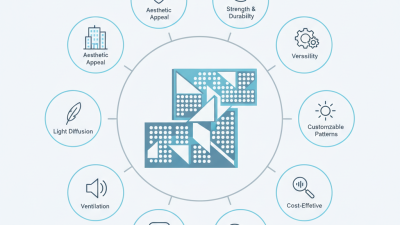
Perforated steel sheet offers remarkable cost-effectiveness and durability. The method of punching holes reduces material usage while maintaining strength. This design allows for lighter structures, which can minimize shipping costs and simplify installation. In industries such as construction and manufacturing, these savings are critical. Reduced weight translates to lower expenses, without sacrificing quality.
Durability is another major advantage. Perforated steel resists wear and can withstand harsh environments. This resilience extends the lifespan of products, leading to fewer replacements. Industries often face the challenge of materials failing under stress. Choosing perforated steel mitigates this risk. However, it's important to assess the specific application. Sometimes, using perforated sheets may not be the best choice. Balancing cost and performance is essential.
The aesthetic appeal of perforated steel is noteworthy too. It combines functionality with contemporary design. It can be used in architecture for decorative purposes, enhancing visual interest. But, potential buyers should consider maintenance. While durable, surfaces may require cleaning to prevent corrosion. This aspect can lead to increased upkeep costs over time. Evaluating long-term benefits versus maintenance is vital for smart investment decisions.
What Are the Benefits of Using Perforated Steel Sheet? - Cost-Effectiveness and Durability of Perforated Steel Materials
| Feature |
Description |
Benefits |
| Cost-Effectiveness |
Perforated steel sheets can reduce material costs while maintaining structural integrity. |
Lower initial investment and reduced material waste. |
| Lightweight |
Holes reduce material density without compromising strength. |
Easier handling and installation. |
| Aesthetic Appeal |
Available in various patterns and finishes for decorative purposes. |
Enhances visual design in architecture and interiors. |
| Ventilation |
Allows airflow while keeping items protected. |
Ideal for industrial applications and cooling systems. |
| Durability |
Resistant to corrosion and harsh environmental conditions. |
Long lifespan and low maintenance costs. |