What Are the Benefits of Using Perforated Steel Mesh?
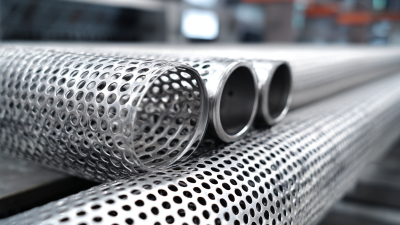
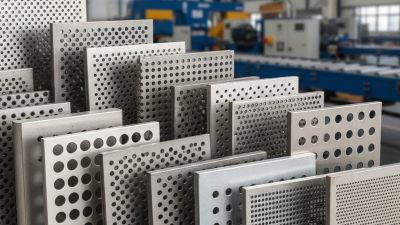
Perforated Steel Mesh is a versatile material widely used in various industries. Its unique design features numerous holes punched into the steel, allowing for airflow, light passage, and fluid filtration. This characteristic makes it ideal for applications in construction and manufacturing, where both durability and functionality are paramount.
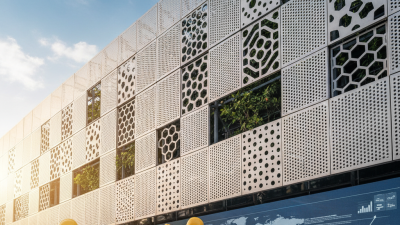
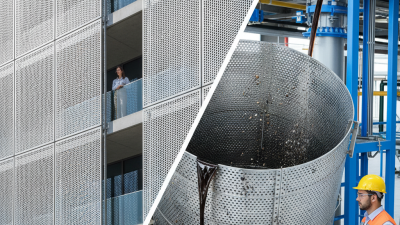
One of the key benefits of using Perforated Steel Mesh is its ability to enhance aesthetics. Architects often incorporate it into building façades, creating visually striking designs that do not compromise on structural integrity. Additionally, it can be utilized in safety barriers, ensuring protection while maintaining visibility.
Moreover, Perforated Steel Mesh offers practical advantages, such as lightweight and corrosion resistance. However, some may overlook the installation challenges. Proper expertise is essential for optimal application. Users should reflect on their specific needs and environments to choose the right specifications.
Benefits of Perforated Steel Mesh in Construction and Design
Perforated steel mesh has gained traction in construction and design for its unique benefits. Its lightweight nature allows for easier handling and installation. Industry reports indicate that using perforated materials can reduce structural weight by up to 50%, potentially cutting costs on materials and labor. Architects often appreciate the aesthetic versatility it offers. This mesh can be shaped into various designs, adding a modern touch to buildings.
The functionality of perforated steel mesh cannot be overlooked. It provides excellent ventilation while maintaining strength, crucial for facades and interior spaces. According to a recent study, structures with good airflow can reduce energy costs by 15% to 30%. This is especially important as energy efficiency becomes a key requirement in modern architecture.
However, one must consider the limitations too. While perforated steel is durable, improper installation can lead to vulnerabilities. Maintenance can also be an issue, especially in corrosive environments. Careful planning and material selection are vital. Balancing aesthetics, functionality, and durability will lead to better outcomes in construction projects.
What Are the Benefits of Using Perforated Steel Mesh?
| Benefit |
Description |
| Lightweight |
Perforated steel mesh is lighter than solid metal sheets, making it easier to handle and install. |
| Ventilation |
Allows for air passage, reducing heat buildup and improving environmental comfort in buildings. |
| Aesthetic Appeal |
Offers various patterns and designs, enhancing the appearance of structures. |
| Durability |
Resistant to weathering and corrosion, ensuring long-lasting performance. |
| Cost-Effectiveness |
Lower material costs and reduced energy use during installation contribute to overall savings. |
| Sound Absorption |
Can help in reducing noise pollution, making it suitable for urban environments. |
| Versatility |
Applicable in various sectors including construction, automotive, and architecture. |
Enhanced Aesthetic Appeal of Perforated Steel Mesh Solutions
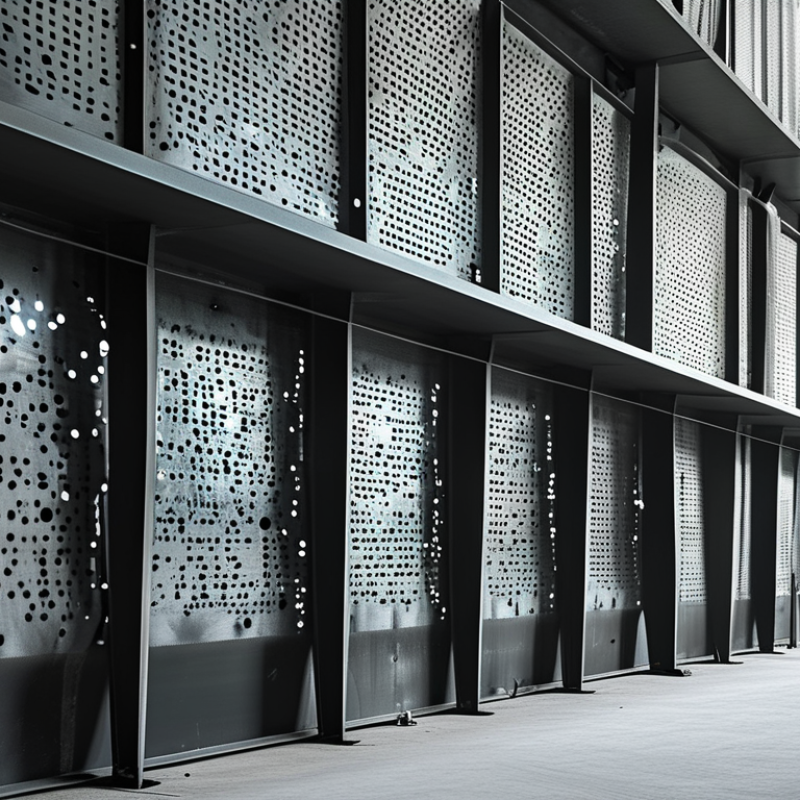
Perforated steel mesh offers a unique blend of functionality and style. Its design can enhance the visual appeal of various structures. From modern buildings to public installations, perforated steel mesh catches the eye. The patterns and holes create shadows and reflections, adding depth to surfaces. This interplay of light and texture can transform an ordinary facade into a striking architectural feature.
Many designers appreciate the versatility of perforated steel mesh. It comes in various shapes and sizes, making it adaptable to different projects. The mesh can be powder-coated or left raw, which affects its final appearance. While these options are beneficial, they also require careful consideration. A poorly chosen finish can lead to inconsistencies in the overall design. There are numerous factors to weigh when selecting the right perforated steel mesh for a project.
Moreover, the aesthetic options are vast, yet they should align with the intended purpose. Balancing form and function is crucial in design. While perforated steel mesh enhances beauty, it must also serve its intended role effectively. It’s vital to understand how aesthetics impact not just design but also users’ perceptions of space.
Improved Ventilation and Light Distribution in Spaces
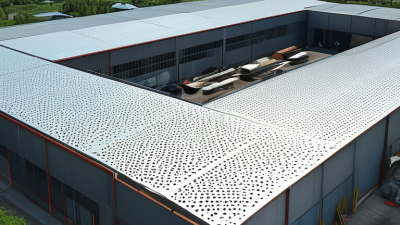
Perforated steel mesh has become a popular choice in architectural design. One of its key advantages is improved ventilation. The small holes in the mesh allow air to flow freely. This is especially beneficial in crowded spaces. Enhanced airflow reduces stuffiness, making environments more comfortable.
Light distribution is another major benefit. The openings in the mesh can filter natural light, creating a pleasant ambiance. This effect softens harsh lighting, making spaces feel more inviting. However, the effectiveness of light filtering can vary based on the size of the holes. Finding the right balance is essential. Too large may cause glare, while too small may block out too much light.
While perforated steel mesh offers numerous advantages, it’s not without challenges. Installation requires precision to maximize benefits. Improper placement can lead to uneven ventilation and inadequate light distribution. Thinking through the layout carefully is crucial. Mistakes in design can detract from the intended positive impacts. It's important to reflect on these factors to achieve the best results.
Durability and Longevity of Perforated Steel Mesh Materials
Perforated steel mesh is celebrated for its durability and longevity. This material undergoes rigorous tests, often demonstrating resistance to corrosion. Research shows that galvanized perforated steel can endure harsh environmental conditions effectively. Its lifespan often exceeds 50 years if properly maintained.
In industries such as construction, the performance of perforated steel is crucial. Studies indicate that it retains structural integrity under significant stress. This makes it suitable for numerous applications, from architectural designs to filtration systems. The mesh can withstand high loads, making it a reliable choice for safety-critical structures.
Despite its numerous benefits, some concerns exist. Improper installation can lead to premature wear. Regular inspections are necessary to identify any signs of fatigue or damage. Ignoring these factors can diminish the material's advantages, affecting its long-term performance. Users should always consider these aspects to maximize the benefits of perforated steel mesh.
Applications of Perforated Steel Mesh Across Various Industries
Perforated steel mesh has become a vital component across various industries. In construction, it serves as a robust support system for scaffolding. The holes allow for lightweight structures while maintaining strength. Architects appreciate its aesthetic qualities, often integrating it into building facades. The versatility of this material encourages innovative design solutions.
In the automotive sector, perforated steel mesh is used in both interior and exterior components. It provides needed ventilation while ensuring durability. Manufacturers often rely on it for sound insulation in vehicles. This dual functionality enhances both performance and comfort. However, achieving the right balance of aesthetics and utility can be challenging.
The food industry also benefits from this material. It is used in trays, strainers, and conveyors. The perforations promote airflow, facilitating better hygiene and easier cleaning. Yet, concerns about rusting and corrosion remain significant. Regular maintenance and careful selection of materials can mitigate these issues. Each application presents unique challenges that require thoughtful consideration and decision-making.