What are the Benefits of Using Perforated Metal Plates?
Perforated Metal Plates have gained popularity for various applications. Their unique design offers both functional and aesthetic advantages. Many industries utilize these plates for different purposes, such as screening, ventilation, and decorative elements.
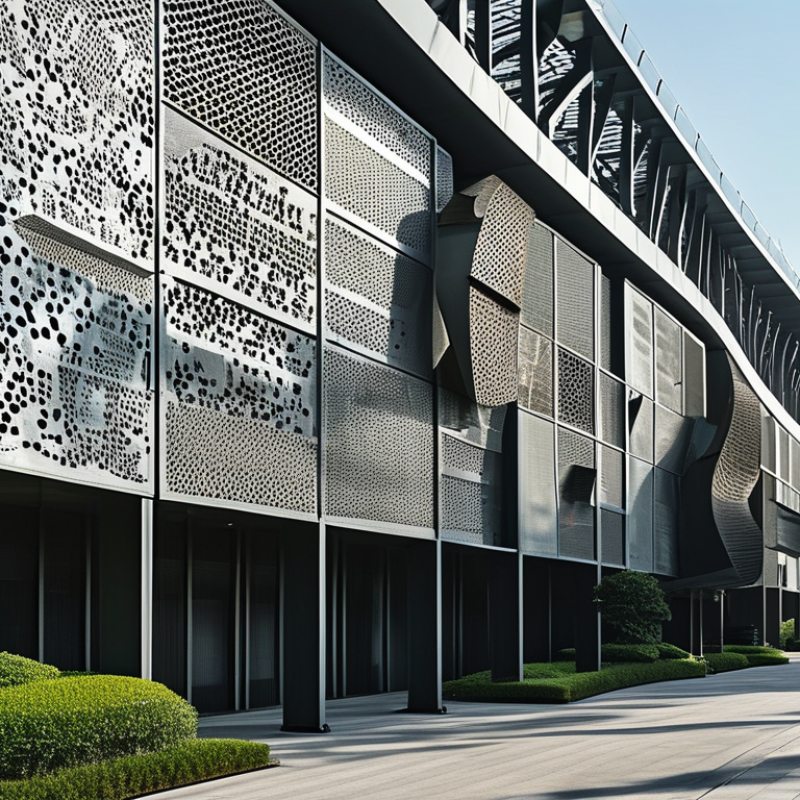
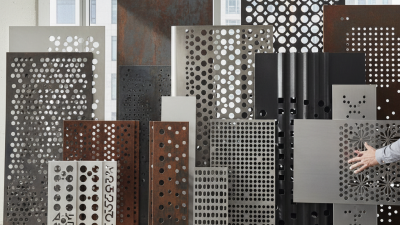
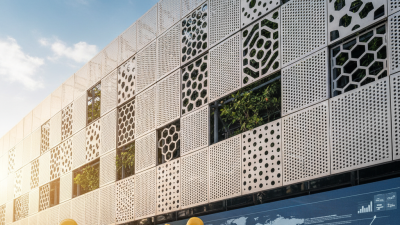
The versatility of Perforated Metal Plates is undeniable. They come in various sizes, shapes, and materials, making them adaptable. This adaptability allows for their use in construction, architecture, and even art installations. For instance, they can enhance building facades while providing needed airflow.
However, some may overlook potential drawbacks. For example, the effectiveness of a Perforated Metal Plate can depend on its hole size and pattern. Choosing the wrong specifications may lead to inefficiencies. It is crucial to consider these factors before making a decision. Balancing aesthetics and functionality is key when utilizing these versatile materials.
Benefits of Perforated Metal Plates in Architecture and Design
Perforated metal plates have gained significant traction in architecture and design due to their flexibility and aesthetic appeal. These plates can provide both functionality and beauty. A report by the Metal Architecture Association highlights that over 60% of architects recognize the value of perforated metal in modern projects.
These plates serve multiple purposes. They can enhance ventilation and light diffusion while maintaining privacy. Many designers appreciate the adaptability of perforated metal in various applications. It can be used in facades, screens, and interior features. Interestingly, the National Roofing Contractors Association shows that buildings utilizing perforated materials can see a reduction in energy costs by approximately 20%.
A concern arises about the installation process. Perforated plates require precise measurements and fitting. Even a small error can lead to aesthetic and functional issues. Moreover, choosing the right material and hole pattern can be daunting. Designers must balance creativity with practical considerations. Striking this balance often involves trial and error, which can be time-consuming.
Enhanced Sound Absorption with Perforated Metal Plates
Perforated metal plates have become increasingly popular in various architectural applications, especially for enhancing sound absorption. These plates have tiny holes that allow sound waves to penetrate, reducing noise levels in any environment. In auditoriums or open offices, using perforated metal can help create a more pleasant atmosphere.
The design of perforated plates is not just functional; it also offers aesthetic appeal. Various patterns and hole sizes can be customized to match your space’s style. In addition to improving acoustics, it adds an artistic touch. However, planning is essential. If the holes are too large or poorly arranged, sound absorption can be compromised.
Tips: Ensure that the placement of these plates is strategic. Consider the sound sources in your space and where to install the panels. Experimentation can lead to better sound management. Remember that proper installation is key. Sometimes, height and angle make a difference. If you find that the sound environment isn't satisfactory, reassess your choices. Small adjustments can result in significant improvements.
Benefits of Using Perforated Metal Plates
| Feature |
Description |
Benefits |
| Sound Absorption |
Perforated metal plates allow sound waves to pass through and be absorbed by materials behind them. |
Reduces noise levels and echoes in various environments. |
| Aesthetic Appeal |
Available in various patterns and finishes for decorative purposes. |
Enhances the visual appeal of buildings and structures. |
| Lightweight |
Constructed from thin sheets of metal with holes. |
Easier to handle and install compared to solid metal plates. |
| Ventilation |
Promotes airflow while maintaining structural integrity. |
Ideal for applications needing air circulation without compromising strength. |
| Durability |
Made from strong metals resistant to corrosion and wear. |
Long-lasting investment for building and construction projects. |
Versatility of Perforated Metal Plates in Construction Applications
Perforated metal plates offer exceptional versatility in construction applications. These plates, made from various metals, feature precision holes that enhance functional properties. They are lightweight yet sturdy, making them a common choice for facades, ceilings, and decorative elements. According to the Metal Construction Association, the use of perforated metal increased by 30% over the past five years in commercial buildings, reflecting its growing popularity.
In terms of utility, perforated metal plates allow for efficient airflow and sound absorption. This quality is particularly beneficial in urban settings where noise pollution is prevalent. Additionally, they can serve aesthetic purposes, providing visual interest while maintaining structural integrity. A report from the Architectural Engineering Institute suggests that architects increasingly incorporate these materials into modern designs, blending functionality with artistic expression.
Despite these advantages, challenges exist. Installation can be complex, requiring skilled labor to ensure accuracy. Weather resistance can vary based on metal type and coatings used. It is essential to evaluate suitability for specific environmental conditions. Awareness of these factors can help designers make informed choices.
Aesthetic Appeal: Decorative Uses of Perforated Metal Plates
Perforated metal plates have become popular in modern design. Their aesthetic appeal lies in their unique patterns and textures. These plates can filter light while adding visual interest to any space. Architects often use them in facades and interior designs to create a harmonious blend of form and function.
In commercial spaces, perforated metal panels enhance environments. They are used for walls, ceilings, and partitions. These designs invite creativity and innovation. On the other hand, it’s essential to consider the right pattern. Not all designs suit every functionality. Choosing the wrong pattern may lead to unintended visual clutter or diminished effectiveness.
Moreover, the use of perforated metal may seem easy, but it requires careful planning. The combination of materials and design can affect durability and maintenance. Balancing aesthetics with practical needs can be challenging. Every design choice impacts the project’s overall appeal, and reflection on these aspects is vital.
Improved Ventilation and Light Distribution Using Perforated Metal Plates
Perforated metal plates play a critical role in enhancing ventilation and light distribution in various settings. These plates are designed with precise holes that allow air and sunlight to flow through efficiently. According to industry studies, buildings equipped with perforated metal systems can improve air circulation by up to 30%. This is significant for maintaining indoor air quality and reducing reliance on HVAC systems.
Natural light is another crucial benefit. The perforations facilitate diffused sunlight, minimizing glare while maximizing brightness. A report by the American Institute of Architects indicates that proper light distribution using materials like perforated metal can lead to a 20% reduction in lighting costs. It enhances the aesthetic appeal of spaces without compromising functionality, making it popular in both residential and commercial applications.
However, it's essential to consider design and placement. Improperly installed perforated plates may not achieve the desired effects. They must be strategically positioned to optimize their benefits. Some designs may not provide adequate structural support if not reinforced properly. Assessing the right specifications and installation methods is vital to harness the full potential of perforated metal plates.