Inquiry
Form loading...

Top 10 Benefits of Using Perforated Steel Sheet in Construction and Design

In the ever-evolving landscape of construction and design, one material that has garnered significant attention is the Perforated Steel Sheet. This versatile product not only offers functional benefits but also enhances aesthetic appeal in various applications. According to industry expert Dr. Emily Carter, "The use of Perforated Steel Sheet allows architects and designers to creatively integrate practicality with elegance, transforming ordinary structures into visually striking environments."

With its unique combination of strength, lightweight nature, and customizable patterns, Perforated Steel Sheet has become a go-to choice for many professionals in the field. From facades and privacy screens to ventilation solutions, this material provides an array of advantages that address both structural needs and design aspirations. The dynamic interplay of light and shadow created by its patterns can elevate a space, making it both welcoming and artistic.

As we delve into the top ten benefits of using Perforated Steel Sheet in construction and design, we will uncover how this innovative material not only meets practical requirements but also offers aesthetic flexibility, paving the way for exciting developments in architectural design.

Top 10 Benefits of Using Perforated Steel Sheet in Construction and Design

Benefits of Perforated Steel Sheet in Structural Support and Stability

Top 10 Benefits of Using Perforated Steel Sheet in Construction and Design

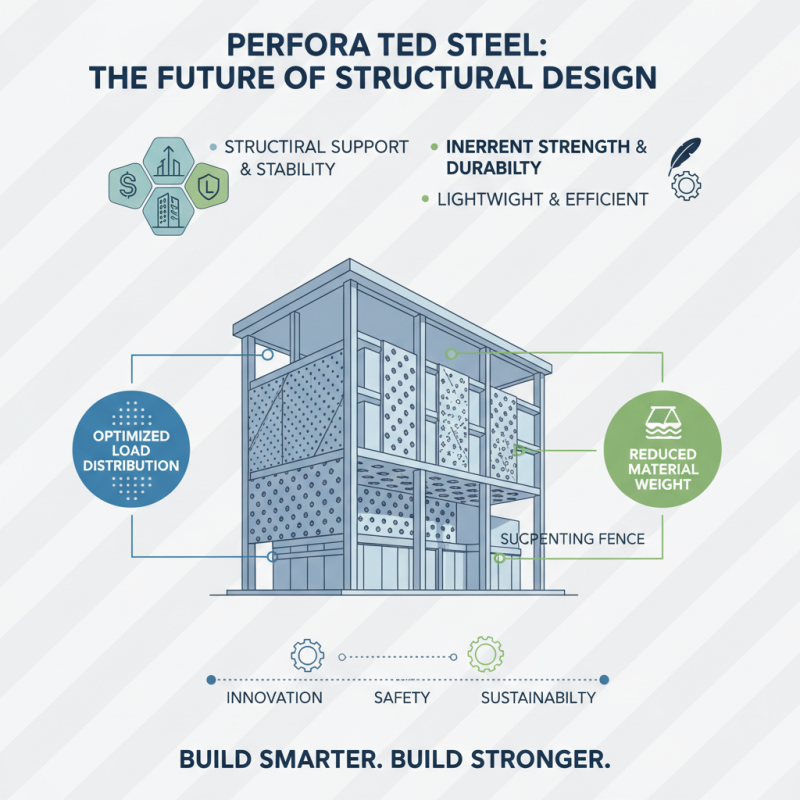
Perforated steel sheets are increasingly recognized for their vital role in structural support and stability within construction and design. Their inherent strength makes them an excellent choice for various applications, from load-bearing walls to protective barriers. The unique patterns of perforation not only reduce the overall weight of the material, thus enhancing its efficiency in structural frameworks, but also contribute to improved load distribution. This characteristic allows architects and engineers to design more innovative and lightweight structures without compromising safety.

In addition to their strength and weight advantages, perforated steel sheets offer exceptional resistance to environmental influences. Their ability to withstand harsh weather conditions and corrosive substances makes them reliable for long-term applications. The drilling patterns can also facilitate better airflow and drainage, significantly reducing the risk of water accumulation and structural damage over time. When incorporated into construction projects, these materials contribute to enhanced durability and stability, resulting in structures that can endure the test of time while maintaining aesthetic appeal.
Enhancing Aesthetic Appeal with Perforated Steel in Design Projects

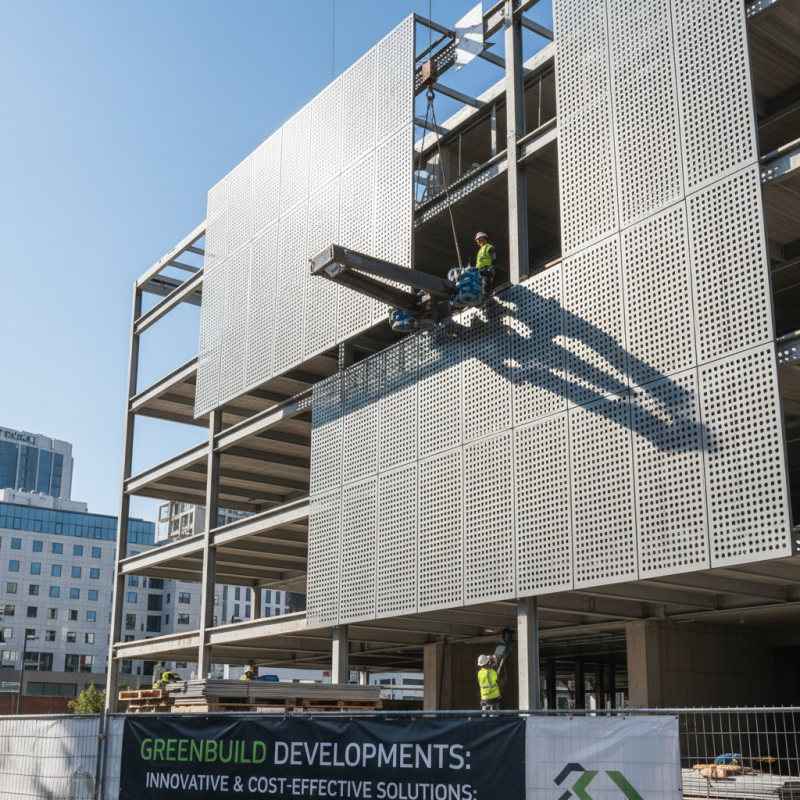
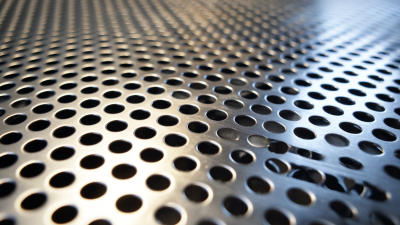
Perforated steel sheets are increasingly gaining popularity in design projects due to their unique ability to blend functionality with aesthetic appeal. By integrating precise patterns of holes, these sheets transform ordinary structures into eye-catching elements that can enhance the overall visual experience of a space. The interplay of light and shadow created by perforated designs adds depth and texture, making buildings and interiors more inviting. Additionally, these sheets come in various shapes and sizes, allowing designers to customize their applications according to the specific theme or purpose of their projects.

Beyond their decorative benefits, perforated steel sheets facilitate innovative design solutions. They can serve as effective partitions, allowing for airflow and visibility while maintaining a sense of openness. This characteristic makes them ideal for both indoor and outdoor environments, where they can function as screens, facades, or railings. The versatility of perforated steel not only helps in achieving a modern look but also aligns with sustainable design practices by offering durability and recyclability. Consequently, when chosen thoughtfully, perforated steel sheets can significantly elevate the aesthetic value of any construction while catering to practical needs.

Top 10 Benefits of Using Perforated Steel Sheet in Construction and Design

Applications of Perforated Steel in Ventilation and Light Filtration

Perforated steel sheets are increasingly becoming a go-to option in modern construction and design, particularly for their diverse applications in ventilation and light filtration. Their unique pattern of holes allows for effective air circulation, making them ideal for use in building facades and interior spaces that require adequate airflow. This feature enhances indoor climate control, reducing reliance on mechanical ventilation systems and thus contributing to energy efficiency. In environments like parking garages or industrial buildings, perforated steel can serve as a barrier against harsh weather elements while still allowing fresh air to permeate and circulate.

Moreover, the aesthetic value of perforated steel sheets cannot be overlooked. When strategically incorporated into design elements, they can modulate light within a space, creating an ambient atmosphere that changes throughout the day as natural light filters through. This capability not only elevates the visual appeal of buildings but also optimizes daylighting, which benefits occupants by reducing the need for artificial lighting. In public spaces, such as museums or galleries, perforated steel can serve as partitions that allow for the gentle transmission of light while maintaining a sense of openness and connectivity, enhancing the overall user experience.

Sustainability and Efficiency: Eco-Friendly Aspects of Perforated Steel

The use of perforated steel sheets in construction not only enhances aesthetic appeal but also significantly contributes to sustainability and efficiency. According to recent studies by the Steel Recycling Institute, around 70 million tons of steel are recycled every year in the U.S. alone. Perforated steel sheets are often made from recycled materials, thus reducing the demand for virgin steel and minimizing energy consumption during the production process. This closed-loop system leads to a considerable reduction in greenhouse gas emissions, aligning with the goals set out in various sustainability frameworks.

Incorporating perforated steel into building designs can also promote energy efficiency. Its ability to facilitate natural ventilation can decrease the reliance on artificial climate control systems, thus lowering energy bills and enhancing indoor air quality. The National Renewable Energy Laboratory reported that integrating materials that improve airflow can contribute to energy savings of up to 25% in certain buildings. This means that not only does perforated steel make a striking architectural statement, but it also plays an integral role in achieving long-term operational savings.

Tips for utilizing perforated steel effectively include focusing on the size and spacing of the holes to optimize sound absorption or light filtration based on your project needs. Additionally, consider the orientation and placement of the sheets to harness natural light while reducing heat gain. Engaging with eco-friendly design principles can lead to more innovative solutions, allowing buildings to thrive sustainably while meeting modern design standards.

Top 10 Benefits of Using Perforated Steel Sheet in Construction and Design

Benefit Description Sustainability Aspect Efficiency Aspect
Lightweight Easy to handle and install, reducing labor costs. Less material means lower energy consumption in production. Faster construction times due to easier installation.
Aesthetic Appeal Offers unique design possibilities for facades and interiors. Promotes greener building practices with modern design. Enhances natural lighting, reducing dependence on artificial lighting.
Ventilation Allows for airflow, improving indoor air quality. Helps reduce cooling energy requirements. Minimizes the need for HVAC systems in certain applications.
Durability Resistant to wear and tear for long-lasting applications. Reduces waste as longer-lasting materials are eco-friendlier. Lower costs over time due to fewer replacements.
Versatility Suitable for a wide range of applications across industries. Reduces the necessity for multiple materials, minimizing resource extraction. Streamlines design and construction processes.
Acoustic Performance Can absorb sound, improving acoustic environments. Less reliance on synthetic soundproofing materials. Enhances comfort in busy urban environments.
Recyclability 100% recyclable material, promoting a circular economy. Supports sustainable resource management. Reduces landfill waste with end-of-life recycling.
Fire Resistance Non-combustible properties enhance safety. Minimizes the use of fire-retardant chemicals. Potentially lowers insurance costs related to fire hazards.
Cost-Effectiveness Affordably priced compared to other materials with similar benefits. Conserves resources and minimizes waste. Reduces both initial investment and long-term costs.

Cost-Effective Solutions: Economic Advantages of Using Perforated Steel Sheet

Top 10 Benefits of Using Perforated Steel Sheet in Construction and Design

Perforated steel sheets have become a preferred material in construction and design due to their cost-effective advantages. According to a report by the U.S. Department of Energy, using perforated metal can save up to 25% in materials compared to solid sheets. This is primarily due to the reduction in weight, which decreases shipping and installation costs. Additionally, the lighter weight of perforated sheets allows for easier handling and lower labor costs, making them an economically viable option for large-scale construction projects.

Moreover, perforated steel sheets are often used in applications that require both structural integrity and aesthetic appeal, contributing to long-term savings. The versatile nature of perforated metals allows for innovative architectural designs that can effectively reduce energy consumption. A study from the American Institute of Steel Construction indicated that buildings utilizing perforated materials can achieve energy savings of over 15% by improving airflow and reducing the need for artificial lighting. As sustainability becomes a priority in construction, the economic benefits of perforated steel sheets position them as a leading choice among architects and builders seeking both functionality and cost efficiency.