Discover the Benefits of Perforated Metal Screen Panels for 2026?
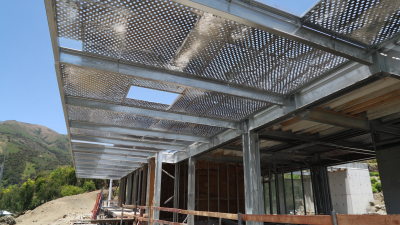
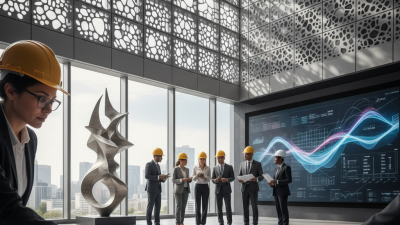
As the world evolves towards more sustainable and efficient architectural solutions, Perforated Metal Screen Panels emerge as a prime choice in 2026. These innovative panels offer a unique blend of functionality and aesthetics. They can be used for facades, ceilings, and even internal partitions. Their versatility is unmatched, making them suitable for various applications.
These panels provide excellent ventilation. They allow natural light to penetrate spaces while maintaining privacy. This balance of openness and seclusion makes them ideal for both residential and commercial settings. Additionally, the perforations can be customized in size and pattern, offering endless design possibilities. This customization often sparks the creative juices of architects and designers.
However, not every application may benefit from Perforated Metal Screen Panels. Some projects might require solid barriers for insulation or security. Evaluating the specific needs of a project is essential. A thoughtful approach ensures that the choice of materials aligns with overall design goals. In conclusion, these panels present exciting opportunities, yet careful consideration is always necessary.
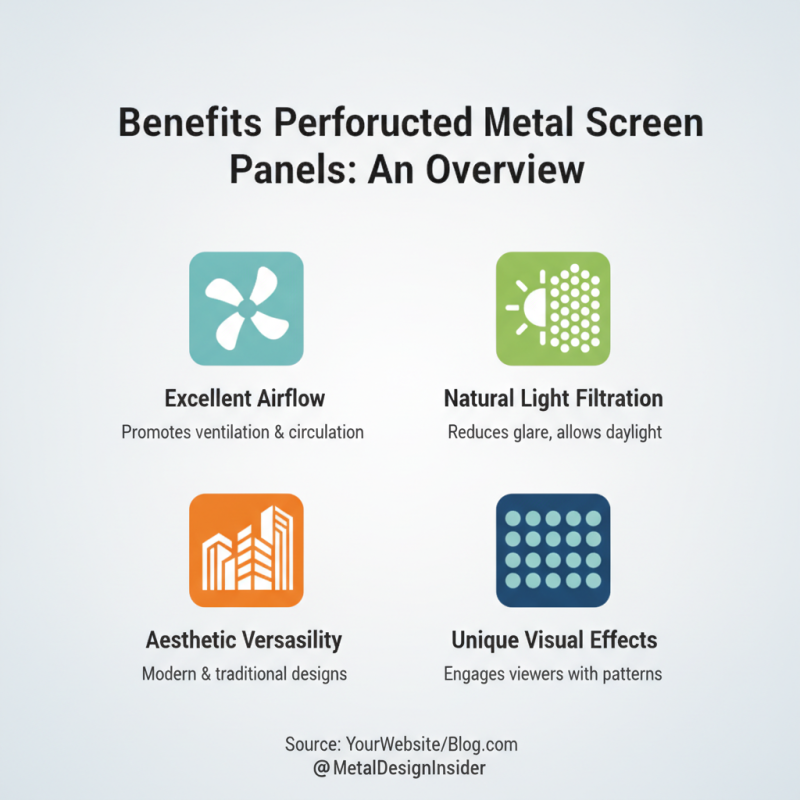
Benefits of Perforated Metal Screen Panels: An Overview
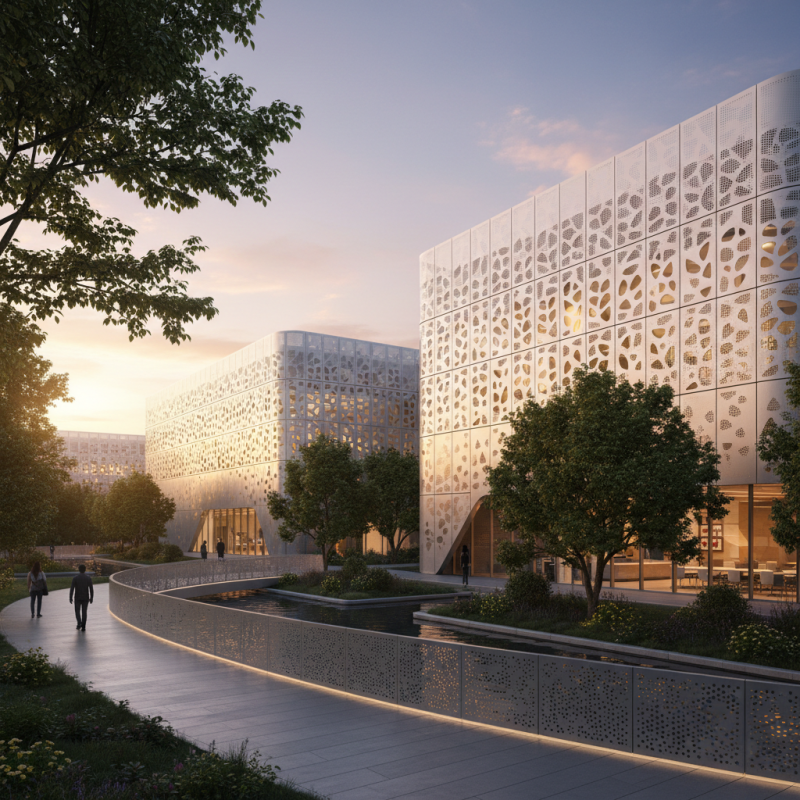
Perforated metal screen panels are increasingly popular in various sectors. They offer excellent airflow and light filtration, making them ideal for architectural designs. Their aesthetic versatility enhances both modern and traditional spaces. Designers appreciate how these panels create unique visual effects that engage viewers.
The durability of perforated metal is noteworthy. It withstands harsh weather conditions, ensuring longevity. This feature reduces maintenance costs over time. However, choosing the right pattern and material can be tricky. It requires careful consideration of the application and environment. Some designs may not provide the desired privacy or shade. Balancing functionality with aesthetics is essential.
In industrial settings, perforated panels are practical. They serve well as noise barriers and safety screens. Yet, the effectiveness of sound absorption can vary. Not all designs will suit every need. It’s crucial to evaluate your specific requirements. By doing so, you can harness the full potential of these versatile panels.
Applications of Perforated Metal Panels in Various Industries
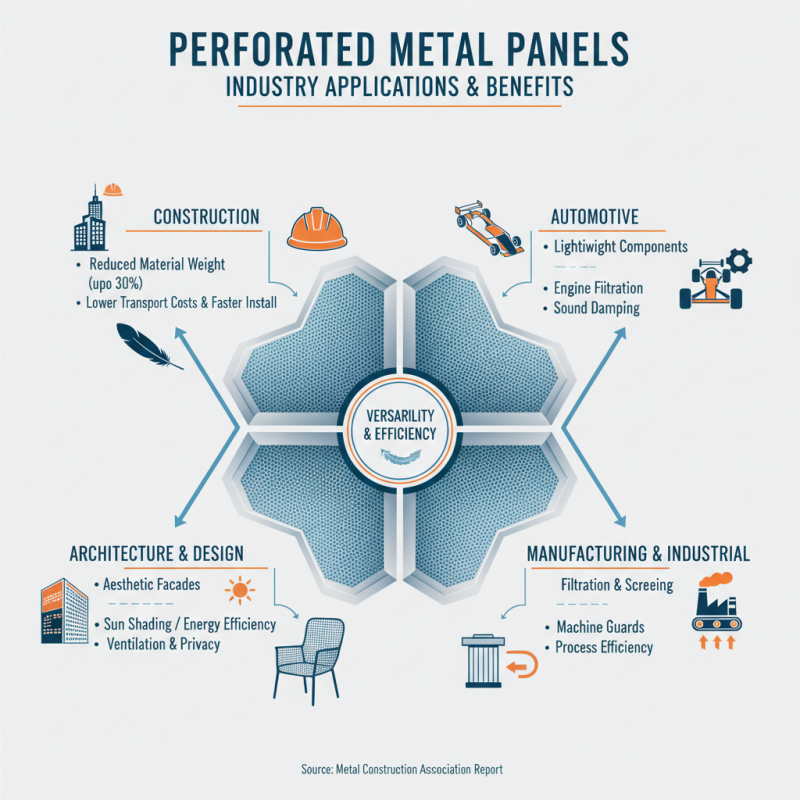
Perforated metal screen panels are gaining traction across various industries. Their use in construction, for instance, is notable. A report from the Metal Construction Association indicates that perforated panels can reduce material weight by up to 30%. This lightness can decrease transportation costs, enhancing project efficiency.
In architectural applications, these panels provide airflow and natural light while maintaining security. The Global Perforated Metal Market Report forecasts continued growth, with a projected value of $2 billion by 2025. These numbers highlight their increasing relevance in sustainable building practices. However, the choice of material and design is critical. Poorly designed panels may compromise structural integrity and aesthetics.
The manufacturing industry also benefits from perforated materials. They facilitate better sound absorption and insulation. Noise reduction can improve workplace productivity, a vital factor in high-stakes production environments. While many industries enjoy these advantages, it's essential to consider specific applications and environments carefully. Adopting a one-size-fits-all approach can lead to suboptimal results. Consideration of factors like durability and maintenance is crucial for optimal performance.
Key Advantages of Using Perforated Metal in Construction Projects
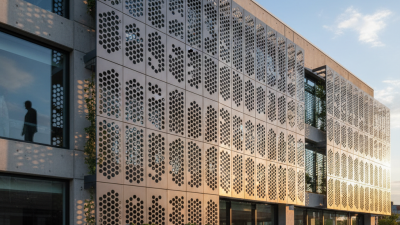
Perforated metal screen panels are becoming increasingly popular in construction projects. These panels offer unique advantages that enhance both functionality and aesthetics. One key benefit is their versatility. They can be used in various applications, from facades to partitions. The holes allow for ventilation, light filtration, and privacy, creating a perfect balance in design.
Durability is another critical aspect. Perforated metal is resistant to harsh weather and does not easily corrode. This longevity makes it a reliable choice for outdoor structures. However, it's essential to consider maintenance; periodic cleaning may be necessary to prevent dirt buildup. Scrutinizing installation methods is vital too. Proper alignment ensures panels function effectively.
Moreover, these panels can significantly impact energy efficiency. They can help reduce heat build-up, lowering cooling costs. Yet, they require careful design consideration. Not all hole patterns will work for every project. Architects must evaluate usage and environment. Despite their many benefits, perforated metal might not suit every aesthetic preference or project requirement. Thoughtful application is crucial for maximizing their potential.
Market Trends and Future Growth of Perforated Metal Screens by 2026
The perforated metal screen panels market is evolving rapidly. By 2026, this industry is poised for growth. Architects and designers increasingly favor these materials for their versatility. They offer aesthetic appeal while ensuring functionality. Perforated metal screens facilitate light and airflow. This characteristic makes them suitable for various applications.
In urban settings, perforated screens are gaining attention. They help reduce noise pollution in high-density areas. Building developers seek solutions that balance beauty and performance. Perforated metals fit this need well, offering a unique blend. They enhance facades and create engaging interiors. However, achieving the perfect design can be challenging. Some projects face difficulties in finding the ideal perforation patterns.
Sustainability also plays a crucial role. Consumers prefer eco-friendly materials in their builds. Accurate sourcing and energy-efficient production methods are essential. These steps can significantly influence market dynamics. The shifts are not always clear-cut, indicating the need for continuous research. Understanding trends will empower stakeholders to make informed decisions moving forward.
Discover the Benefits of Perforated Metal Screen Panels for 2026
| Dimension |
2023 Value |
2026 Projected Value |
Growth Rate (%) |
| Market Size (Billion USD) |
2.5 |
3.8 |
52% |
| Global Demand (Million Units) |
750 |
1,150 |
53.33% |
| Key Industry Sectors |
Construction, Automotive, Aerospace |
Construction, Automotive, HVAC, Architecture |
N/A |
| Average Price per Unit (USD) |
3.00 |
3.20 |
6.67% |
| Innovation Trends |
Standard Designs |
Customizable and Eco-Friendly Solutions |
N/A |
Sustainability and Environmental Impact of Perforated Metal Solutions
Perforated metal screen panels are gaining recognition for their sustainability benefits. They efficiently allow airflow, reducing energy consumption in buildings. This characteristic can significantly decrease the reliance on HVAC systems. By optimizing energy use, perforated panels contribute to lower carbon emissions.
The materials used in perforated metal panels are often recyclable. This feature promotes a circular economy. However, not all processes for manufacturing these panels are eco-friendly. The production must be carefully evaluated to minimize environmental harm. It is essential to consider the extraction of raw materials and the energy consumed during production.
Using perforated metal solutions can enhance aesthetic appeal while improving functionality. Architects appreciate their versatility for both indoor and outdoor applications. Additionally, integrating these panels into designs can sometimes create challenges. Finding the right balance between design and practicality may require multiple iterations. Nevertheless, the commitment to sustainable practices in using perforated panels is a step toward a greener future.