Top 10 Benefits of Perforated Metal Panels for Modern Design Applications?
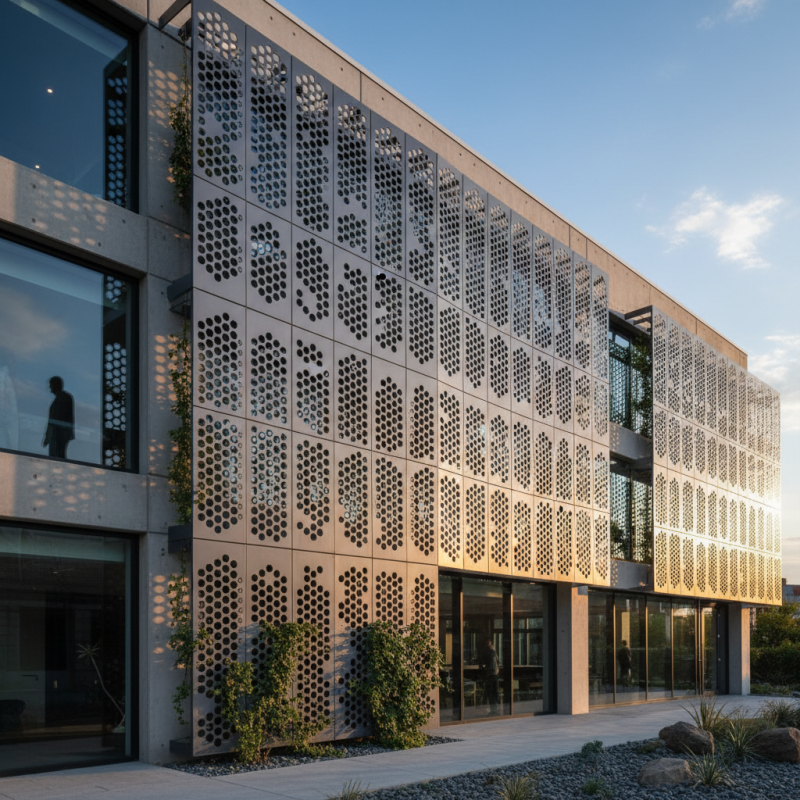
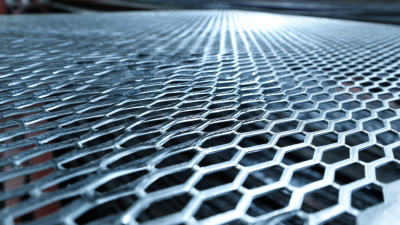
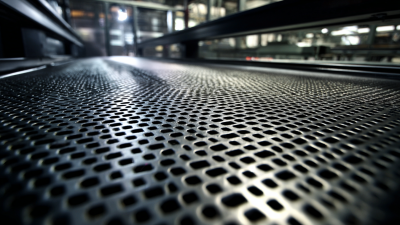
In the world of modern architecture, design choices can significantly impact aesthetics and functionality. Perforated Metal Panels offer a unique blend of these qualities. They feature precision-designed holes, allowing for light and air while maintaining structural integrity.
These panels can transform spaces with their versatile applications. From facades to interiors, they provide visual interest and practical solutions. However, the choice of patterns and materials deserves careful consideration. Each design decision should reflect the intended atmosphere and purpose.
Yet, the use of Perforated Metal Panels is not without challenges. Designers must balance creativity with technical limitations. Understanding the potential drawbacks, like maintenance and installation, is critical. Overall, embracing these panels can lead to innovative outcomes with thoughtful planning.
Benefits of Perforated Metal Panels in Architectural Aesthetics
Perforated metal panels are increasingly popular in modern architecture. They blend functionality with aesthetic appeal, transforming spaces into works of art. According to a recent industry report, these panels can reduce material costs while enhancing visual interest. Architects appreciate their versatility in both interior and exterior designs.
With customizable perforation patterns, these panels offer unique design solutions. Patterns can control light flow, creating beautiful shadow effects while maintaining privacy. For instance, an area with high foot traffic can utilize panels to guide attention and enhance the overall experience. Choosing the right pattern can add depth and character to any space.
Tips: Consider how the panel's design interacts with natural light. Explore different materials and finishes, as they can drastically change the look. Always collaborate with a knowledgeable supplier to understand the implications of your choices. Balancing cost with design may require reflection on your priorities. Aim for innovation, but remember practicality is key.
Enhanced Ventilation and Light Control in Building Design
Perforated metal panels are essential in modern building design. They enhance ventilation and allow natural light while maintaining privacy. These panels feature various hole patterns that can be customized. Such designs create dynamic facades that engage with their surroundings.
When installed, perforated panels can improve airflow significantly. This feature reduces reliance on HVAC systems, promoting energy efficiency. Light control is another benefit. Architects can design spaces that receive just the right amount of natural light. Bright, airy environments boost mood and productivity. However, careful planning is needed to avoid excessive glare.
While perforated panels offer many advantages, their effectiveness relies on placement. Poorly positioned panels may create unwanted wind tunnels or dark spots. Designers must consider local climate and building orientation. Ongoing evaluation of panel performance is vital for optimal results. Balancing aesthetics and functionality remains a challenge in every project.
Durability and Maintenance Advantages of Perforated Metal Panels
Perforated metal panels are becoming increasingly popular in modern design applications. Their durability is one of the key advantages. Made from high-quality metals, these panels resist rust and weathering. Studies show that properly finished perforated panels can last over 20 years outdoors. They require minimal maintenance compared to traditional building materials. Regular cleaning with mild soap and water is usually sufficient.
Another significant benefit is their versatility. These panels can be customized in various patterns and shapes. This adaptability allows architects and designers to create unique looks without sacrificing strength. For instance, the perforation pattern can enhance acoustic performance. Architects have reported a 30% reduction in noise levels in spaces using these panels.
Tip: Consider how the panel's design can affect both aesthetics and functionality.
However, there are pitfalls to consider. Improper installation may lead to early degradation. It's crucial to follow manufacturer guidelines closely to ensure longevity. Also, not all metals perform equally. For instance, aluminum may dent more easily than stainless steel.
Tip: Evaluate the specific environmental conditions before installation.
This careful consideration can lead to optimal results in maintaining the beauty and function of perforated metal panels in any design application.
Sustainability and Eco-Friendliness of Perforated Metal Solutions
Perforated metal panels are becoming increasingly popular in modern design. Their sustainability and eco-friendliness make them ideal for various applications. According to a recent industry report, nearly 50% of architects prefer materials that reduce environmental impact. Perforated panels meet this requirement by utilizing recycled metals, which help lessen the demand for virgin materials.
These panels also contribute to energy efficiency. Their unique designs allow natural light to flow through while reducing heat gain. A study found that buildings using perforated metal solutions can decrease energy consumption by up to 30%. This not only minimizes energy costs but also lowers carbon footprints.
However, there are challenges to consider. It can be difficult to balance aesthetic appeal with functionality. Some designs may not perform well in extreme weather conditions. Additionally, maintenance can be a concern, as dirt and debris can accumulate in the perforated patterns. Finding the right balance between design and practicality remains a critical issue for architects and builders.
Cost-Effectiveness of Perforated Metals in Modern Construction
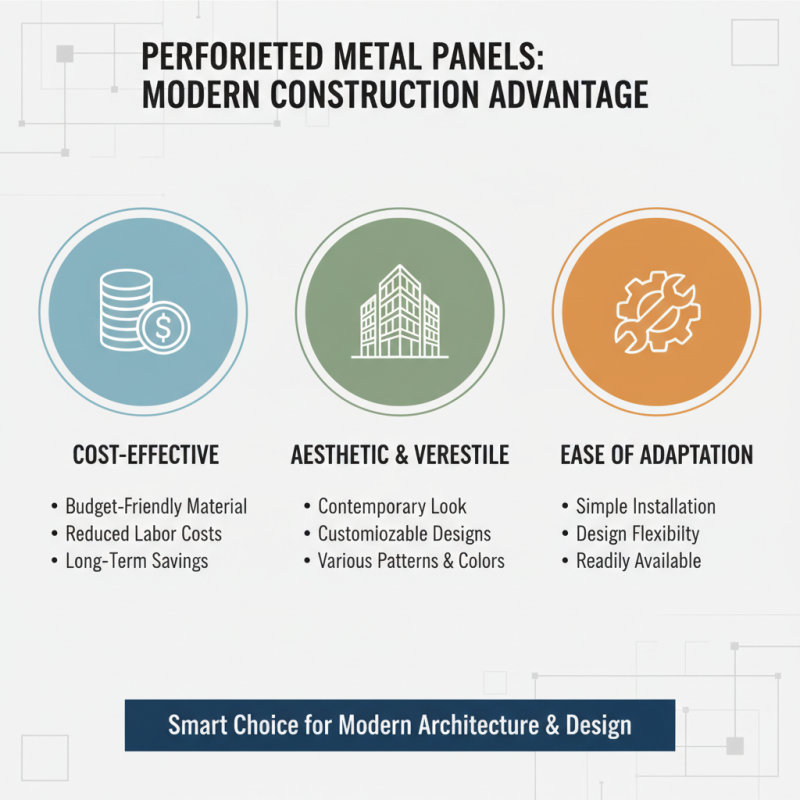
Perforated metal panels are gaining popularity in modern construction. Their cost-effectiveness is a significant factor. These panels provide aesthetic value without breaking the budget. They can be customized easily, which allows flexibility in design.
Using perforated metals can reduce material costs. They are lightweight, which means less material is needed for support. This can lower the overall expense of structures. However, some might overlook the long-term benefits. Investing in quality panels may save money over time. Maintenance costs can also be lower.
Designers appreciate the creative possibilities with perforated options. They can allow light and air to flow, enhancing spaces. Yet, achieving the perfect balance of function and form can be tricky. Some projects may face challenges regarding structural integrity. It’s crucial to consider these aspects carefully. Overall, when approached thoughtfully, perforated metal panels can bring a modern twist to any building.