2026 Top Perforated Metal Screen Buying Guide and Solutions?
When it comes to selecting the right **Perforated Metal Screen**, making an informed choice is essential. With numerous options available, understanding specific needs is crucial. These screens serve various purposes, from industrial applications to aesthetic design features. Selecting the right product can significantly impact functionality and appearance.
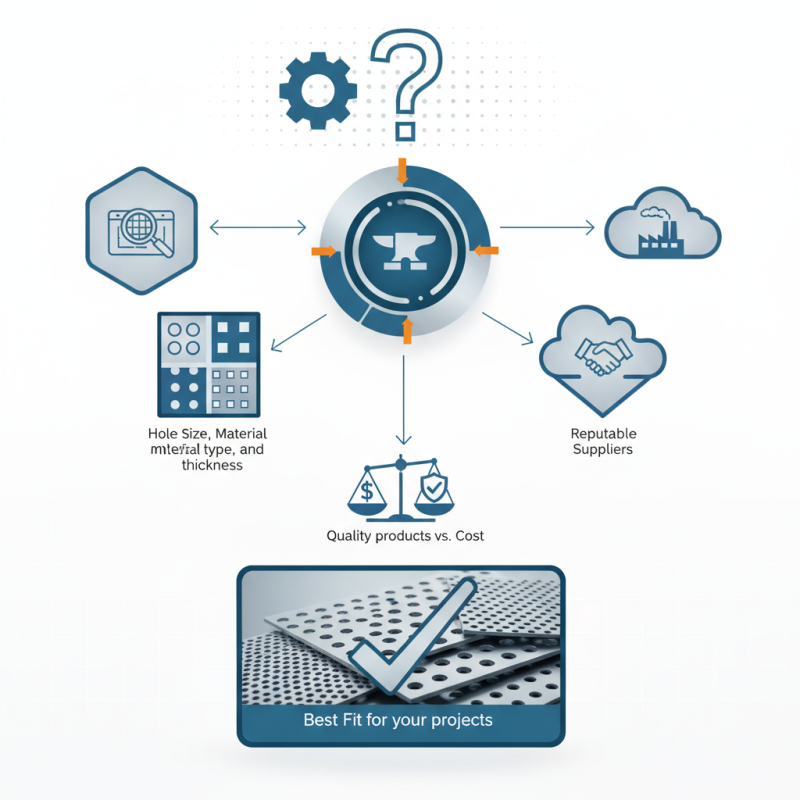
Many factors influence the decision. For example, hole size, material type, and thickness can affect performance. It’s easy to overlook such details, but they can determine how well the screen meets expectations. Experienced buyers know that customization may be necessary. Not every screen fits every need perfectly.
The process can feel overwhelming. It is also important to consider the suppliers. Are they reputable? Do they provide high-quality products? Researching these aspects can save future headaches. A little reflection goes a long way in making the right purchase. Making a choice about **Perforated Metal Screen** should not be taken lightly. It requires thought and knowledge to ensure the best fit for your projects.
Understanding Perforated Metal Screens: Definition and Applications
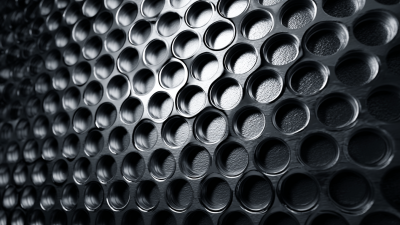
Perforated metal screens are versatile materials widely used in various applications. They consist of sheets of metal with evenly spaced holes. These holes offer functional benefits, such as ventilation, light filtration, and aesthetic appeal. Industries utilize them in construction, architecture, and manufacturing.
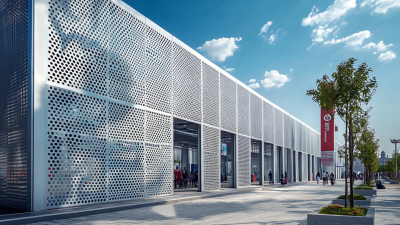
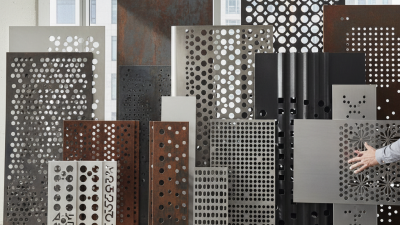
In building designs, perforated metal enhances both form and function. Designers often choose specific hole patterns to achieve desired effects. Different materials, like stainless steel or aluminum, can significantly change the screen's overall appearance. This flexibility allows for creativity.
However, selecting the right perforated metal screen can pose challenges. Factors such as hole size, spacing, and material thickness affect performance. It requires careful consideration of both intended function and aesthetic vision. Not every design will suit every application, and sometimes compromises must be made. Addressing these issues can lead to innovative solutions and a better understanding of this unique material.
Key Factors to Consider When Buying Perforated Metal Screens
When selecting perforated metal screens, several critical factors must be considered. The choice of materials is paramount. Aluminum, stainless steel, and carbon steel are common options. Each material offers unique properties, such as resistance to corrosion and weight considerations. According to industry reports, stainless steel is often preferred for its durability, especially in outdoor applications.
The hole pattern influences both aesthetics and functionality. Square, round, or custom shapes can impact light transmission and airflow. A 2023 study reveals that screens with larger holes enhance ventilation by 30% compared to smaller ones. This can significantly affect environments needing airflow and visibility.
Tips: Evaluate your project’s specific needs. Consider the environment your screens will face. Harsh conditions may require robust materials. Regular maintenance can improve longevity.
The thickness of the material also plays a role. Thicker sheets endure more stress but can be heavier and harder to work with. Be mindful of your project's load-bearing requirements. Understanding these factors can lead to more informed decisions when purchasing perforated metal screens. Experiment with different configurations to find what works best for your needs.
2026 Top Perforated Metal Screen Buying Guide and Solutions
| Features |
Description |
Considerations |
Applications |
| Material Type |
Aluminum, Steel, Stainless Steel |
Choose based on corrosion resistance and desired strength. |
Architecture, HVAC, Industrial applications |
| Hole Size |
Ranges from 1mm to 80mm |
Determine based on airflow requirements and aesthetic preferences. |
Air filtration, decorative screens |
| Thickness |
Typically ranges from 0.5mm to 3mm |
Impact resistance and weight considerations. |
Mechanical applications, noise reduction |
| Finish |
Anodized, Powder-coated, Galvanized |
Surface treatments for aesthetics and protection against rust. |
Exterior cladding, interior design |
| Customizability |
Customizable in pattern and dimensions |
Ensure compatibility with project specifications. |
Unique architectural designs, fencing |
Types of Materials Used in Perforated Metal Screen Production
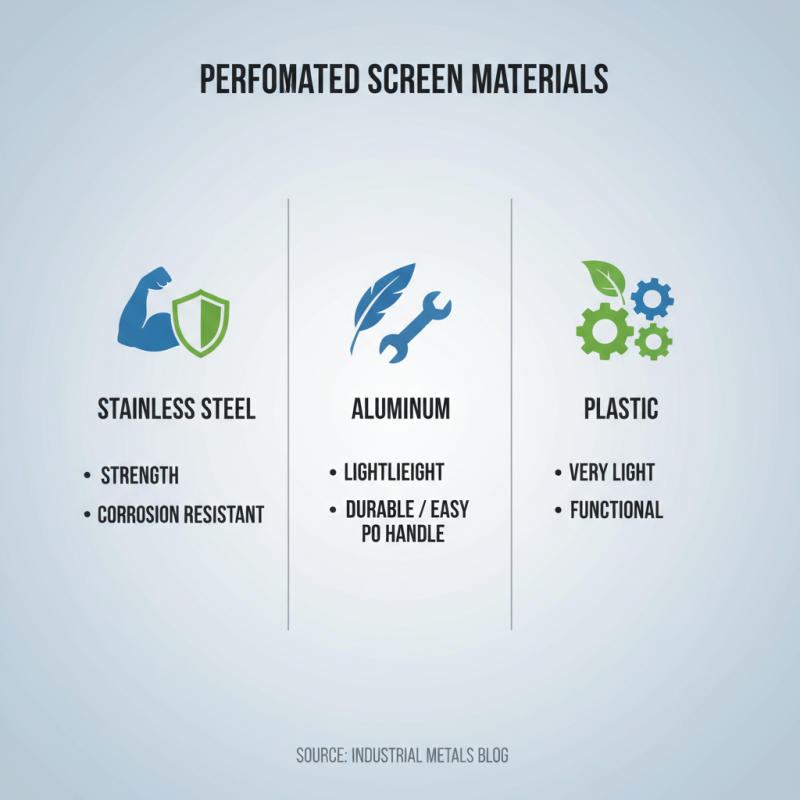
When selecting perforated metal screens, the choice of material plays a crucial role. Common options include stainless steel, aluminum, and plastic. Each material has unique properties that can cater to different needs. Stainless steel is known for its strength and corrosion resistance. Aluminum, while lighter, offers excellent durability and is easier to handle. On the other hand, plastic perforated screens can be beneficial in applications requiring lightweight materials without sacrificing functionality.
Choosing the right material depends on specific applications. Consider factors such as exposure to chemicals, weather conditions, and desired aesthetics. Stainless steel is ideal for outdoor environments, while aluminum shines in architectural designs. For temporary setups, plastic might suffice, but its longevity could be questioned. This thought process is essential and worthy of reflection when making a decision.
Tips: Always assess the environment where the screen will be used. Conduct a rigorous comparison between materials to understand their limitations. Engage with experts if unsure, as their insights can enhance your choice significantly. Each material can be a double-edged sword; weigh the pros and cons carefully.
Maintenance and Care for Perforated Metal Screens
Proper maintenance and care for perforated metal screens is crucial for their longevity and performance. Regular cleaning is essential to prevent the buildup of dirt and debris. Industry standards suggest cleaning these screens every two to three months, depending on environmental conditions. Neglecting this can lead to clogs, reducing airflow and efficiency. Studies indicate that up to 30% of screen performance can decline due to improper maintenance.
Inspecting for damage is another key aspect. Check for corrosion or bent metal, as these can compromise functionality. Minor repairs, like replacing fasteners, are often easy and low-cost. However, if a screen shows significant wear, it may need replacement. According to industry reports, over 25% of perforated screens underperform due to neglect. This reinforces the need for a proactive approach to maintenance.
In the case of outdoor installations, consider the impact of weather conditions. Screens exposed to harsh elements may require more frequent upkeep. A protective coating can help extend the life of metal screens, but it is not foolproof. Review product specifications to understand limitations. The right care regimen ensures that perforated screens continue to meet their performance expectations.
2026 Top Perforated Metal Screen - Maintenance and Care
Cost Considerations and Pricing Trends for 2026 Perforated Screens
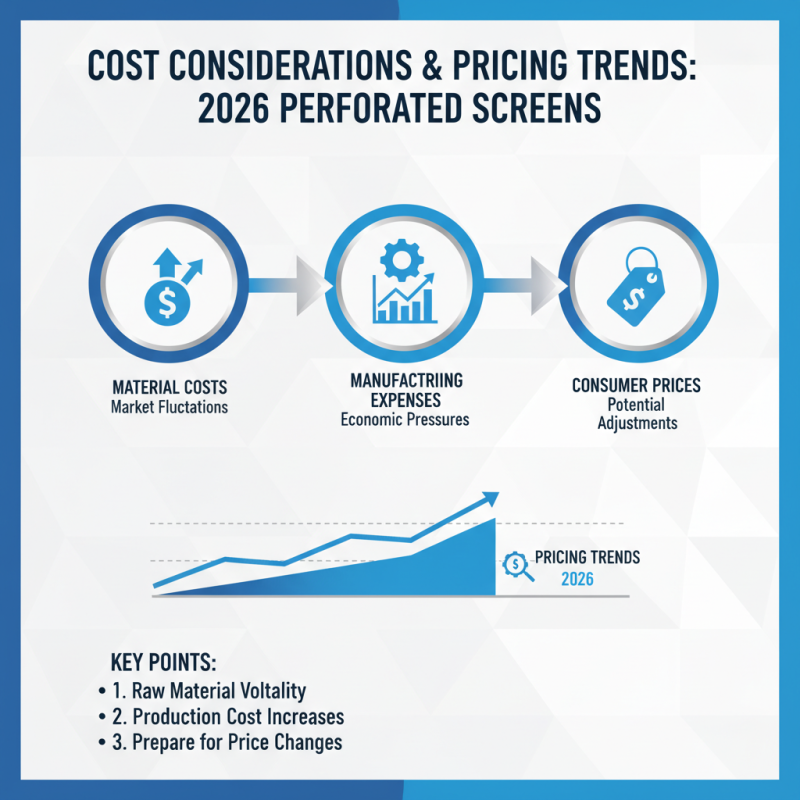
When considering perforated metal screens in 2026, cost factors are crucial. The price of materials may fluctuate based on market trends and demand. Current economic pressures often result in increased manufacturing costs. Consumers must be prepared for potential price adjustments.
Material choice impacts overall cost significantly. Stainless steel, for instance, is pricier than aluminum. However, its durability often justifies the investment. The thickness and size of the perforated panels also lead to variation in pricing. Smaller holes typically lead to higher costs due to more complex fabrication techniques.
Experts suggest exploring bulk purchasing options. This can lead to substantial savings. It’s crucial to balance between cost and quality. In some instances, lower-priced options may not meet long-term durability needs. Investing in reliable sources is paramount. Perforated screens should not just serve a short-term purpose but also provide lasting value.