2026 Top Perforated Sheet Metal Panels Benefits and Uses?
Perforated Sheet Metal Panels are gaining popularity across various industries. In 2026, their benefits become even more pronounced. These panels combine functionality and aesthetic appeal. With numerous hole patterns, they suit a range of applications.
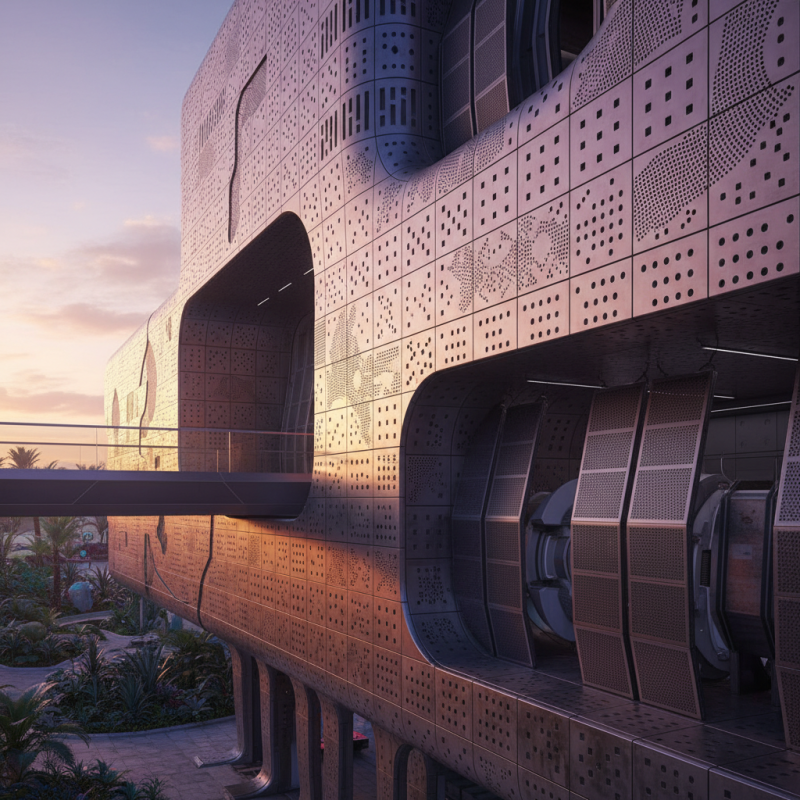
Architects love using perforated sheet metal for modern designs. It provides a unique texture, enhancing visual interest. They are also functional, allowing airflow and light. This versatility is invaluable in construction and design.
In industrial settings, these panels are essential for sound absorption and safety. They help in creating a quieter environment. Yet, not every design is perfect. Some may face challenges in durability or maintenance. Designers must carefully consider these factors when selecting perforated sheet metal panels for their projects.
Advantages of Perforated Sheet Metal Panels in Various Industries
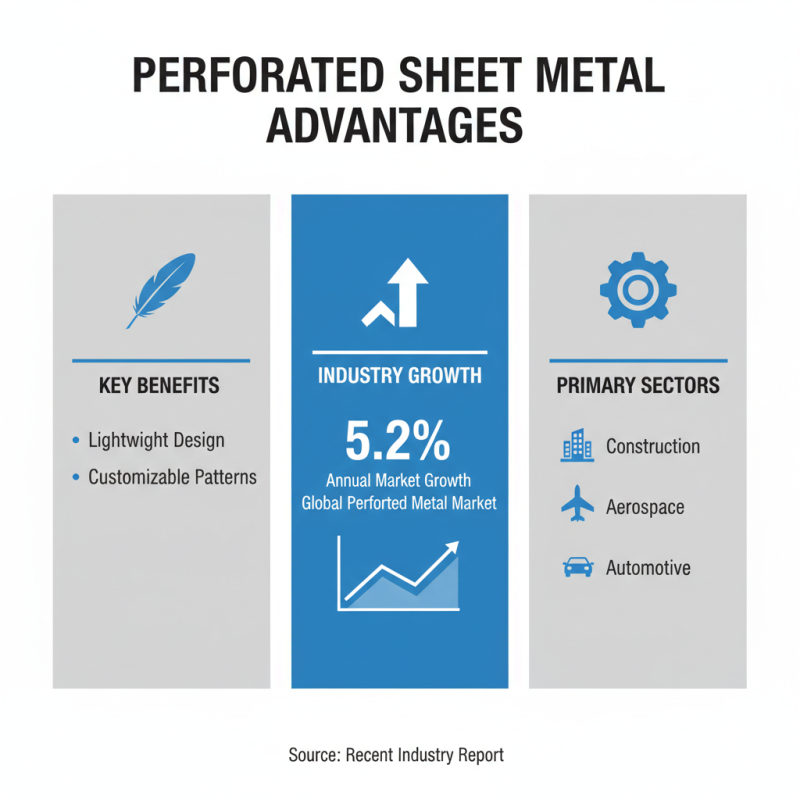
Perforated sheet metal panels offer significant advantages across various industries. Their lightweight design and customizable hole patterns cater to specific applications, making them a popular choice. According to a recent industry report, the global perforated metal market is expected to grow by 5.2% annually. This growth is driven by the rising demand in sectors like construction, aerospace, and automotive.
In construction, these panels serve multiple purposes. They are used for cladding, ventilation, and even aesthetic designs. The perforated structure allows for airflow and reduces wind load on buildings. This aspect helps to improve energy efficiency. A study noted that buildings using perforated metal panels saw a 15% reduction in heating and cooling costs.
Manufacturing industries benefit too. Perforated metal is crucial in filtration systems and noise control applications. Industrial equipment often uses these panels to reduce sound while maintaining functionality. However, there are challenges. Ensuring the right hole size and pattern requires careful planning. Miscalculations can lead to inefficiencies. Companies must balance creativity with practicality.
Common Applications of Perforated Sheet Metal Panels in Construction
Perforated sheet metal panels are widely used in construction. They serve both structural and aesthetic purposes. Architects appreciate their versatility for creating unique designs. These panels come in various sizes and hole patterns. This allows for optimal customization to meet specific project needs.
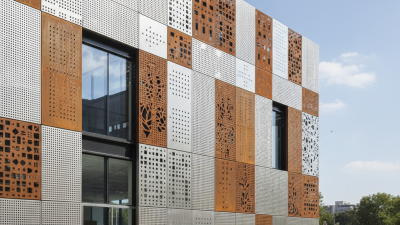
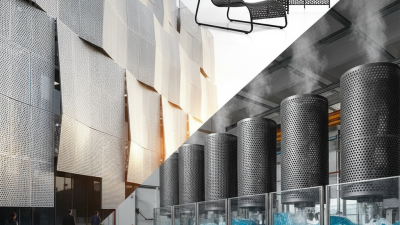
In commercial buildings, perforated panels often serve as facades. They provide sunlight control while enhancing air circulation. This can lead to energy savings, which is appealing to developers. Moreover, they are ideal for interior applications, such as ceilings and partitions. The perforated design can improve acoustics in noisy environments. However, achieving the right balance of sound absorption and visual privacy remains a challenge.
Outdoor projects often utilize perforated sheets for safety railings. They ensure visibility while preventing falls. In urban settings, these panels can help reduce wind pressure on buildings. Yet, their effectiveness depends on careful installation and design. Mistakes in these areas can lead to performance issues. As with any material, understanding the limitations is crucial for successful application.
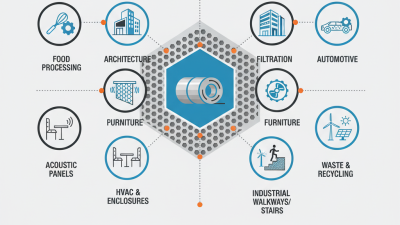
Benefits and Common Applications of Perforated Sheet Metal Panels
Key Material Properties and Specifications of Perforated Panels
Perforated sheet metal panels are versatile materials widely used in various applications. They offer unique benefits, including lightweight structures and aesthetic appeal. These panels are made from metals like aluminum and stainless steel. The holes in the panels can be customized for different purposes, allowing for maximum versatility.
One key property is the stiffness-to-weight ratio. According to a recent industry report, perforated panels can achieve a stiffness-to-weight ratio of 6.5, making them ideal for architectural designs and facades. Their ability to allow airflow while blocking direct sunlight is another advantage. Properly designed perforations enhance energy efficiency in buildings.
However, challenges exist. Corrosion resistance varies significantly among materials. Stainless steel generally performs well but costs more. Ensuring proper installation is crucial to prevent performance issues. Additionally, the manufacturing process can lead to defects that affect overall quality. Balancing aesthetics and functionality is vital, as poor design choices can result in unsatisfactory results.
Environmental Benefits of Using Perforated Sheet Metal Solutions
Perforated sheet metal panels offer significant environmental benefits. They provide excellent ventilation, which can decrease energy costs. This feature helps reduce the need for artificial cooling in buildings. As a result, it lessens carbon emissions. Many industries are now shifting towards these solutions to promote sustainability.
Using perforated sheet metal can also contribute to noise reduction. Their unique design helps absorb sound, making spaces quieter. This can benefit urban areas where noise pollution is a concern. Consider using these panels for both functional and aesthetic purposes.
Tips: Look for local recycling options when disposing of old metal panels. Explore different perforation patterns to suit your design needs. Remember to check the durability of materials you choose; this impacts long-term environmental benefits. Such considerations can make a difference in your project’s sustainability.
Market Trends and Future Projections for Perforated Sheet Metal Products
Perforated sheet metal products are gaining traction in various industries. The market trends indicate a growing demand for these versatile materials. One significant factor is their aesthetic appeal combined with functionality. Architects and designers often choose perforated sheets for their unique look.
These panels serve multiple purposes. They provide ventilation, light filtering, and sound absorption. In places like shopping malls, they enhance ambiance while controlling acoustics. In industrial settings, they facilitate airflow without compromising safety. This efficiency is leading to more innovative designs.
**Tips:** Consider the thickness and hole size when choosing perforated sheets. These factors influence both strength and airflow. Always check for customization options to meet specific needs.
The future is bright for perforated sheet metal products. Advances in technology mean we can expect better manufacturing processes. Sustainable materials are becoming more common. However, the challenge remains in balancing cost and quality. It’s essential to keep refining product offerings to stay competitive.
2026 Top Perforated Sheet Metal Panels Benefits and Uses
| Application |
Benefits |
Market Trends |
Future Projections |
| Architecture |
Aesthetic appeal, sound control |
Increasing demand in green building |
Estimated growth of 5% CAGR |
| Industrial |
Durability, ventilation |
Technological advancements in manufacturing |
Projected increase in usage by 7% by 2026 |
| Furniture Design |
Lightweight, customizable |
Trend towards bespoke furniture |
Market to expand by 4% in next few years |
| Automotive |
Weight reduction, improved efficiency |
Focus on lightweight materials |
Expected growth of 6% annually |